Why Kids Quit in the Car: What to Say on the Ride Home
The Quick Answer
After a game or practice, say less and connect more. Skip the critique, tell your child you loved watching them, and ask open questions like "What was your favorite part?" Praise effort over results. Kids who feel judged on the ride home start linking their activity with stress, while kids who feel supported stay motivated and keep coming back.
The seatbelt clicks. The doors close. And for a few seconds, it's quiet.
Then it starts.
"Why weren't you paying attention out there?" "You didn't even try on that last drill." "If you're not going to take this seriously, I'm not paying for it anymore."
Your child stares out the window. They don't say much. And you figure the message got through.
It did. Just not the one you meant to send.
I've been teaching kids for a long time, and I can tell you this: a lot of kids don't quit on the mat, the field, or the court. They quit in the back seat. One car ride at a time.
Why the Ride Home Matters So Much
When class ends, your child's body stops moving, but their mind doesn't. They're still replaying the kick they finally landed, the drill they messed up, the friend who got there first. Their emotions are running high.
And the first voice they hear after all that is yours.
That's why those ten minutes carry so much weight. What you say in the car doesn't just grade today's class. It shapes how your child feels about the next one. And over time, it shapes the voice they hear in their own head.
When a child feels judged or threatened, stress takes over. Kids in that state tend to remember the tension, not the lesson. They may work harder for a week out of fear. But fear runs out. What's left is an activity that feels like a test they keep failing.
The Hidden Equation in Our Praise
In my book, Built to Lead, I talk about mental equations. These are the formulas kids absorb about how the world works, mostly from the people they love.
Here's a common one. A child has an easy day, nails everything, and hears, "You're so talented! You didn't even have to try!" Sounds harmless. But the equation being programmed is: easy result plus no effort equals I'm good and people are proud of me.
Now flip it. On the hard days, the equation says the opposite. Struggle means I'm not good. And my parents aren't proud.
So I do something different with my own children. When they come to me with a great grade, the first thing I ask is: "Did you have to work really hard for it?" When they tell me they worked on something every day for two weeks and earned a B, that's when we celebrate. That's when we go out for ice cream.
I'm not praising the result. I'm praising the effort. Because effort is the thing they can control, and effort is what carries them through the hard seasons.
Your car ride is the perfect place to run the better equation.
What Should I Say to My Child After a Game or Practice?
You don't need a script. You need a few good habits. Try these on your next ride home.
- Start with love, not a review. Six simple words go a long way: "I loved watching you today." That's it. No "but."
- Let them talk first. Ask, "How did that feel?" and then really listen. You'll learn more in two minutes of silence than in ten minutes of lecture.
- Ask open questions. "What was your favorite part?" "Did you learn anything new?" "What would you like to try next time?"
- Praise the effort you saw. Be specific. "You kept going on that kicking drill even when you were tired. That's discipline."
- Validate the tough stuff. If they're upset, try: "It's okay to be disappointed. It means you care."
- Save coaching for later, and only if they ask. If there's something to work on, bring it up the next day, calmly, as a team.
You can also build a little ritual. A favorite playlist. A quick game of "high, low, funny" where everyone shares the best, hardest, and funniest part of their day. Small routines like these make the ride home something kids look forward to.
Connection Is the Real Motivator
At ZENTAI, we talk about the brain chemicals behind feeling good, often called D.O.S.E.: dopamine, oxytocin, serotonin, and endorphins. You don't need to be a scientist to use them in the car.
- Dopamine shows up when kids notice progress. "You tried that new move today. That was awesome to see."
- Oxytocin grows with connection. A hug, a high five, a hand on the shoulder.
- Serotonin comes with feeling valued. "I can tell you're really taking this seriously."
- Endorphins come with laughter. Laugh about the funny moment from class together.
None of this is soft. It's strategic. Kids who feel safe and supported tend to stay engaged longer and bounce back from setbacks faster, because their motivation comes from inside, not from pressure.
How ZENTAI Supports You on the Ride Home
At ZENTAI Martial Arts, we are a leadership development academy that uses martial arts as the vehicle. Our classes follow the ZENTAI SKILLZ child development curriculum, with age-specific programs for kids 3 and up, teens, and adults. Our instructors coach both character and technique, so kids grow as people and as martial artists.
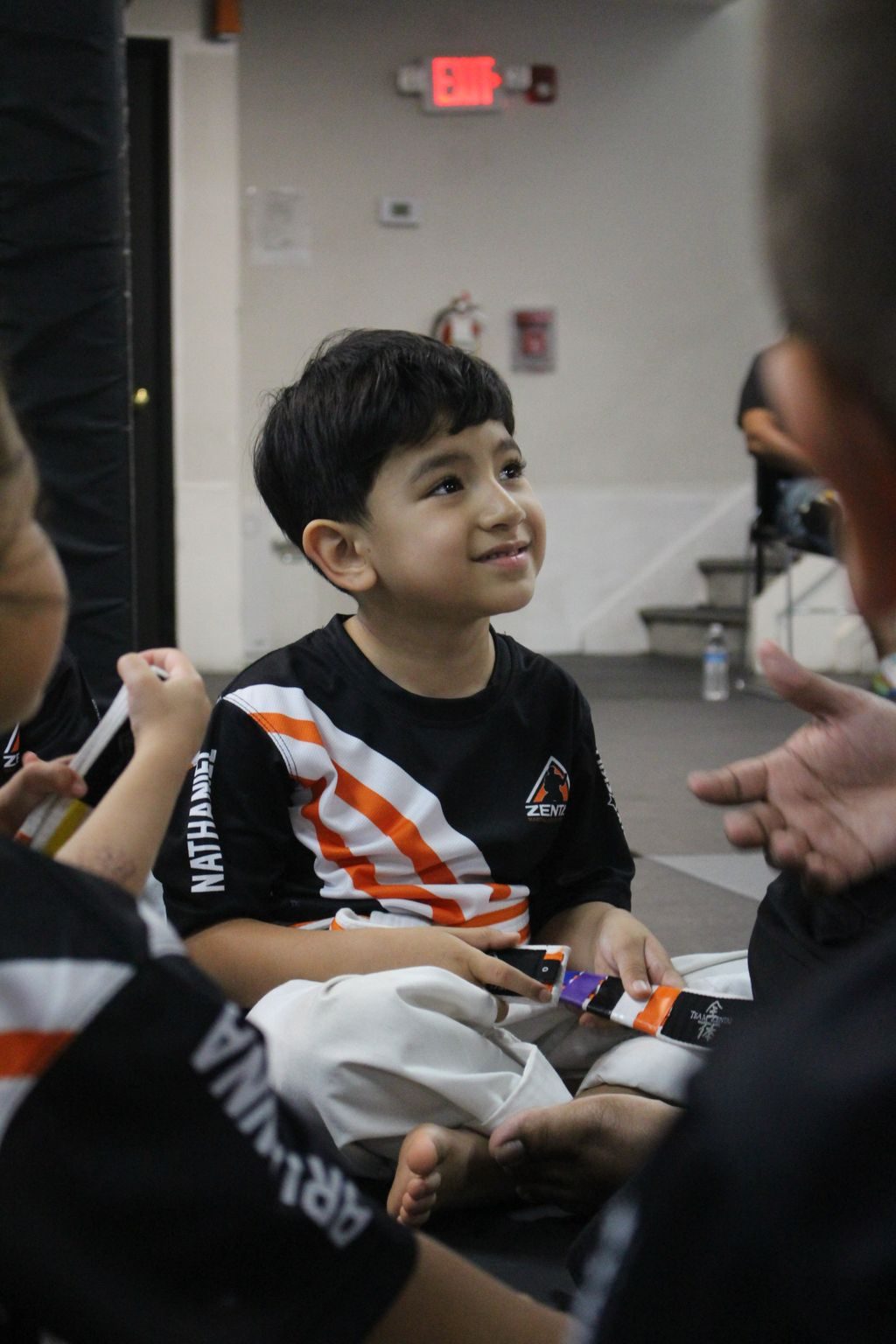
In every class of the ZENTAI SKILLZ program, we celebrate effort. Kids earn stripes as they attend class and successfully complete technical requirements, not for being the best in the room, and those stripes lead toward their next belt. That gives you something real to talk about in the car: "What are you working on for your next stripe?"
And through Parent SKILLZ, we share practical tools on connection, patience, and nurturing, so the lessons from the mat carry into the car and the kitchen table. Because this is more than a martial arts school. It's a village. At our 4 New Jersey locations in Belleville, Clifton, Hackensack, and North Arlington, and our location in the Dominican Republic, we want every family to feel part of it.
Remember: your voice becomes your child's inner voice. Make the car a place where that voice says, "I'm proud of you for trying."
Keep Learning With ZENTAI
- The Drive to Practice Matters as Much as the Ride Home
- Don't Quit on a Bad Day: What to Do When Your Child Wants to Quit Martial Arts
- Why Your Kid Can't Put Down the Screen (and What Dopamine Has to Do With It)
- Using Positive Language With Kids: What to Say Instead
Want More? Read Built to Lead
In my book, Built to Lead: Develop Character, Master Influence, and Find Your Purpose, I explain how mental equations form and how parents can rewrite them by praising effort. It's written for parents to read with their preteens and teens.
Get Built to Lead on Amazon. All net proceeds support Heart of ZENTAI, our nonprofit bringing free martial arts and leadership training to children in the Dominican Republic.
Train With Our ZENTAI Family
We offer classes for kids ages 3 and up, teens, and adults, in Belleville, Clifton, Hackensack, and North Arlington, NJ.
Book your child's first class at zentai.us or call (201) 431-5425. Then enjoy the ride home.
We Rise By Lifting Others.
Frequently Asked Questions
Find a ZENTAI Location Near You
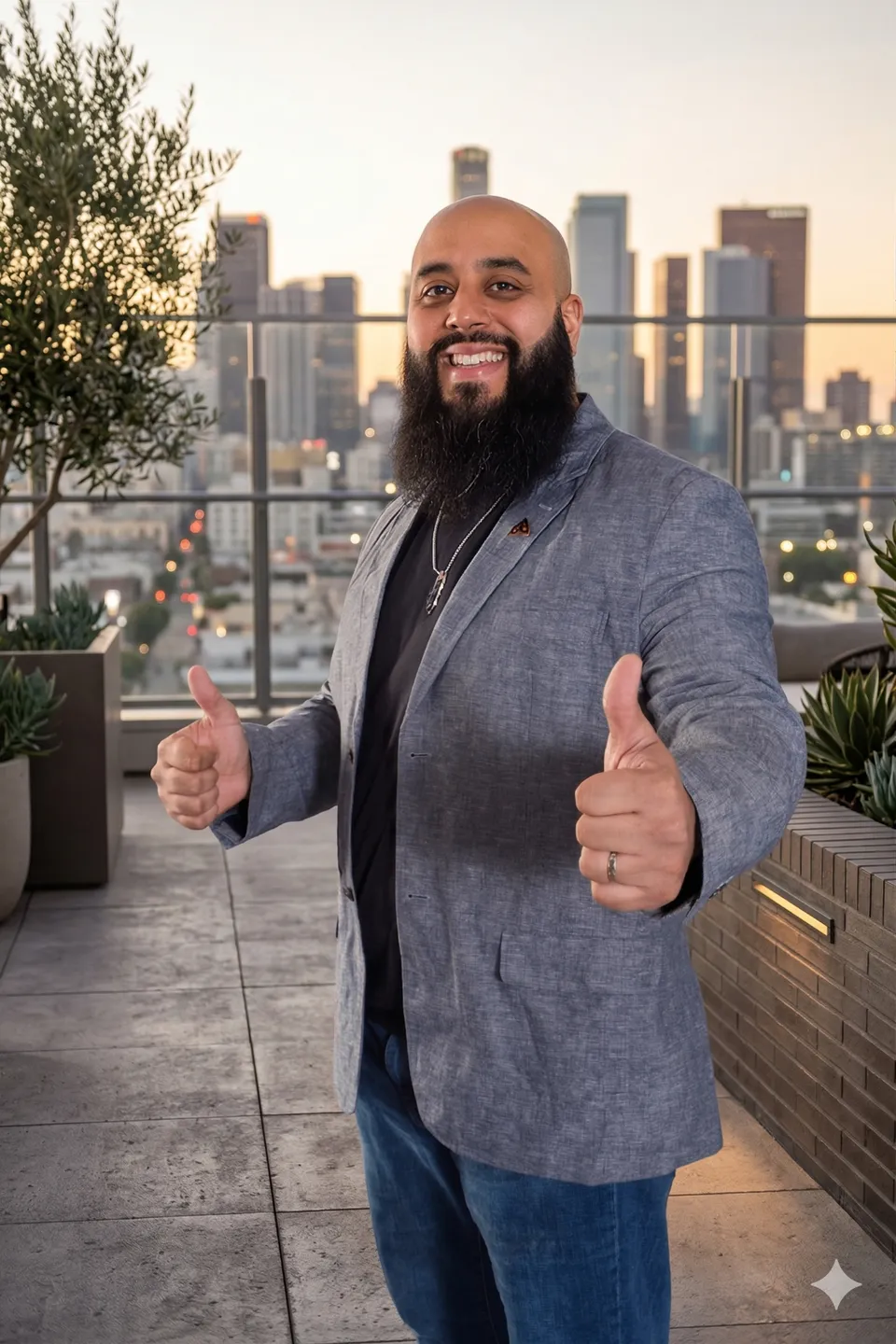
About the Author
Grandmaster Allen DePeña is the founder of ZENTAI Martial Arts, a leadership development academy with 4 New Jersey locations (Belleville, Clifton, Hackensack, and North Arlington) and 1 in the Dominican Republic, which he built alongside his wife and co-founder, Naomy. He grew up in the Bronx, trained under Grandmaster Tony Morales, and is the author of Built to Lead: Develop Character, Master Influence, and Find Your Purpose. ZENTAI was named #1 Child Development Center of the Year by Skillz Worldwide and holds a 5.0 Google rating from more than 500 reviews.
More about Grandmaster Allen →