Adaptability: How to Motivate a Child Who Just Won't Do It
The Quick Answer
To motivate a child who refuses, change your approach instead of repeating the same demand louder. Offer two acceptable choices, build excitement around the task, look for a fair compromise, and use playful rewards or friendly challenges when needed. Flexible parenting, also called adaptability, means reading your child's mood that day and adjusting the tool you use, while keeping your standards the same.
Picture this.
It's 7:40 on a school morning. Shoes are on. Bags are packed. You're finally at the door.
And your child sits down on the floor.
You say it once. You say it again. By the third time, your voice has gone up, your patience has gone down, and your child has somehow moved even slower.
Sound familiar?
Here's the problem. You're using the same tool over and over, expecting a different result. And when a tool isn't working, the answer is almost never "use it harder." The answer is "pick up a different tool."
In my book, Built to Lead, I share a line from John Maxwell that I love: the pessimist complains about the wind, the optimist expects it to change, and the leader adjusts the sails. Parenting is exactly like that. You can't control the wind. Your child's mood, their energy, the fact that they didn't sleep well. But you can always adjust the sails.
That's adaptability. And it's one of the eight Parent SKILLZ.
What Is Flexible Parenting, Really?
A lot of parents hear "adaptable" and think it means "soft." Giving in. Letting the rules slide.
That's not it at all.
Flexible parenting means your standard stays the same, but your approach changes. Teeth still get brushed. Homework still gets done. We still leave the house. What changes is how you get there.
Your child is going to have great days, terrible days, and a hundred days in between. A strategy that works beautifully on a sunny Saturday might fall apart on a tired Tuesday. Adaptable parents notice that and shift, instead of digging in and turning every task into a battle.
Intrinsic vs. Extrinsic Motivation: What's the Difference?
In the ZENTAI SKILLZ child development curriculum, our instructors use two kinds of motivation, and you can use both at home.
- Intrinsic motivation comes from inside your child. They do the thing because they want to, because they feel ownership, pride, or excitement about it.
- Extrinsic motivation comes from outside. A reward, a challenge, a fun consequence. It gets things moving when inner motivation just isn't there yet.
Intrinsic motivation is the long-term goal. We want kids who brush their teeth because they care about their health, not because you're standing over them. But extrinsic motivation is a perfectly good bridge to get there. The key is knowing which one your child needs today.
5 Ways to Motivate a Child Who Refuses
- Offer two good choices. Kids who feel powerless push back. Give them a little control inside your boundaries. "Do you want the blue toothbrush or the green one?" "Chicken or fish tonight?" Say your son fights you on brushing every night. Take him to the store and let him pick his own toothbrush. Now it's his, and he has a reason to use it.
- Get them involved. A picky eater who helps choose the groceries and stir the pot has a stake in dinner. "You picked this out. Let's see how it tastes." Ownership turns a battle into a project.
- Build the excitement. Tell a room full of seven-year-olds to do ten push-ups and you'll hear groans. Tell them that ten push-ups is what the strongest ninjas in class can do, and watch them race to prove it. The task didn't change. The energy did.
- Find a fair compromise. Your child wants a treat right after school, and you want them to wait for dinner. Instead of a flat no that sparks a meltdown, try: "You can have two gummy bears now and the rest after dinner." Your rule holds. Your child feels heard.
- Use a friendly challenge. Kids love seeing a grown-up work hard. "If you beat me to the car, I'll do ten jumping jacks." Chances are they'll sprint, and then count every single jumping jack out loud. That's extrinsic motivation, and it's also a lot of fun.
Quick Check Before You Push Harder
Ask yourself: Is my child tired, hungry, overwhelmed, or just bored?
Then pick the tool: Tired kids need compromise. Bored kids need excitement. Kids who feel bossed around need choices.
Same standard. Different sail.
Isn't That Just Bribing My Child?
It's a fair question. Here's how I think about it.
A bribe is when you pay a child to stop a behavior that's already out of control. "Stop screaming and I'll buy you a toy." That teaches them that screaming gets toys.
Motivation is different. It's set up before the task, it's small, and it's tied to effort. Over time, you slowly fade the outside reward and point to the inside one: "You got ready so fast today. How does it feel to be that quick?"
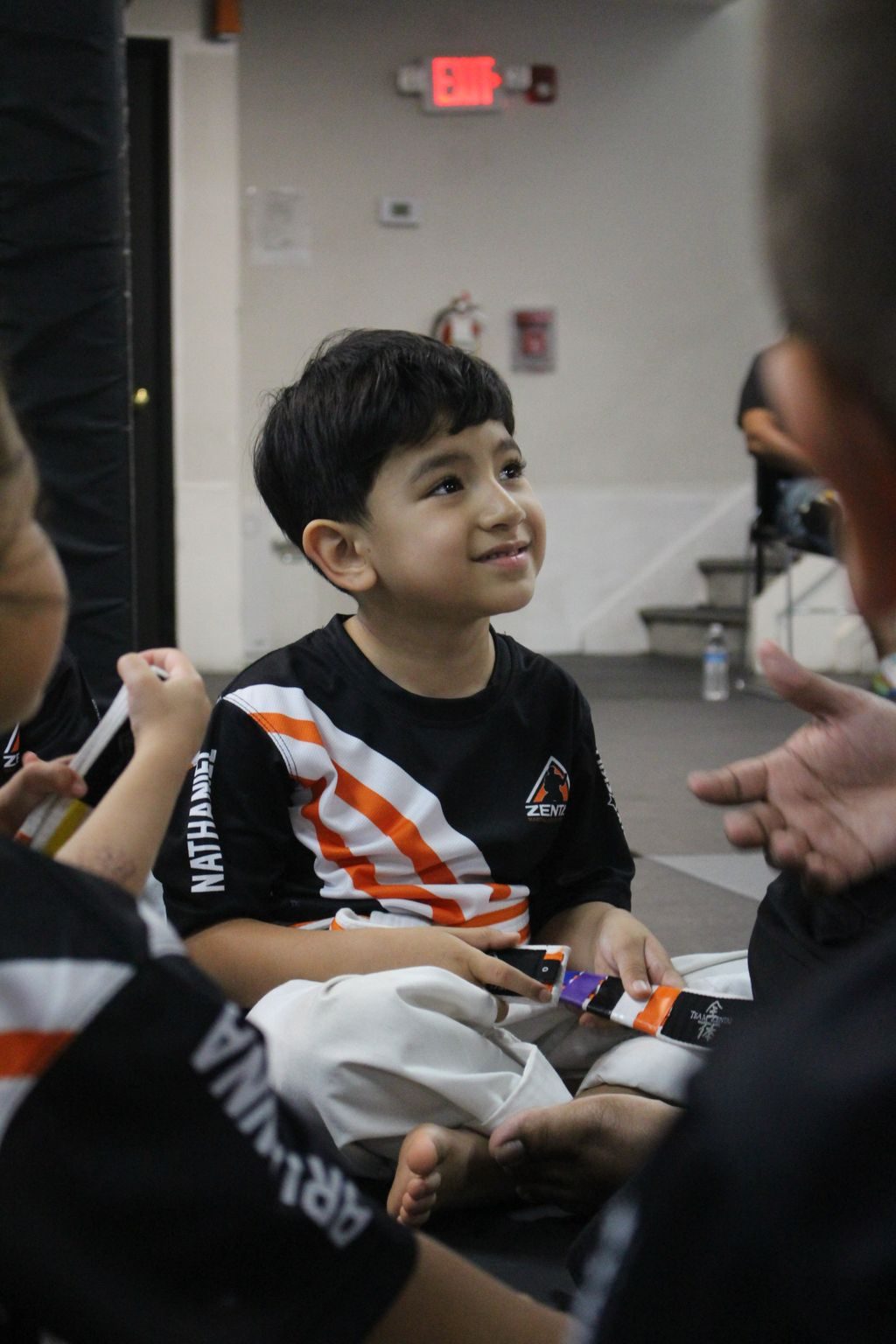
That's the bridge from extrinsic to intrinsic. And it's how we coach at ZENTAI. Kids earn skill stripes for their belts, which is an outside reward. But the thing we celebrate out loud is the work they put in to earn it.
How ZENTAI Helps Kids and Parents Adapt
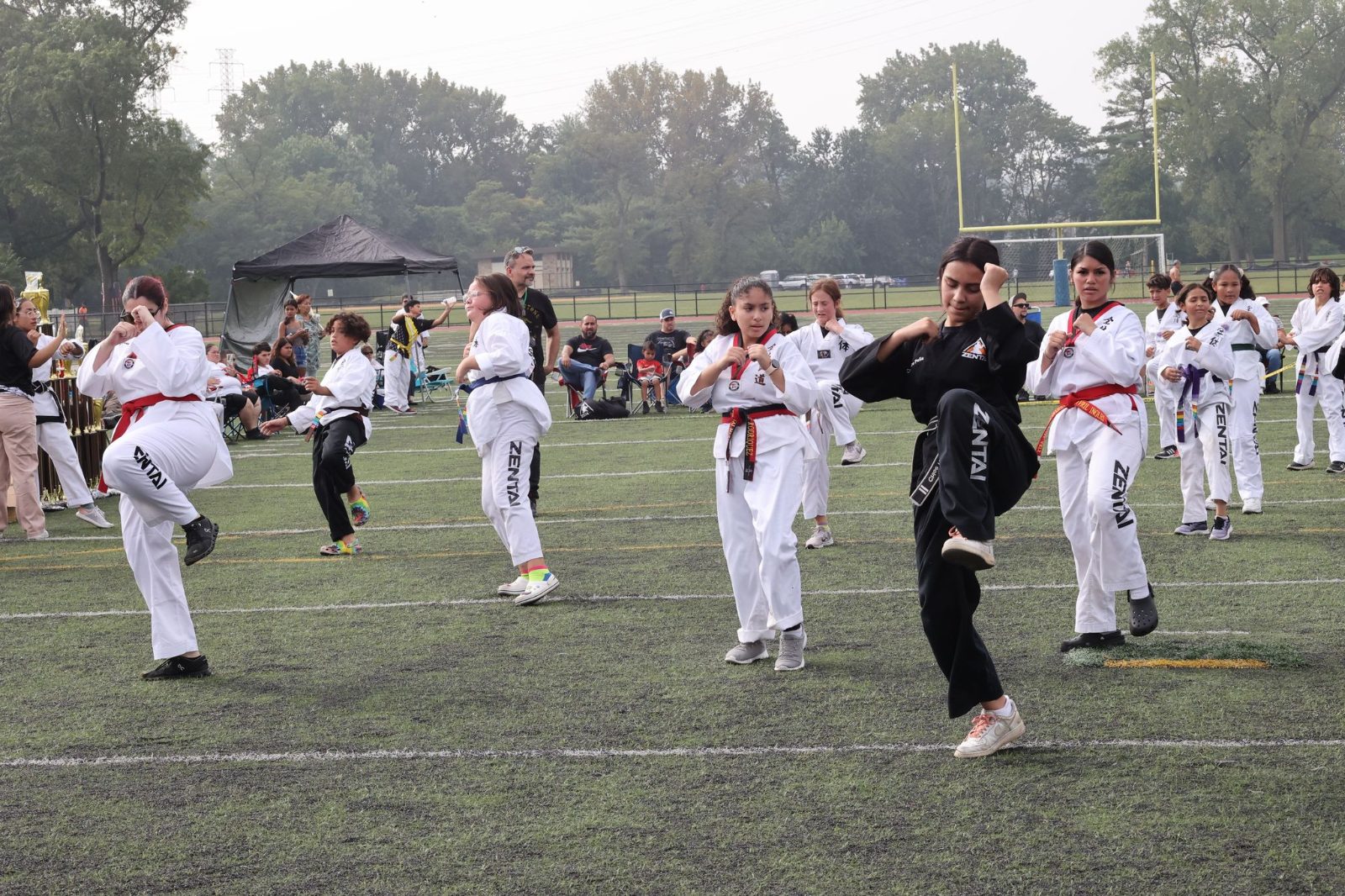
ZENTAI Martial Arts is a leadership development academy that uses martial arts as the vehicle. At our 4 New Jersey locations in Belleville, Clifton, Hackensack, and North Arlington, and our location in the Dominican Republic, our instructors trained in child development use these same Teaching SKILLZ techniques every class: choices, intrinsic and extrinsic motivation, healthy competition, and redirection.
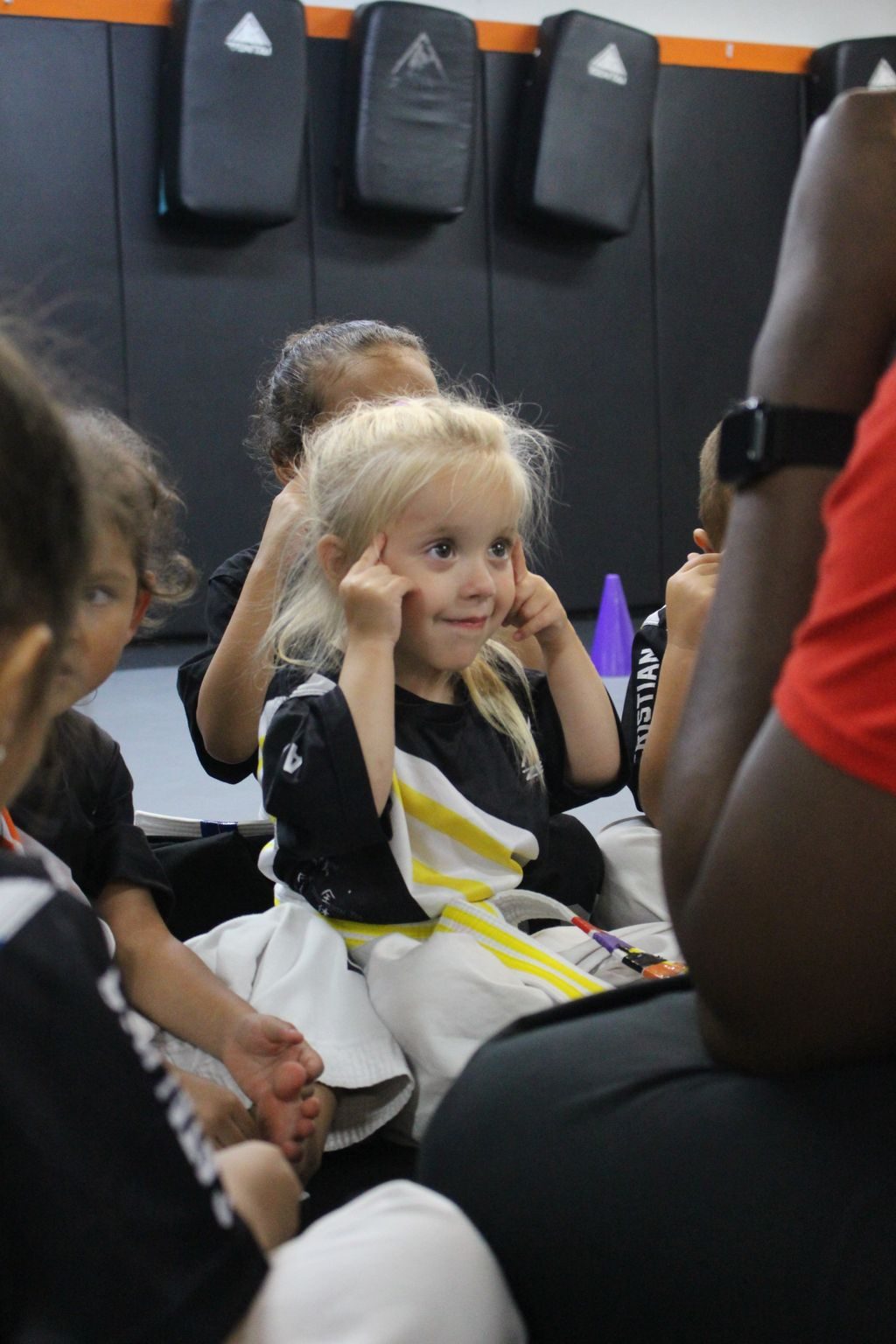
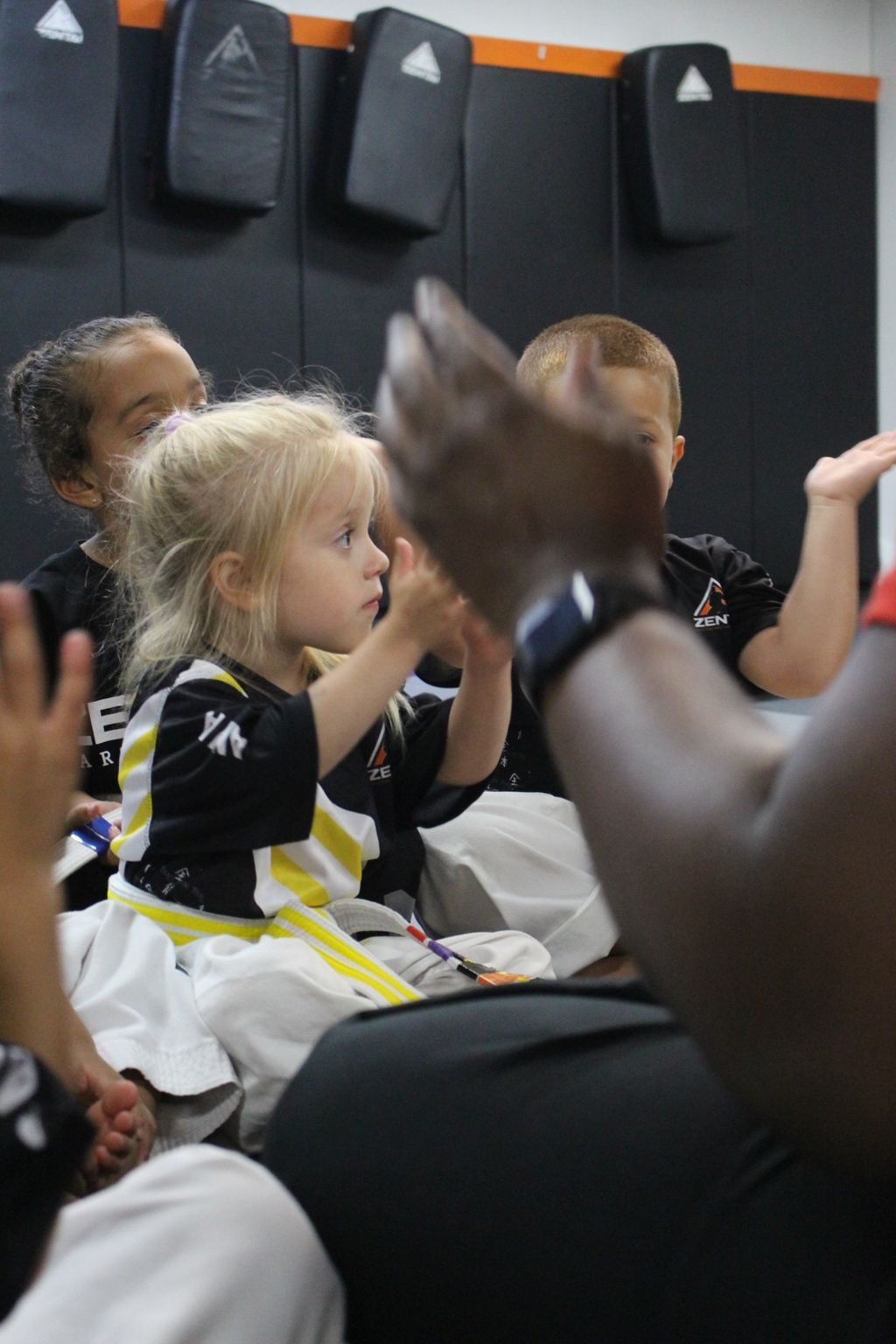
They coach both character and technique, so kids grow as people and as martial artists. And because every class is grouped by age, from Early Skillz (3 to 4) through Core Skillz (7 to 9) and Extreme Skillz (10 to 14), the motivation matches the child in front of them.
When your child sees an instructor adjust on the fly and still hold the standard, they learn something powerful. Plans change. Good leaders adapt. Leadership is solving problems, and adaptability is how you solve them without losing your cool.
That's the kind of consistency we want between the mat and your home. This is more than a martial arts school. It's a village, and our ZENTAI family is here to help you build the same habits in your house. Start with our guide to all eight Parent SKILLZ if you want the full picture.
Keep Learning With ZENTAI
- What Are Parent SKILLZ? The 8 Skills That Make Home the Real Dojo
- Edutainment: How to Make Chores, Bedtime, and Homework Fun
- Consistency: The Parenting Skill That Makes Kids Feel Safe
- Core Skillz
Want More? Read Built to Lead
In my book, Built to Lead: Develop Character, Master Influence, and Find Your Purpose, I talk about responsibility, adjusting the sails, and raising kids who own their choices. It's written for parents to read with their preteens and teens.
Get Built to Lead on Amazon. All net proceeds support Heart of ZENTAI, our nonprofit bringing free martial arts and leadership training to children in the Dominican Republic.
Come Train With Us
We work with kids ages 3 and up, teens, and adults, so you can train right alongside your child. Visit us in Belleville, Clifton, Hackensack, or North Arlington, NJ.
Book your child's first class at zentai.us or call (201) 431-5425. We'll meet your child exactly where they are.
We Rise By Lifting Others.
Frequently Asked Questions
Related Programs
Find a ZENTAI Location Near You

About the Author
Grandmaster Allen DePeña is the founder of ZENTAI Martial Arts, a leadership development academy with 4 New Jersey locations (Belleville, Clifton, Hackensack, and North Arlington) and 1 in the Dominican Republic, which he built alongside his wife and co-founder, Naomy. He grew up in the Bronx, trained under Grandmaster Tony Morales, and is the author of Built to Lead: Develop Character, Master Influence, and Find Your Purpose. ZENTAI was named #1 Child Development Center of the Year by Skillz Worldwide and holds a 5.0 Google rating from more than 500 reviews.
More about Grandmaster Allen →