Attunement: How to Read Your Child's Moods (and Respond Instead of React)
The Quick Answer
Reading your child's moods starts with noticing patterns: when they are usually happy, tired, anxious, or grumpy, and what their age and stage of development make realistic. Attuned parents time their requests for better moments, adjust expectations to their child's development, keep instructions simple, and practice response flexibility, deciding in the moment what needs a firm reaction and what can be handled calmly.
Imagine a grown man walks up to you, shoves you in the chest, and says, "Let's fight."
Your heart jumps. Your body gets ready. You're angry.
Now imagine the exact same shove comes from a two-year-old. He waddles up, pushes you with both hands, puffs out his chest, and tells you he wants to fight.
What do you do?
You laugh. You probably pick him up.
I use this example in my book, Built to Lead, because it shows something every parent needs to understand. The event was the same. The push was the same. What changed was the meaning you gave it. And the meaning decided your emotion.
Here's why that matters for parenting. When your child does something frustrating, your reaction isn't really about what they did. It's about what you believe it means. "He's being disrespectful." "She's doing this on purpose." "They never listen."
Attunement is learning to read what's actually going on with your child, so the meaning you assign is closer to the truth. It's one of the eight Parent SKILLZ, and it changes everything.
What Is Attuned Parenting?
Have you ever known exactly what your child was going to say before they said it? Or seen the meltdown coming five minutes before it arrived?
That's attunement. It's being tuned in to your child's moods, patterns, stage of development, and needs. Not guessing. Noticing.
Attuned parents still set limits. They still correct behavior. But they do it with better timing and better information, and that makes them far more effective, with far less yelling.
How Do I Read My Child's Moods?
Start by becoming a student of your own child. For the next week, pay attention to these patterns:
- Time of day. Some kids wake up sunny and fall apart after nap time. Others need an hour before they're human.
- Transitions. Leaving the house, ending screen time, coming home from school. Many struggles cluster here.
- Body signals. Hunger, tiredness, and too much noise show up as behavior long before a child can put them into words.
- Worries. A child who drags their feet every school morning might be anxious, not defiant.
Once you see the pattern, you can work with it. If your child is grumpy after a nap, that's not the moment to ask them to clean their room. Wait twenty minutes. You'll get a better answer, and a lot less attitude.
If mornings are full of worry, try adding a few minutes of active play before school. A quick dance, a race down the hallway, a pillow toss. Moving their body helps release feel-good chemicals like endorphins, and a child who has run off some energy often walks out the door calmer.
Why Does My Child Act This Way? Look at Their Stage
A lot of frustration comes from expecting a child to act older than they are. Attunement means knowing what's normal for their age.
- Ages 3 to 4. Ask a preschooler to sit on the floor and they'll roll, wiggle, and flop backward. That's not always a focus problem. Their core muscles are still developing, and sitting still for long is physically hard.
- Ages 5 to 9. Kids this age are growing fast in attention and self-control, but they still learn best through movement and play.
- Ages 10 to 14. Preteens can suddenly seem lazy. The trash sits by the door and they can't find the energy to move. Their bodies and brains are going through huge changes, and many need more sleep than you'd expect. Tired is not the same as lazy.
Language is part of this too. A three-year-old has only had three years to learn to talk. When you call one child's name across a room of preschoolers, half of them may come running, because they caught "come here" and missed the name. Keep instructions short, get close, and say their name first.
Response Flexibility: The Most Important Attunement Skill
Response flexibility is the pause between what happens and what you do. It's the moment where you decide: Does this need to be handled right now? Does this need a firm voice? Or is this the toddler shove?
Say your son jumps on you while you're resting on the couch and accidentally catches you in the face. It hurts. Your first instinct is to yell. But he was playing. He didn't mean to hurt you.
An attuned response sounds like this: "Ouch. That really hurt. I know you were playing. Let's talk about where it's safe to jump." That's a lesson he'll remember. A scream is just a scare he'll forget.
- Pause. Take one breath before you speak.
- Ask what it means. On purpose, or an accident? Defiance, or tired? Testing a limit, or asking for help?
- Decide what's urgent. Safety comes now. Almost everything else can wait until everyone is calm.
- Teach, don't punish. Explain what happened and what to do next time.
In Built to Lead, I share one of my own examples of this. When your child talks back, you can believe "talking back means disrespect," and you'll end up in a power struggle. Or you can believe "testing boundaries is normal development," and respond with clarity and calm leadership. Same event. Different belief. Different outcome.
How ZENTAI Helps You Tune In to Your Child
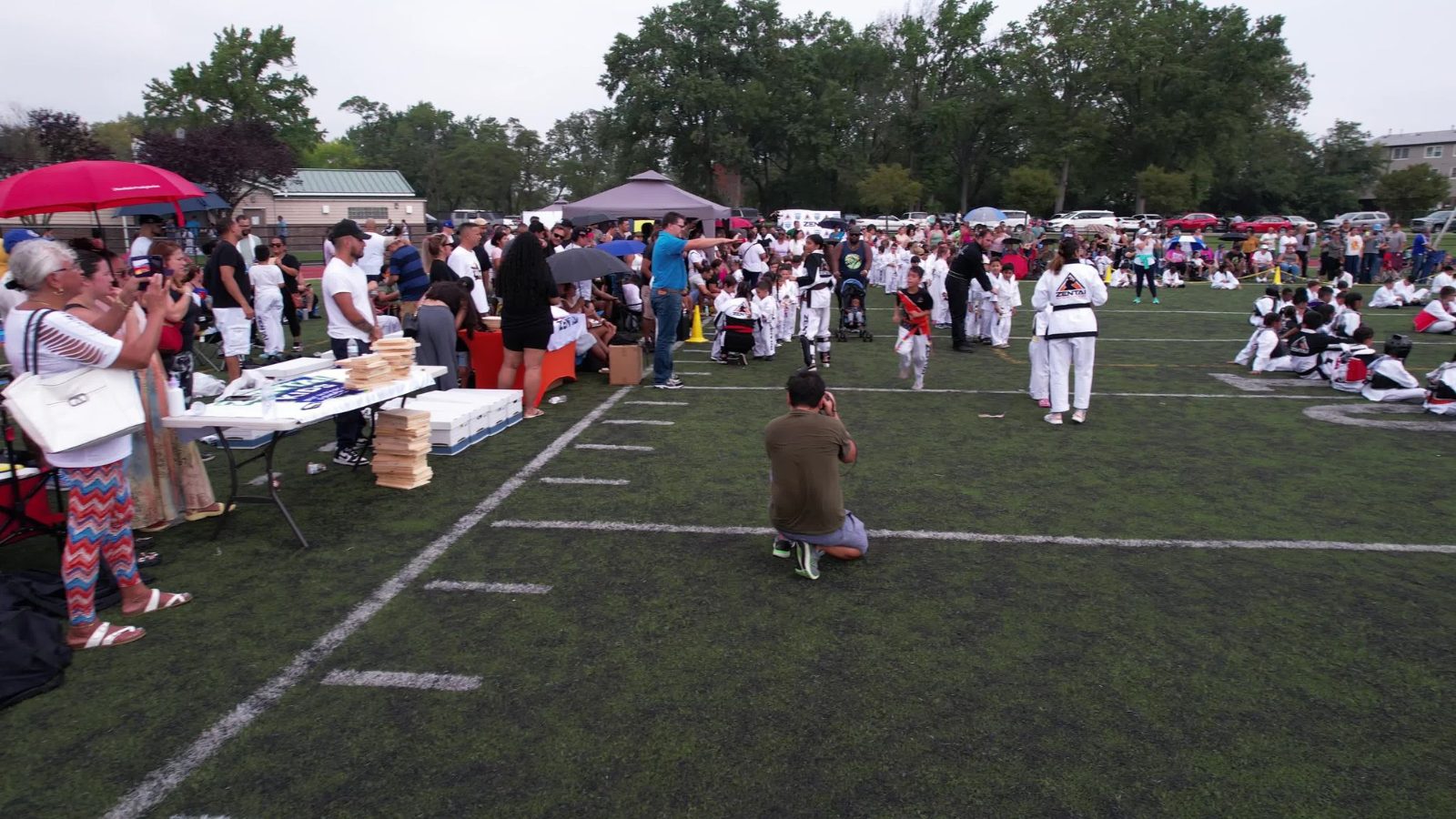
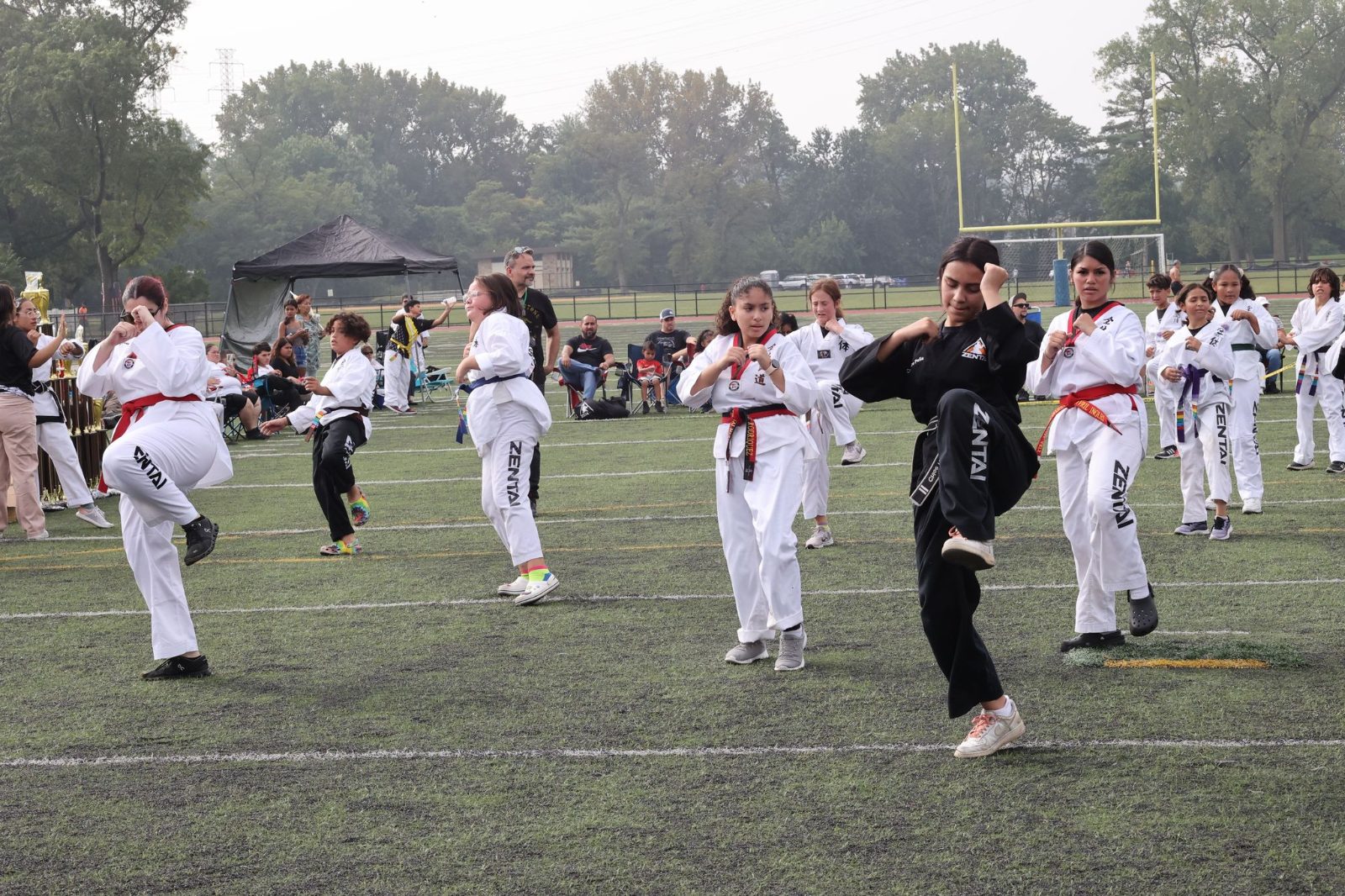
ZENTAI Martial Arts is a leadership development academy that uses martial arts as the vehicle. At our 4 New Jersey locations in Belleville, Clifton, Hackensack, and North Arlington, and our location in the Dominican Republic, every kids class follows the ZENTAI SKILLZ child development curriculum, which is designed around what children can realistically do at each age.
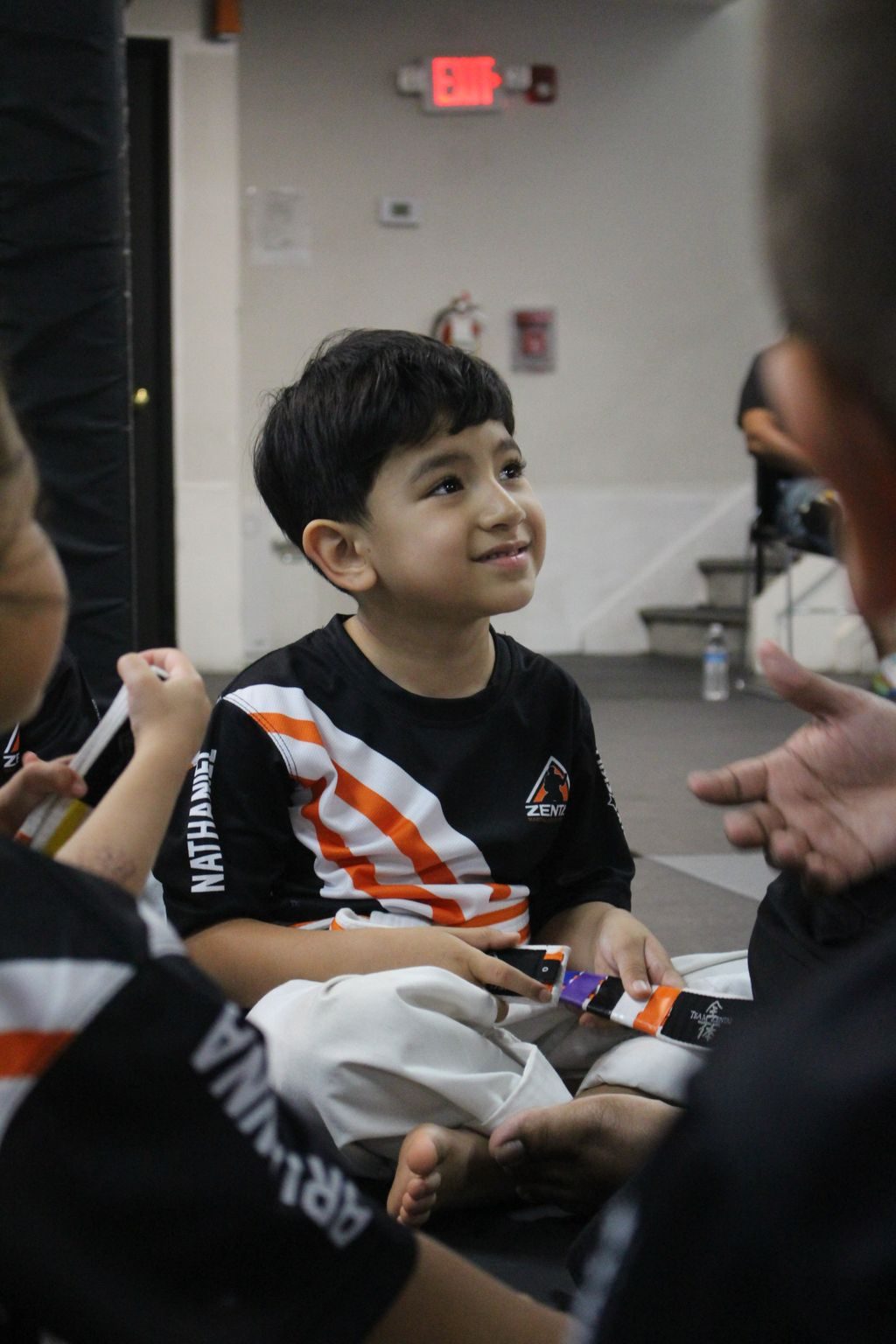
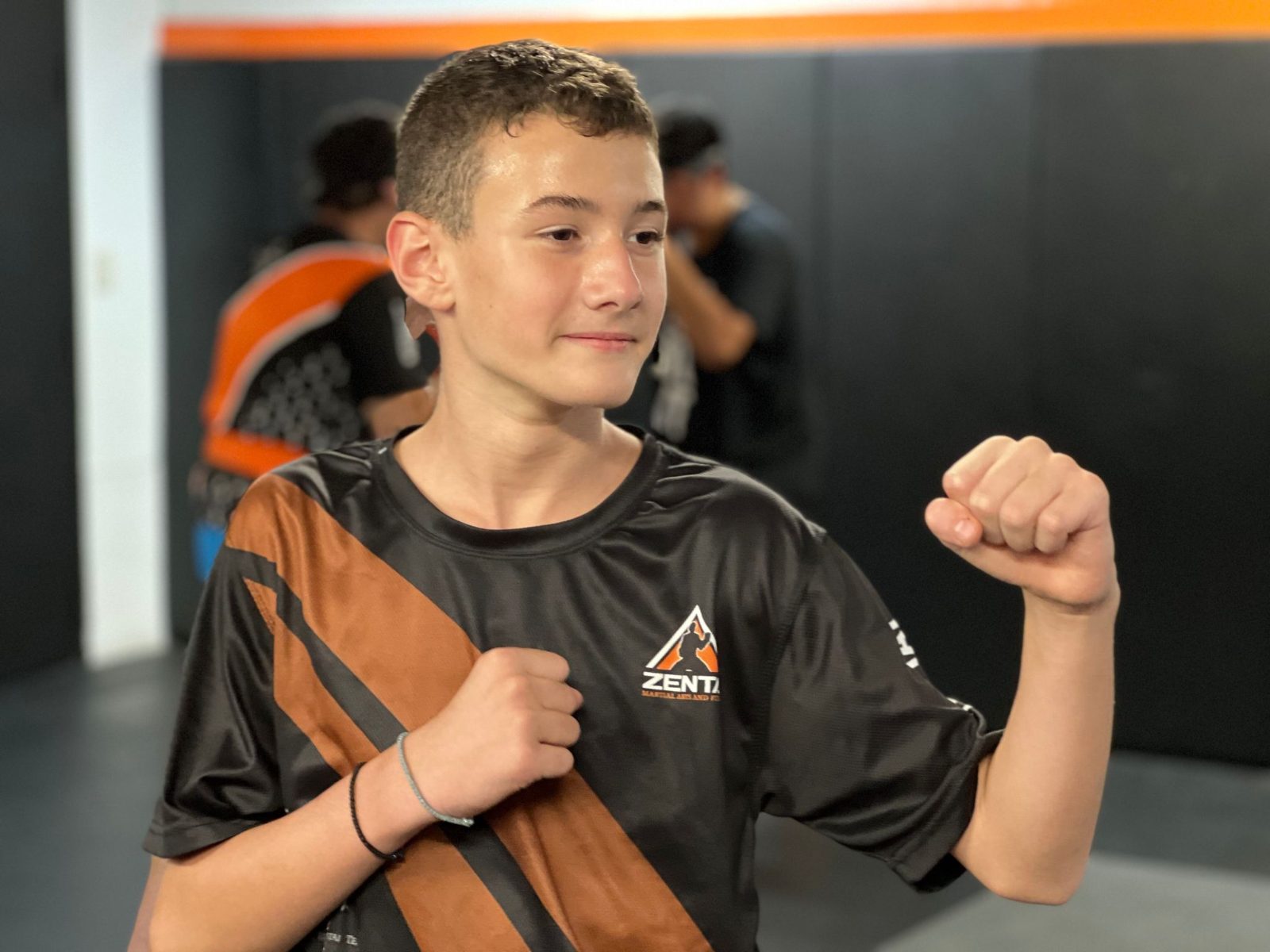
That means our instructors, who are trained in child development, don't expect a four-year-old in Early Skillz to sit like a teenager. They coach both character and technique, so kids grow as people and as martial artists, and they adjust to each child's stage and mood, just like we're asking you to do at home.
When you watch from the side of the mat, you'll see attunement in action. Getting down to eye level. Saying a name before an instruction. Knowing when to push and when to wait. This is more than a martial arts school. It's a village, and our ZENTAI family shares these tools with parents so everyone is speaking the same language. For all eight skills, see our Parent SKILLZ guide.
Keep Learning With ZENTAI
- What Are Parent SKILLZ? The 8 Skills That Make Home the Real Dojo
- Mastering Parental Attunement: When Your Child Complains About Everything
- Patience: How to Be a More Patient Parent (Even on Hard Days)
- Early Skillz
Want More? Read Built to Lead
In my book, Built to Lead: Develop Character, Master Influence, and Find Your Purpose, I break down how events, beliefs, and meaning shape our emotions, and how to lead yourself before you lead anyone else. It's written for parents to read with their preteens and teens.
Get Built to Lead on Amazon. All net proceeds support Heart of ZENTAI, our nonprofit bringing free martial arts and leadership training to children in the Dominican Republic.
See Attunement in Action
We work with kids ages 3 and up, teens, and adults. Visit us in Belleville, Clifton, Hackensack, or North Arlington, NJ.
Book your child's first class at zentai.us or call (201) 431-5425. Adult classes are available too.
We Rise By Lifting Others.
Frequently Asked Questions
Related Programs
Find a ZENTAI Location Near You

About the Author
Grandmaster Allen DePeña is the founder of ZENTAI Martial Arts, a leadership development academy with 4 New Jersey locations (Belleville, Clifton, Hackensack, and North Arlington) and 1 in the Dominican Republic, which he built alongside his wife and co-founder, Naomy. He grew up in the Bronx, trained under Grandmaster Tony Morales, and is the author of Built to Lead: Develop Character, Master Influence, and Find Your Purpose. ZENTAI was named #1 Child Development Center of the Year by Skillz Worldwide and holds a 5.0 Google rating from more than 500 reviews.
More about Grandmaster Allen →