Using Positive Language With Kids: What to Say Instead
The Quick Answer
Positive language with kids means describing what you want to see, naming feelings, and correcting behavior without labeling the child. Instead of "You're being naughty," try "You're having a hard time. Let's calm down together, then try again." Offer choices instead of threats, say "I believe in you" when they're frustrated, and catch them being kind. The words you use become your child's inner voice.
I was on a flight from California to New York when a good friend texted me. He wanted to talk something through. I wrote back, "I'm on a plane right now, so I don't have service. I'll call you back after I land."
A simple commitment.
But when I got home to New Jersey, I walked into a crisis. It was negative fifteen degrees, and the pipes in our house had frozen. No water. The heat couldn't keep up. I went straight into problem-solving mode, calling plumbers and making sure my family was okay.
And I completely forgot to call my friend back.
About a week later, we finally connected, and he told me: "Allen, you're one of my really good friends, so I feel like I can trust you enough to tell you this. You said you'd call me back, and you didn't. When you do that, some people may lose trust in you."
My first instinct was to defend myself. The pipes. The water. The heat. But I paused. He was right. A commitment is a commitment. So I didn't make excuses. I owned it.
I share that story in my book, Built to Lead, in the chapter on integrity. But look closely at how he said it. He started by telling me I mattered to him. Then he named one specific thing I did. He never called me unreliable. He never said I was a bad friend.
He corrected the behavior and protected the person. That's exactly why I could hear it.
Our kids are no different. When correction attacks who they are, they defend. When it names what they did and protects who they are, they can own it.
The way we talk to our children becomes the way they talk to themselves.
Why Does Positive Language Matter So Much for Kids?
In the early years, kids are building their sense of who they are. And a lot of that identity comes from what they hear from the people they love most.
Let me be clear: positive language isn't about avoiding limits or letting misbehavior slide. Boundaries matter. Positive language is about how you guide. It corrects the behavior while protecting the child's confidence, connection, and self-awareness.
It's also a form of respect. At ZENTAI, respect is one of the Five Core Values of the ZENTAI Warrior, and it means seeing a person's value even while you correct what they did.
What Should I Say Instead of "You're Being Naughty"?
Here are six common phrases most of us have said, and what to try instead:
- Instead of "You're being naughty today," try: "I can tell you're having a hard time. Let's take a few deep breaths together, and then you can try again." It shows you understand and gives your child a chance to reset.
- Instead of "You can't do anything right," try: "I can see you're frustrated. I believe in you. Let's figure this out together." Follow it with, "What could we try to make this easier?"
- Instead of "Stop acting like a baby" or "You're so bad," try: "Let's talk about what's bothering you and how we can handle it." Focus on the behavior so your child doesn't feel defined by it.
- Instead of "Keep it up and I'm telling your dad," try: "You have two choices. We can work on this calmly together, or you can take a break until you're ready." Choices build decision-making. Threats build fear.
- Instead of "You're making me so angry," try: "I can see you're really upset. Tell me what's going on." This teaches your child to name their own feelings.
- Instead of only speaking up when something goes wrong, try: "Thank you for using kind words with your friend. I loved how you handled that." Catch the good.
How Do I Talk to My Child So They Listen?
Beyond the specific phrases, a few habits make positive language work:
- Say what to do, not just what to stop. "Walking feet, please" works better than "Stop running!"
- Get close and get low. Eye level and a calm voice beat a shout across the room.
- Name feelings often. Frustrated, disappointed, nervous, proud. Younger kids love a simple feelings chart with faces and words.
- Create choice moments. Offer small choices all day long. Red cup or blue cup? Walk or skip to the car?
- Ask about the good. Each evening, ask, "What's something kind you did today?" or "What did you do well?"
Remember the Kids Are Always Listening
The words you say about your child, on the phone, at pickup, to Grandma, often land even deeper than the words you say to them.
Try this: Brag about something your child did well while you know they can hear you.
They'll believe it. And they'll start becoming it.
Positive Language Builds a Growth Mindset
My friend's words worked because they left me room to grow. "I dropped the ball" never had to become "I'm a bad friend." It became "I can do better next time." That's growth, another of our Five Core Values.
You can do the same thing at home with a single word: yet. "I can't tie my shoes" becomes "I can't tie my shoes yet." "I'm bad at reading" becomes "Reading is hard for me right now, and I'm getting better."
Small words. Big identity shifts. Never stop growing.
How ZENTAI Uses Positive Language on the Mat
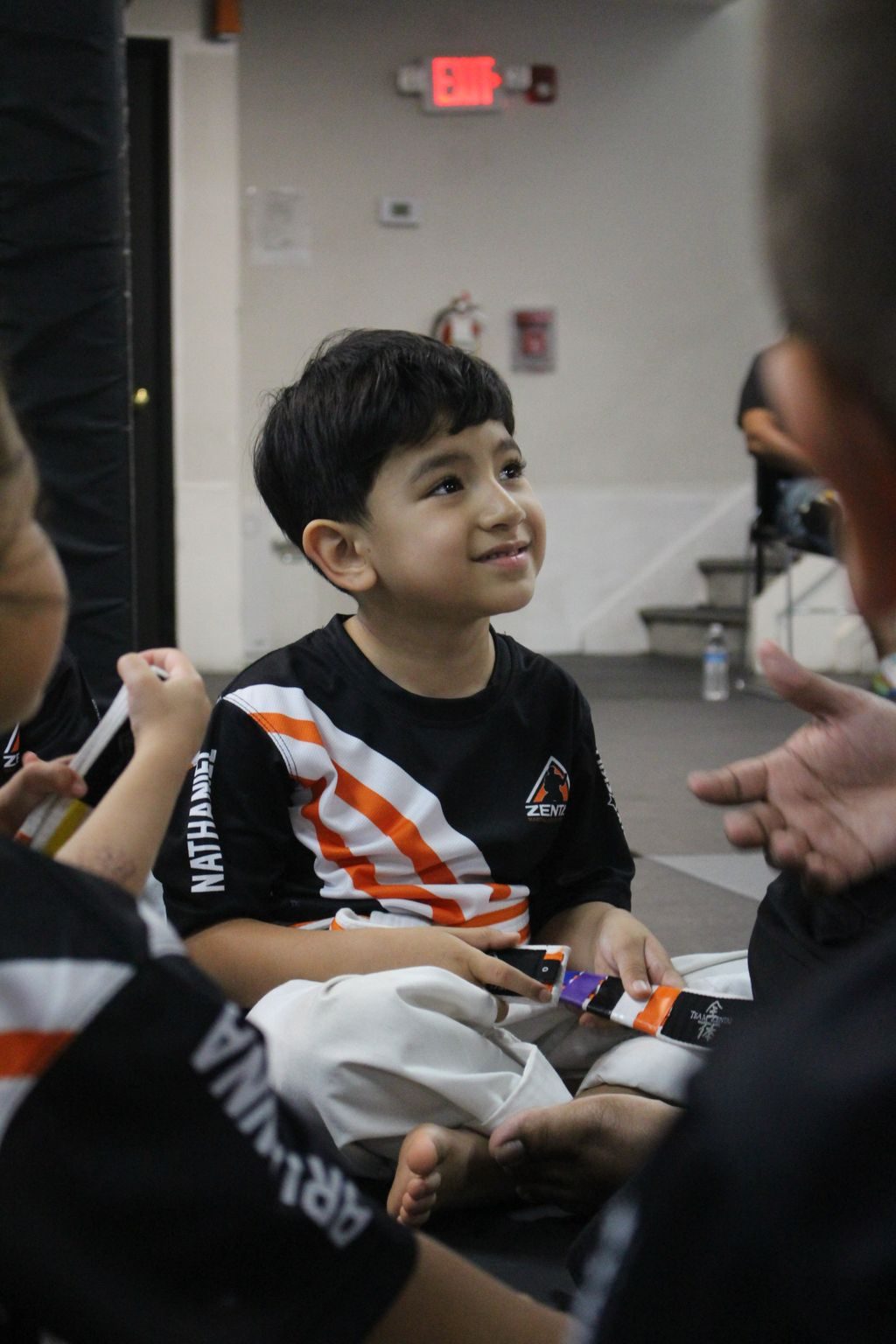
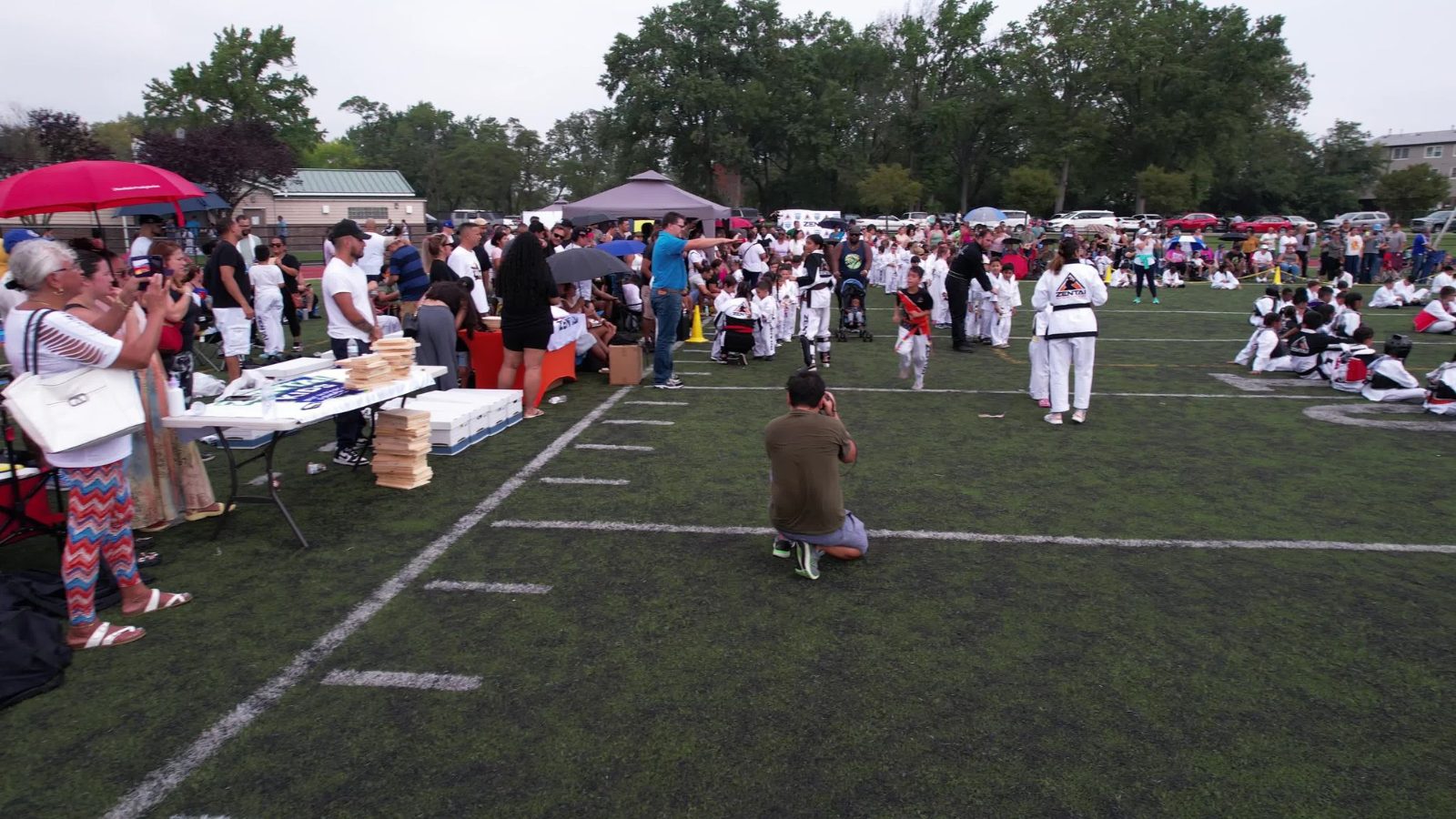
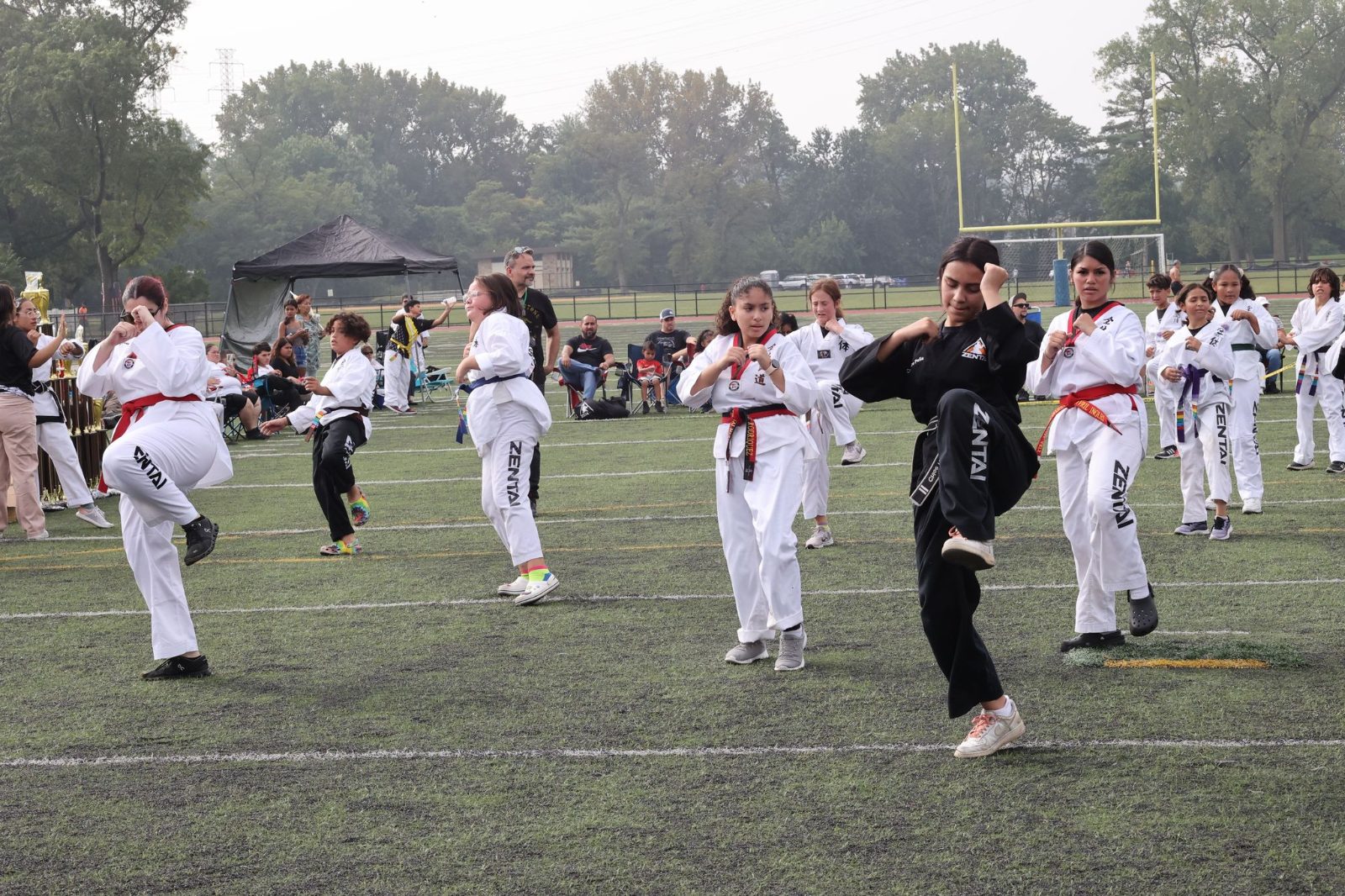
ZENTAI Martial Arts is a leadership development academy that uses martial arts as the vehicle. At our 4 New Jersey locations in Belleville, Clifton, Hackensack, and North Arlington, and our location in the Dominican Republic, positive language is part of how we teach every class in the ZENTAI SKILLZ child development curriculum.
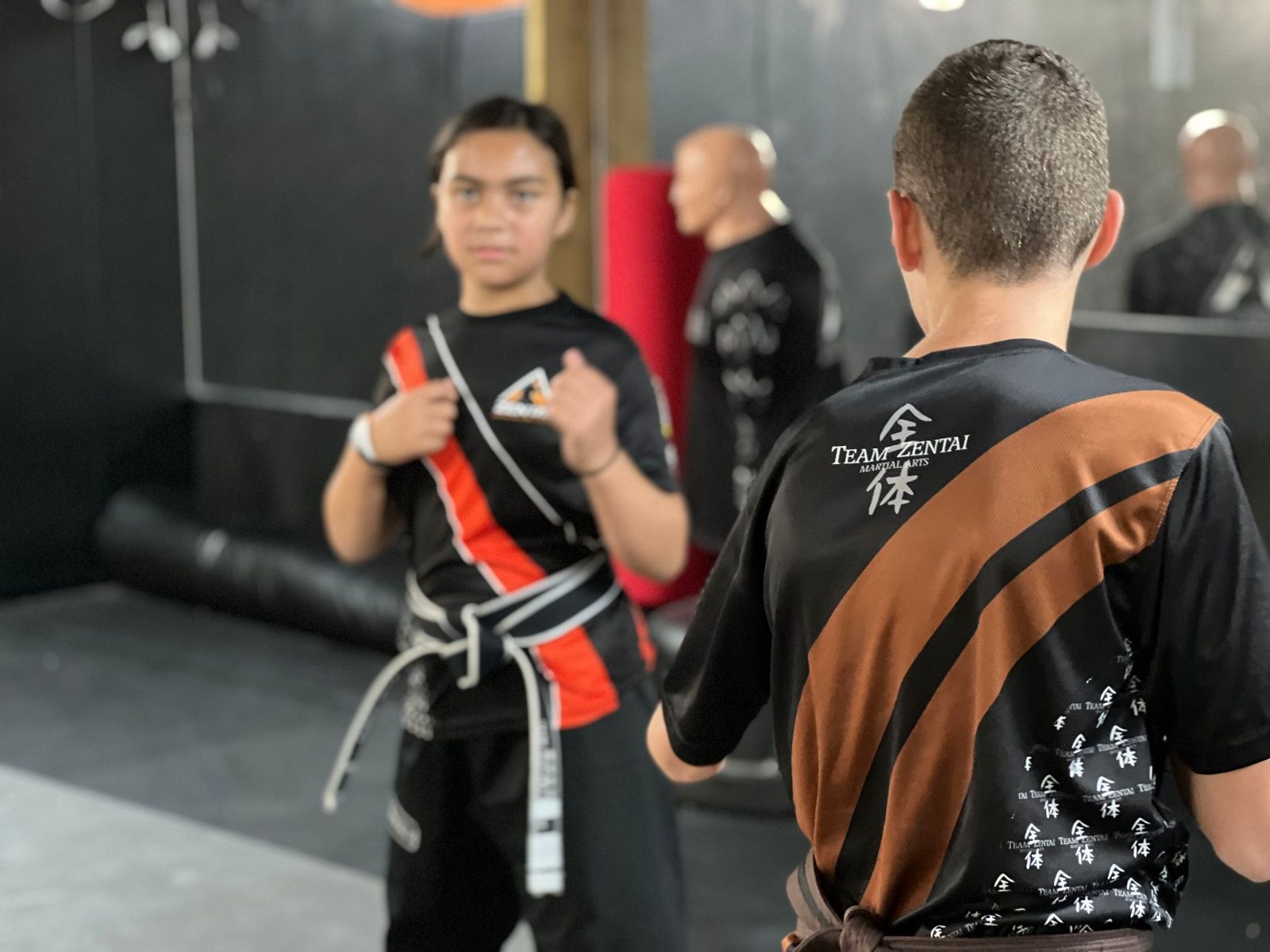
Our instructors trained in child development coach both character and technique, so kids grow as people and as martial artists. When a student struggles, they hear "Try again, you've got this," not "Wrong." When a student makes a mistake, we ask what happened and what they'll do differently next time. And when a student does something kind, everyone hears about it.
Through Parent SKILLZ, we share these same tools with families so kids hear consistent, encouraging language on the mat and at home. This is more than a martial arts school. It's a village, and our ZENTAI family speaks life into every child who walks through our doors. For all eight skills, start with our Parent SKILLZ guide.
Keep Learning With ZENTAI
- What Are Parent SKILLZ? The 8 Skills That Make Home the Real Dojo
- Parenting the Shy Child: Your Child Isn't Shy. They're Smart.
- Nurturing: Change the Behavior, Not the Child
- Early Skillz
Want More? Read Built to Lead
In my book, Built to Lead: Develop Character, Master Influence, and Find Your Purpose, I share the full frozen-pipes story, why integrity is something we grow in rather than a standard of perfection, and how to own a mistake without making excuses. It's written for parents to read with their preteens and teens.
Get Built to Lead on Amazon. All net proceeds support Heart of ZENTAI, our nonprofit bringing free martial arts and leadership training to children in the Dominican Republic.
Hear the Difference at ZENTAI
We work with kids ages 3 and up, teens, and adults. Visit us in Belleville, Clifton, Hackensack, or North Arlington, NJ.
Book your child's first class at zentai.us or call (201) 431-5425. Adult classes are available too.
We Rise By Lifting Others.
Frequently Asked Questions
Find a ZENTAI Location Near You
About the Author
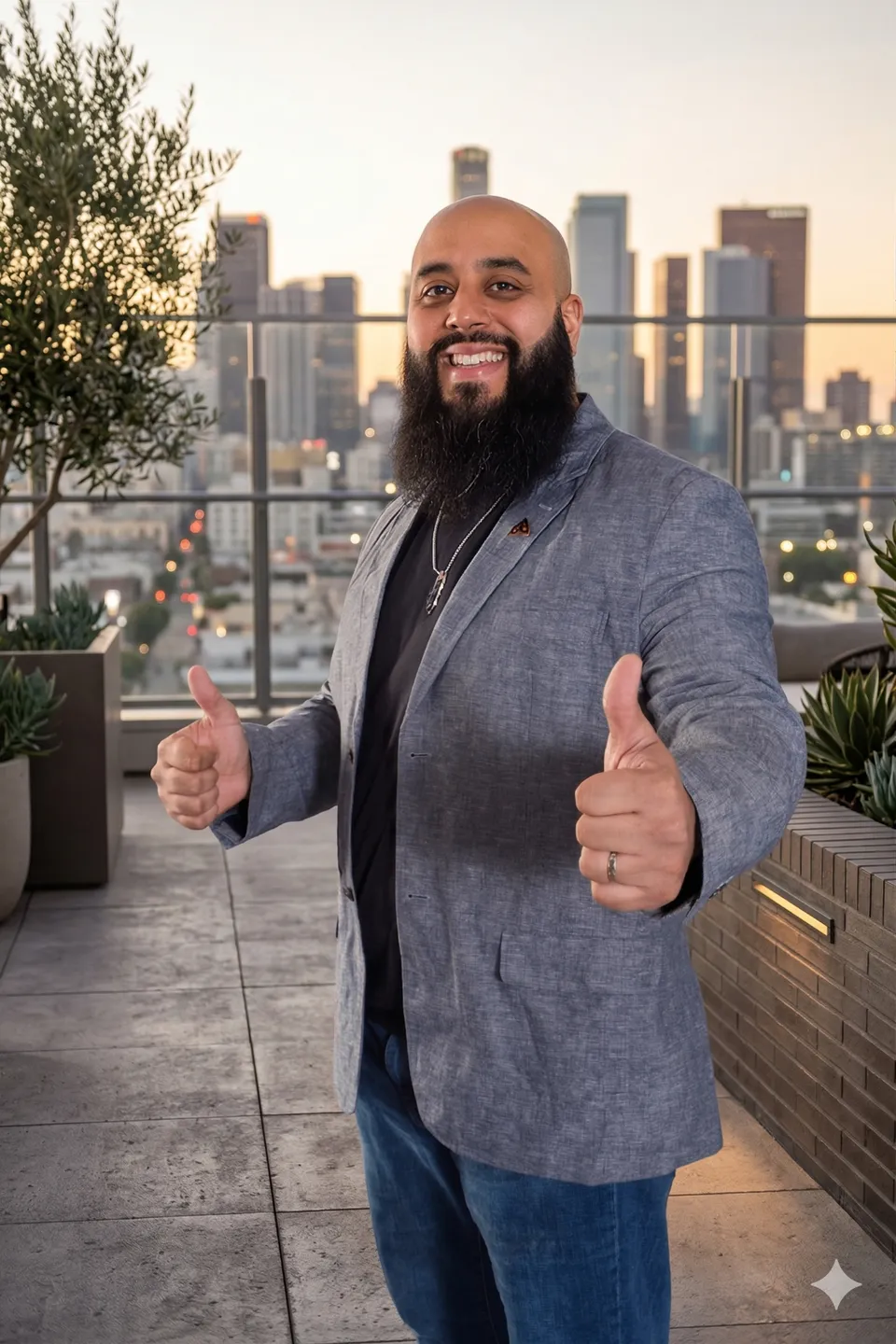
Grandmaster Allen DePeña is the founder of ZENTAI Martial Arts, a leadership development academy with 4 New Jersey locations (Belleville, Clifton, Hackensack, and North Arlington) and 1 in the Dominican Republic, which he built alongside his wife and co-founder, Naomy. He grew up in the Bronx, trained under Grandmaster Tony Morales, and is the author of Built to Lead: Develop Character, Master Influence, and Find Your Purpose. ZENTAI was named #1 Child Development Center of the Year by Skillz Worldwide and holds a 5.0 Google rating from more than 500 reviews.
More about Grandmaster Allen →