Attachment Styles in Children: Why Feeling Safe Comes Before Learning
The Quick Answer
Attachment styles describe the patterns children develop in close relationships, based on how safe and supported they feel with their caregivers. A securely attached child uses a trusted adult as a home base, which frees them to explore and learn. Attachment patterns are not fixed labels. Warm, consistent relationships with parents, teachers, and coaches help any child feel more secure over time.
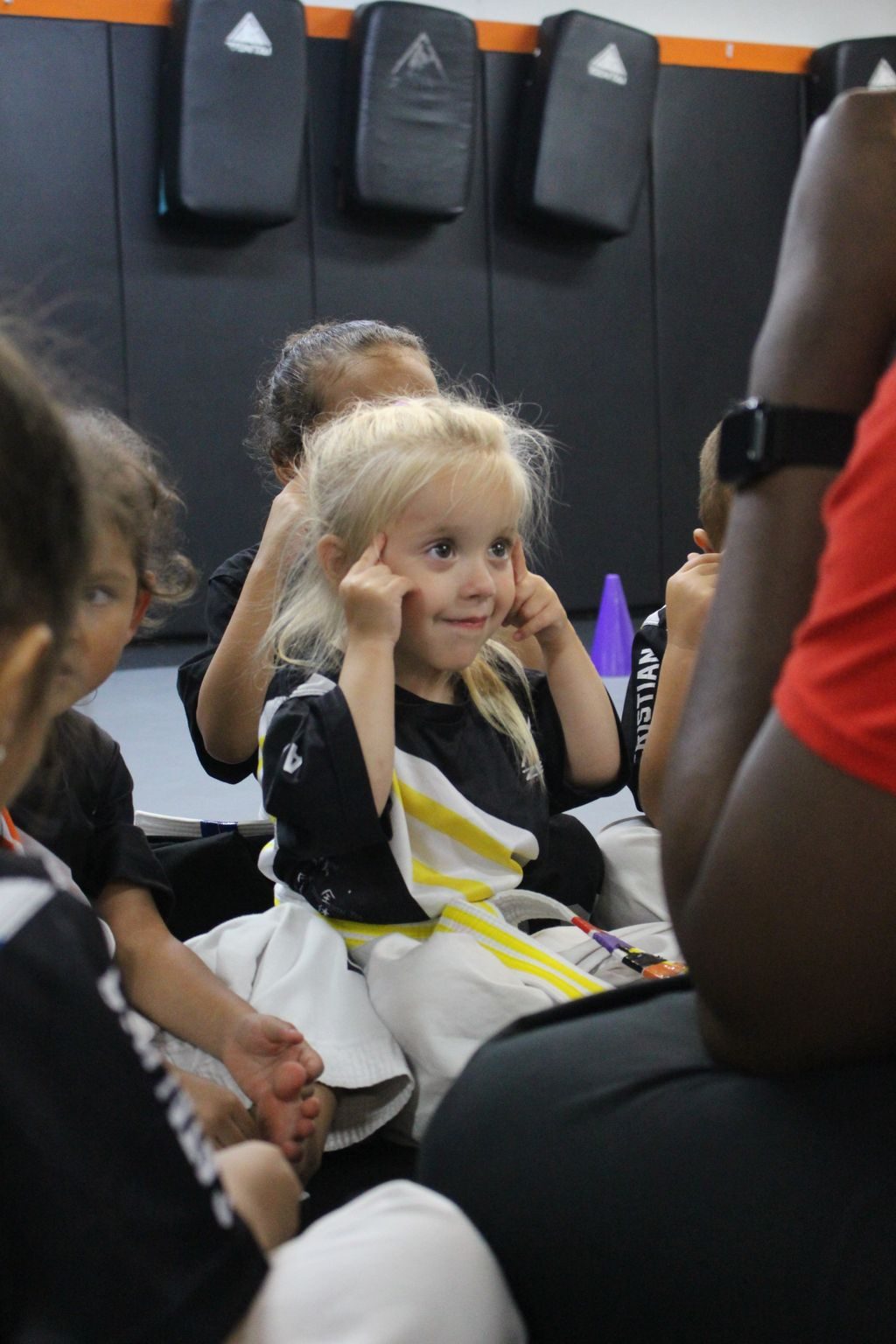
Picture two kids at the edge of the mat on their first day.
The first one hugs Mom, looks back once, and runs out to meet the instructor. A few minutes later, she's laughing through the warm-up and glancing at the bench every now and then to make sure Mom is still there.
The second one grips Dad's leg and won't let go. When he finally does step onto the mat, he keeps looking back, near tears, and can't settle into anything.
Same class. Same instructor. Same age. Very different experiences.
Part of what you're seeing is temperament. But part of it is something child development researchers call attachment, the deep sense a child has about whether the important people in their life will be there for them.
In my book, Built to Lead, I wrote that at ZENTAI, respect is the very first thing you receive when you walk in and the very last thing you receive when you leave. We respect the beginner who's terrified on their first day. That's not just good manners. For a child who doesn't feel safe yet, it's the beginning of everything.
What Are Attachment Styles in Children?
Attachment theory began with psychiatrist John Bowlby and was expanded by psychologist Mary Ainsworth. Their work showed that the emotional bond between a young child and their caregiver becomes a kind of template for how that child approaches other relationships and new situations.
Ainsworth described a few common patterns, and later researchers added another. In simple terms:
- Secure. The child sees their parent as a safe home base. They may be upset at separation but settle when the parent returns, and they feel confident exploring new things.
- Anxious (sometimes called resistant or ambivalent). The child has a hard time separating and a hard time being comforted. New situations can feel very overwhelming.
- Avoidant. The child seems very independent and may not look for comfort, even when they could use it. They might keep people at a distance or resist help.
- Disorganized. A pattern researchers use when a child's responses to closeness seem mixed or confusing, like reaching for comfort and pulling away at the same time.
Here's the most important thing to know: these are research descriptions, not labels to put on your child. Kids are more complicated than any category. A child might look anxious at a new class and secure at home. Many factors play a role, including temperament, stress, big life changes, and simply age. If you have real concerns about your child's relationships or emotional health, your pediatrician or a licensed child therapist is the best place to start.
How Does Attachment Affect Behavior at School and in Class?
A child who feels safe has more energy for learning. A child who doesn't feel safe spends a lot of that energy watching, worrying, or protecting themselves.
So the child who melts down at drop-off isn't being "dramatic." The child who refuses help isn't being "difficult." The child who bounces between quiet and wild isn't "bad." Often, each of them is asking the same question in a different way: Am I safe here? Can I trust you?
When the adults in the room answer that question with patience instead of frustration, behavior tends to change. Not overnight. But it changes.
How Can I Help My Child Feel More Secure?
The good news is that attachment isn't set in stone. Warm, consistent relationships help kids feel more secure over time. Try these:
- Be predictable. Consistent routines, especially around mornings, bedtime, and drop-off, tell your child what to expect.
- Say goodbye, then go. A short, warm goodbye with a clear promise, "I'll be right here when class ends," works better than sneaking out or a long, emotional exit.
- Keep your promises. If you say you'll be back at 5:30, be back at 5:30. Trust is built one kept promise at a time.
- Repair after conflict. Every parent loses their cool sometimes. What matters is coming back afterward. "I'm sorry I yelled. I love you. Let's try again."
- Build playful connection. Ten minutes a day of focused, phone-down play fills a child's emotional cup more than you might think.
- Share the village. Kids benefit from more than one safe adult. Grandparents, teachers, coaches, and mentors can all become part of your child's secure base.
How ZENTAI Creates a Secure Base for Kids
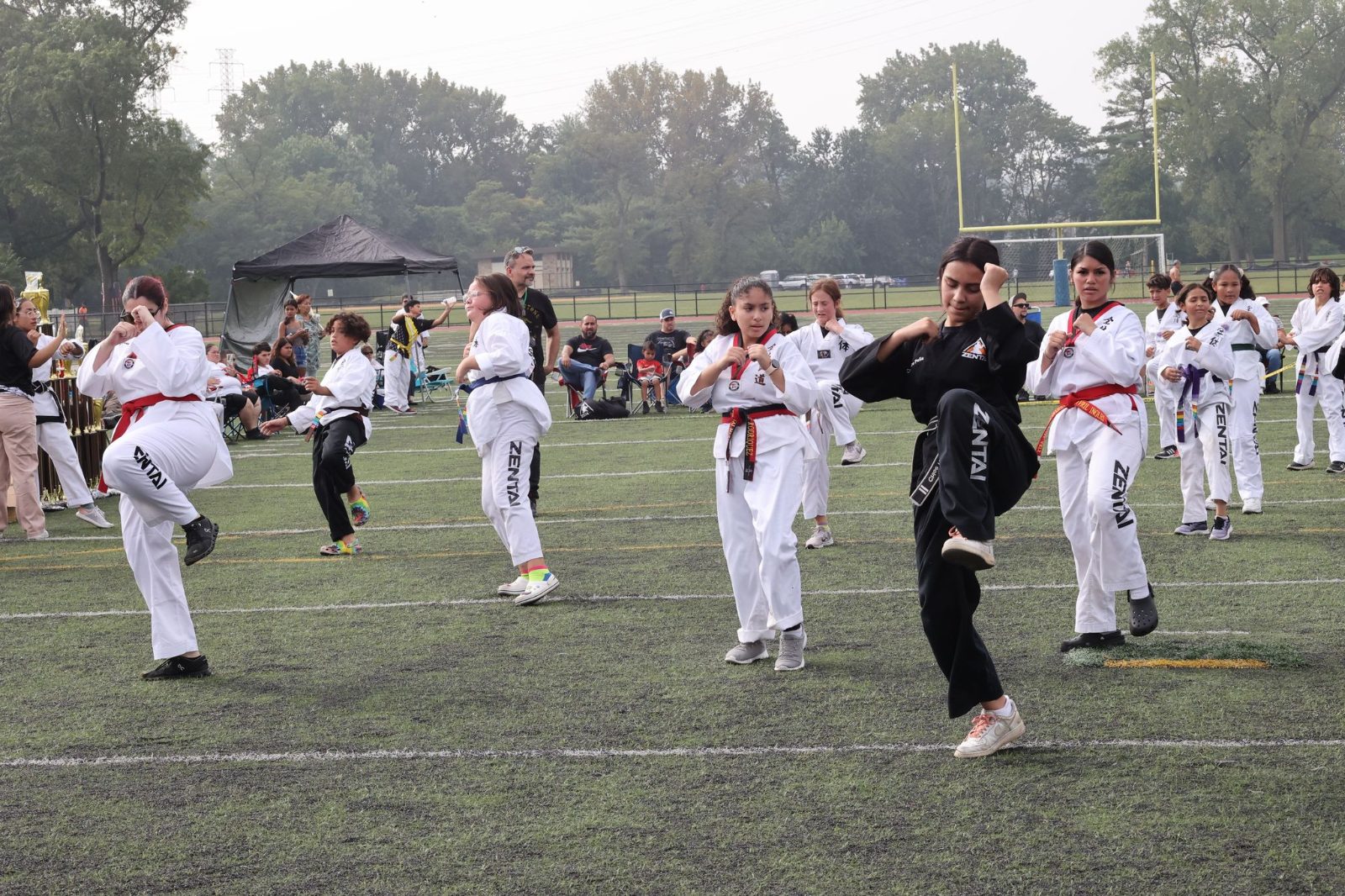
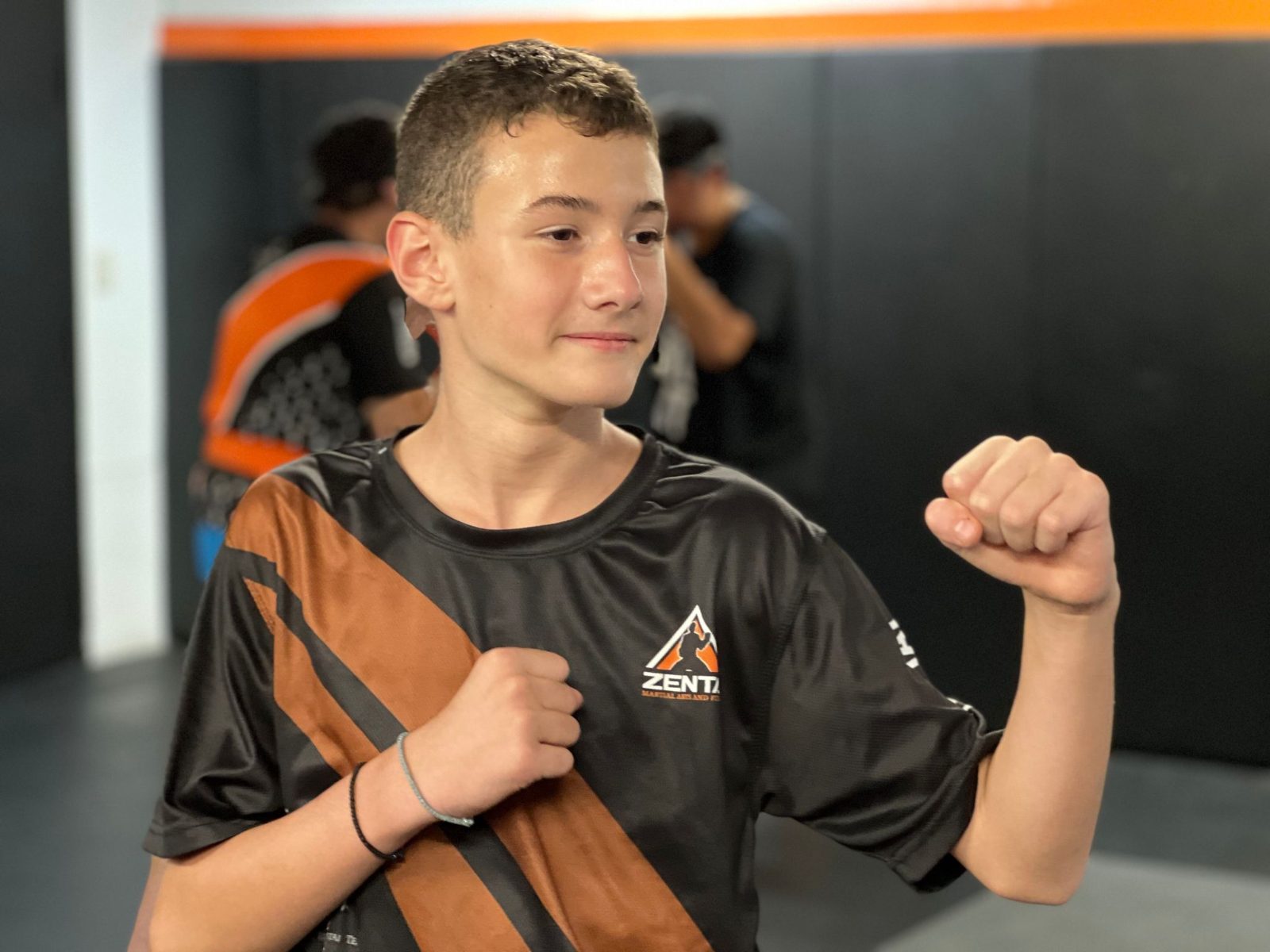
At ZENTAI Martial Arts, we are a leadership development academy that uses martial arts as the vehicle. At our 4 New Jersey locations in Belleville, Clifton, Hackensack, and North Arlington, and our location in the Dominican Republic, our classes are built on the ZENTAI SKILLZ child development curriculum, and a big part of that is helping kids feel safe enough to grow. My wife and co-founder, Naomy DePeña, is a licensed special educator, so our program and our instructors are uniquely prepared to be inclusive to all children.
- Predictable structure. Every class follows a familiar rhythm: bow in, warm-up, mat chat, skill drills, and a game. Predictability is comforting.
- Respect from the first bow. Every student is greeted, seen, and treated with respect, whether it's their first class or their five hundredth.
- Instructors trained in child development. Our instructors coach both character and technique, so kids grow as people and as martial artists. They understand that a child who is struggling to separate or to accept help needs patience, not pressure.
- Zero tolerance for bullying. A child can't feel secure where they don't feel safe. We don't allow bullying, from students or from adults.
- Parent SKILLZ. We share practical skills like connection, attunement, and nurturing so parents can keep strengthening that bond at home.
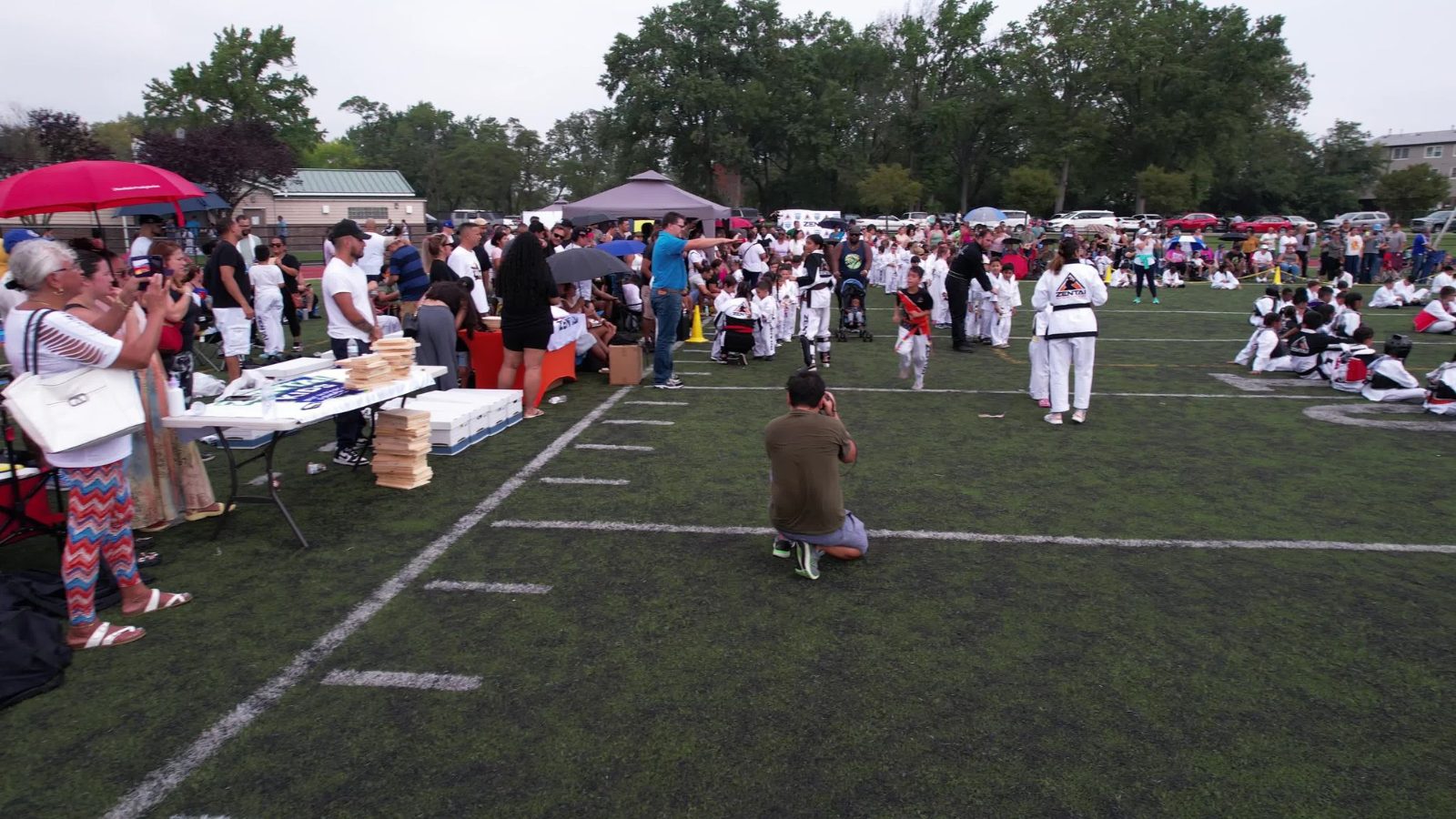
This is more than a martial arts school. It's a village. And for many kids, our ZENTAI family becomes one more safe place in their world.
Safety First, Then Growth
Every parent wants their child to be confident, focused, and brave. But those things grow best in soil that feels safe.
So if your child clings a little longer than other kids, or keeps people at arm's length, don't panic and don't blame yourself. Keep showing up. Keep your promises. Keep building the village around them. Security is built one steady, loving moment at a time.
Keep Learning With ZENTAI
- Connection: How to Connect With Your Child Every Single Day
- Nurturing Connection: What to Do When Your Child Won't Listen
- Playful Connection: How to Fill Your Child's Emotional Cup
Want More? Read Built to Lead
In my book, Built to Lead: Develop Character, Master Influence, and Find Your Purpose, I share why respect is the first and last thing every student receives at ZENTAI, and how it shapes a child's growth. It's written for parents to read with their preteens and teens.
Get Built to Lead on Amazon. All net proceeds support Heart of ZENTAI, our nonprofit bringing free martial arts and leadership training to children in the Dominican Republic.
A Safe Place to Grow
We work with kids ages 3 and up, teens, and adults. Visit us in Belleville, Clifton, Hackensack, or North Arlington, NJ, serving families across Essex, Passaic, and Bergen counties.
Book your child's first class at zentai.us or call (201) 431-5425. You're welcome to stay and watch while your child settles in.
We Rise By Lifting Others.
Frequently Asked Questions
Find a ZENTAI Location Near You

About the Author
Grandmaster Allen DePeña is the founder of ZENTAI Martial Arts, a leadership development academy with 4 New Jersey locations (Belleville, Clifton, Hackensack, and North Arlington) and 1 in the Dominican Republic, which he built alongside his wife and co-founder, Naomy. He grew up in the Bronx, trained under Grandmaster Tony Morales, and is the author of Built to Lead: Develop Character, Master Influence, and Find Your Purpose. ZENTAI was named #1 Child Development Center of the Year by Skillz Worldwide and holds a 5.0 Google rating from more than 500 reviews.
More about Grandmaster Allen →