The Power of Positive Parenting: Building Responsibility Through Motivation, Not Fear
The Quick Answer
Positive parenting builds responsibility through motivation instead of fear. Control-based parenting (sometimes called Theory X) relies on threats and punishment and often gets short-term compliance. Motivation-based parenting (Theory Y) relies on trust, clear expectations, encouragement, and modeling, and tends to build self-discipline that lasts. Start with motivation, and use firm consequences only when truly needed.
In my book, Built to Lead, I ask a question that I think every parent and every teacher should sit with for a minute.
What about the kid who can't do a single push-up?
It's easy to respect the child who's already great. The natural athlete. The straight-A student. The one who does everything right the first time. But the real test is how we treat the child who hasn't earned anything yet.
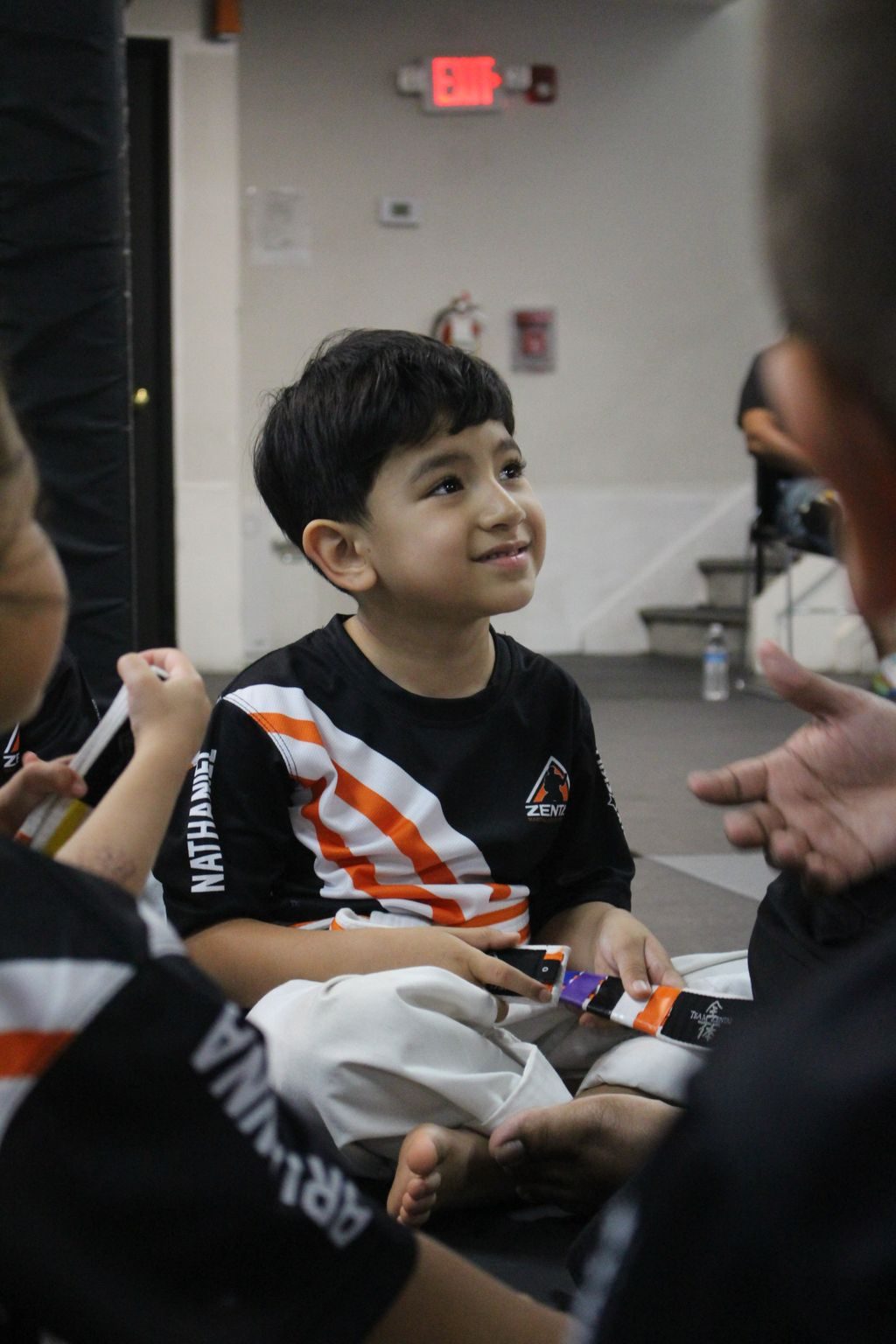
At ZENTAI, we pride ourselves on taking that student, the one who can't do a push-up, who maybe isn't at the top of their class, who needs a little more support, and working with them until they find their personal best.
And you can't do that with fear. You can only do it with belief.
That's the heart of positive parenting. So let's talk about the two ways most of us try to build responsibility in our kids, and why one works so much better.
Theory X vs. Theory Y: Two Ways to Lead Kids
Theory X and Theory Y come from the world of management, from the work of Douglas McGregor. They describe two different beliefs about people. And they fit parenting surprisingly well.
- Theory X (control): assumes kids don't want responsibility and will only behave when there are consequences. It leans on strict rules, close supervision, threats, and punishment.
- Theory Y (motivation): assumes kids want to be capable and responsible when they have the right support. It leans on trust, clear expectations, encouragement, and positive reinforcement.
Here's what that sounds like in real life:
Theory X vs. Theory Y
Theory X: "If you don't finish your homework, you lose screen time."
Theory Y: "When your homework is done, you can have screen time."
Theory X: "Interrupt me again and you're in time-out."
Theory Y: "Hold that thought. I'll come right back to you."
Theory X: "Sit still or else."
Theory Y: "Show me how a black belt sits."
Notice something? The rules didn't change. Homework still comes before screens. Interrupting still isn't okay. Kids still need to sit still. What changed is the energy. One says "I'm watching for you to fail." The other says "I believe you can do this."
Why Doesn't Control-Based Parenting Work Long Term?
I understand why control is tempting. It's fast. When you're tired and the kids are bouncing off the walls, a threat gets results in seconds. And most of us were raised that way. We turned out okay, right?
But "okay" isn't the goal. The goal is a child who does the right thing because they want to, not because someone bigger is watching. That kind of child has to be built with trust, one small responsibility at a time.
Control can work in the moment. Kids may comply. But when it's the main approach, it often leads to:
- Resistance and rebellion, especially as kids get older.
- Fear of mistakes, which makes kids avoid challenges instead of taking them on.
- Motivation that only lasts while someone is watching.
- Trouble with self-control, because kids never got to practice managing themselves.
In Built to Lead, I write that respect means you can hold someone accountable for what they do while still respecting who they are. You can correct the behavior without diminishing the person. That's the line Theory X parenting often crosses without meaning to.
What Are Some Positive Parenting Techniques?
Theory Y doesn't mean no rules. It means leading with motivation first. Try these this week.
- Flip "if" into "when." "When you put your plate in the sink, we can go outside." Same expectation, positive direction.
- Redirect instead of reprimand. Guide your child toward what to do instead of only telling them what not to do.
- Model the behavior. "Show me how a leader cleans up." Kids love rising to a role.
- Give real responsibility. Trust kids with jobs that matter. Responsibility grows when it's given.
- Praise effort and character. "You stuck with that even though it was hard. That's discipline."
- Save firm consequences for when they're needed. If a behavior keeps happening after real encouragement, a calm, fair consequence is appropriate. Start with motivation, not with the hammer.
How ZENTAI Builds Responsibility Through Motivation
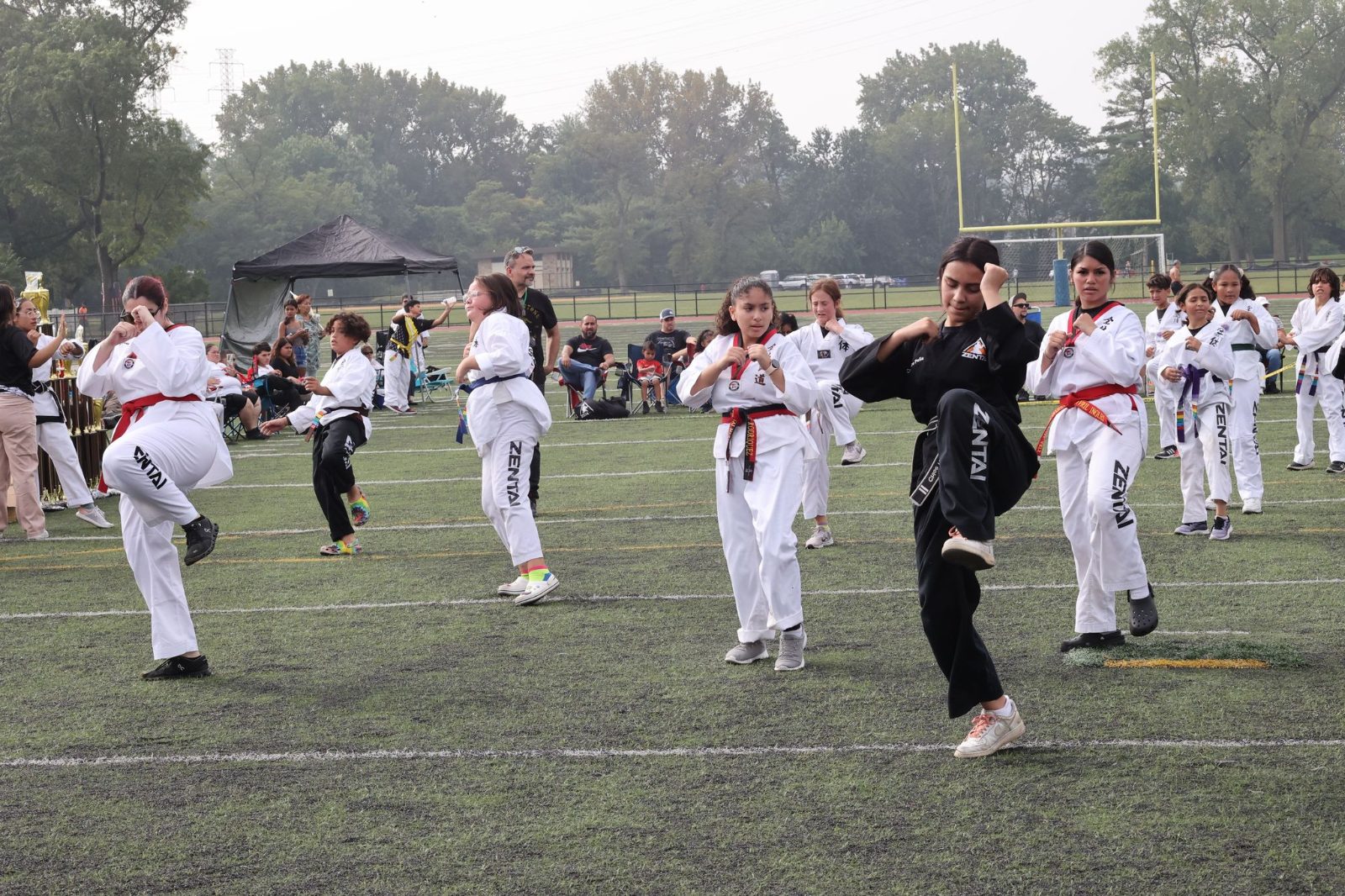
At ZENTAI Martial Arts, we are a leadership development academy that uses martial arts as the vehicle. Our kids classes follow the ZENTAI SKILLZ child development curriculum, which is built around motivation, not fear.
- Age-specific training. Expectations match each child's developmental stage, from Early Skillz (ages 3 to 4) through Teens, so goals feel challenging but achievable.
- Brain SKILLZ. Lessons are designed to engage kids' minds and emotions, so skills stick and confidence grows.
- Game-based learning. Skill-building is fun, so kids stay motivated without harsh consequences.
- Coaching both character and technique. Our instructors help kids grow as people and as martial artists.
- Leadership Academy. In ZENTAI's student leadership program, student leaders learn while supporting classes, which may be the most powerful responsibility-builder we have.
And through Parent SKILLZ, we share the same tools, like prompting, patience, and consistency, so you can bring Theory Y into your home. In the ZENTAI SKILLZ program, we'd rather build behavior by desire than by fear.
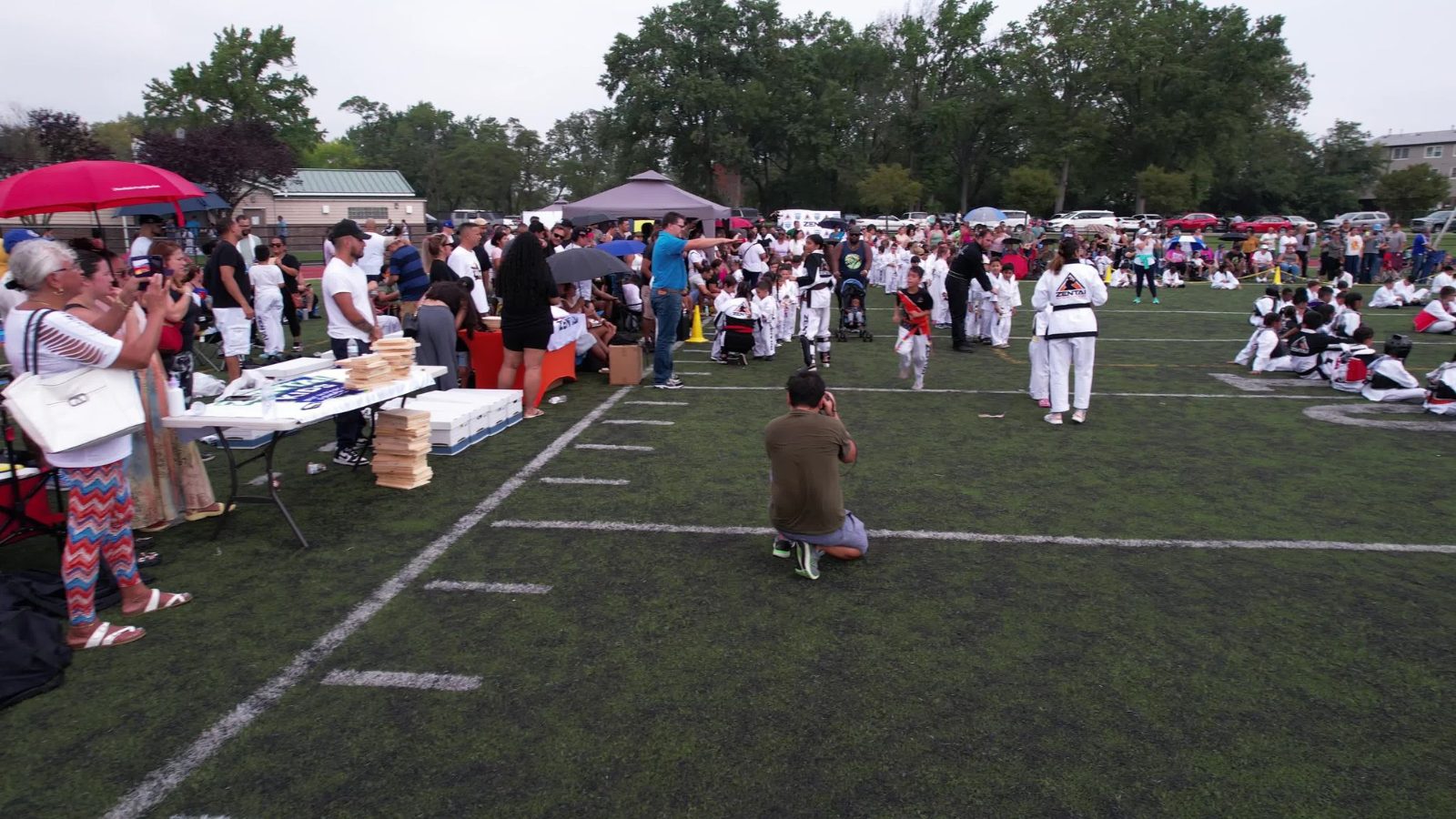
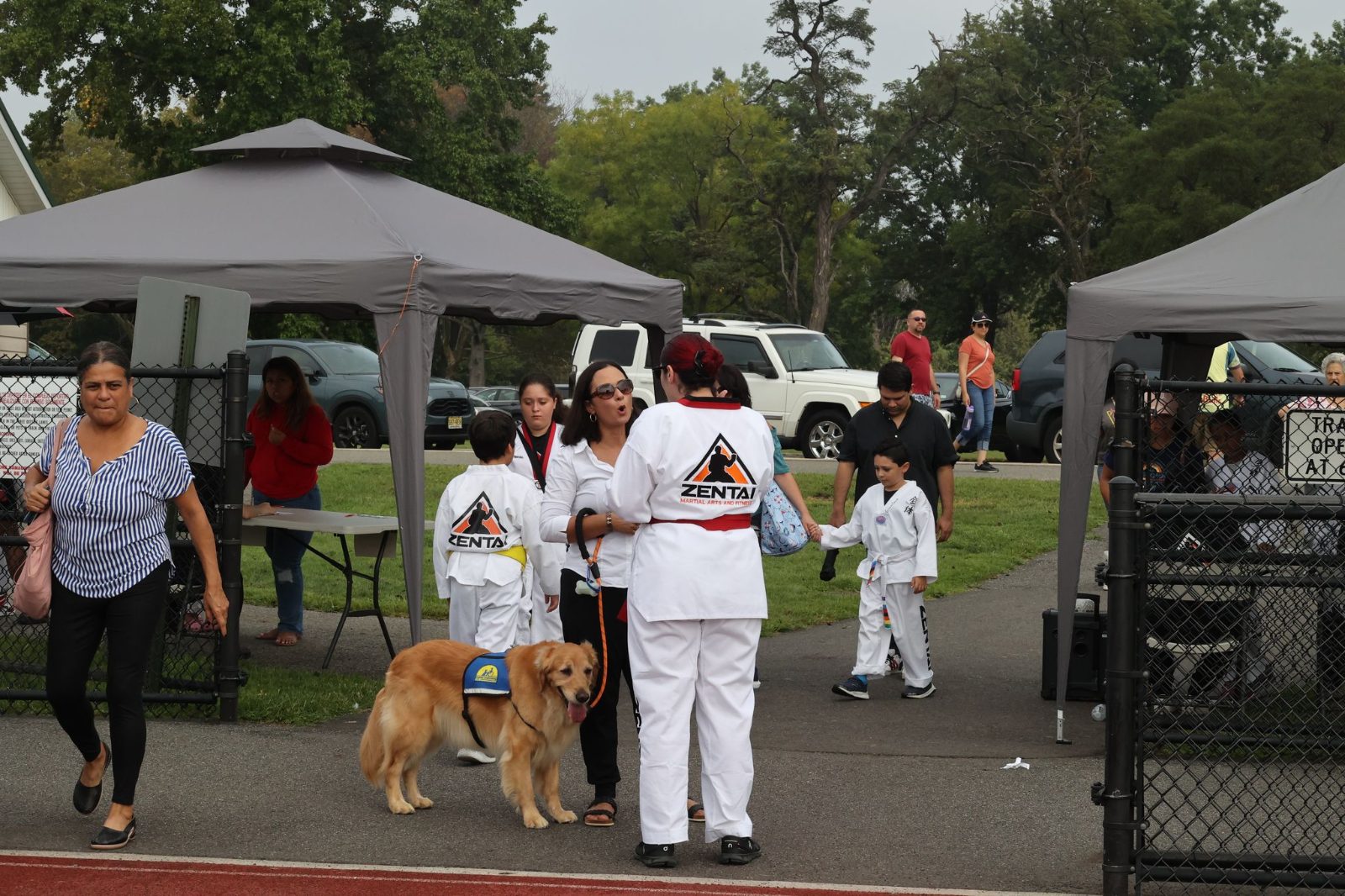
This is more than a martial arts school. It's a village. At our 4 New Jersey locations in Belleville, Clifton, Hackensack, and North Arlington, and our location in the Dominican Republic, we believe in every kid, including the one who can't do a push-up yet.
Your Challenge for the Week
For the next seven days, notice how you talk to your child. Ask yourself two questions:
- Am I leaning toward control or toward motivation?
- When I shift toward motivation, what changes in my child's behavior, confidence, or cooperation?
You might be surprised how small the shift is, and how big the results can be.
Keep Learning With ZENTAI
- Reinforcement vs. Punishment: What Actually Changes Your Child's Behavior
- Which Parenting Style Works Best? Firm, Warm, and Built for Growth
- Think Big, Teach BIGGER: How ZENTAI Instructors Make a Deposit in Every Class
Want More? Read Built to Lead
In my book, Built to Lead: Develop Character, Master Influence, and Find Your Purpose, I share how ZENTAI practices respect and responsibility, and why we believe in every student. It's written for parents to read with their preteens and teens.
Get Built to Lead on Amazon. All net proceeds support Heart of ZENTAI, our nonprofit bringing free martial arts and leadership training to children in the Dominican Republic.
Train With a Team That Believes in Your Child
We work with kids ages 3 and up, teens, and adults. Visit us in Belleville, Clifton, Hackensack, or North Arlington, NJ.
Book your child's first class at zentai.us or call (201) 431-5425. Come see how a black belt sits.
We Rise By Lifting Others.
Frequently Asked Questions
Find a ZENTAI Location Near You
About the Author
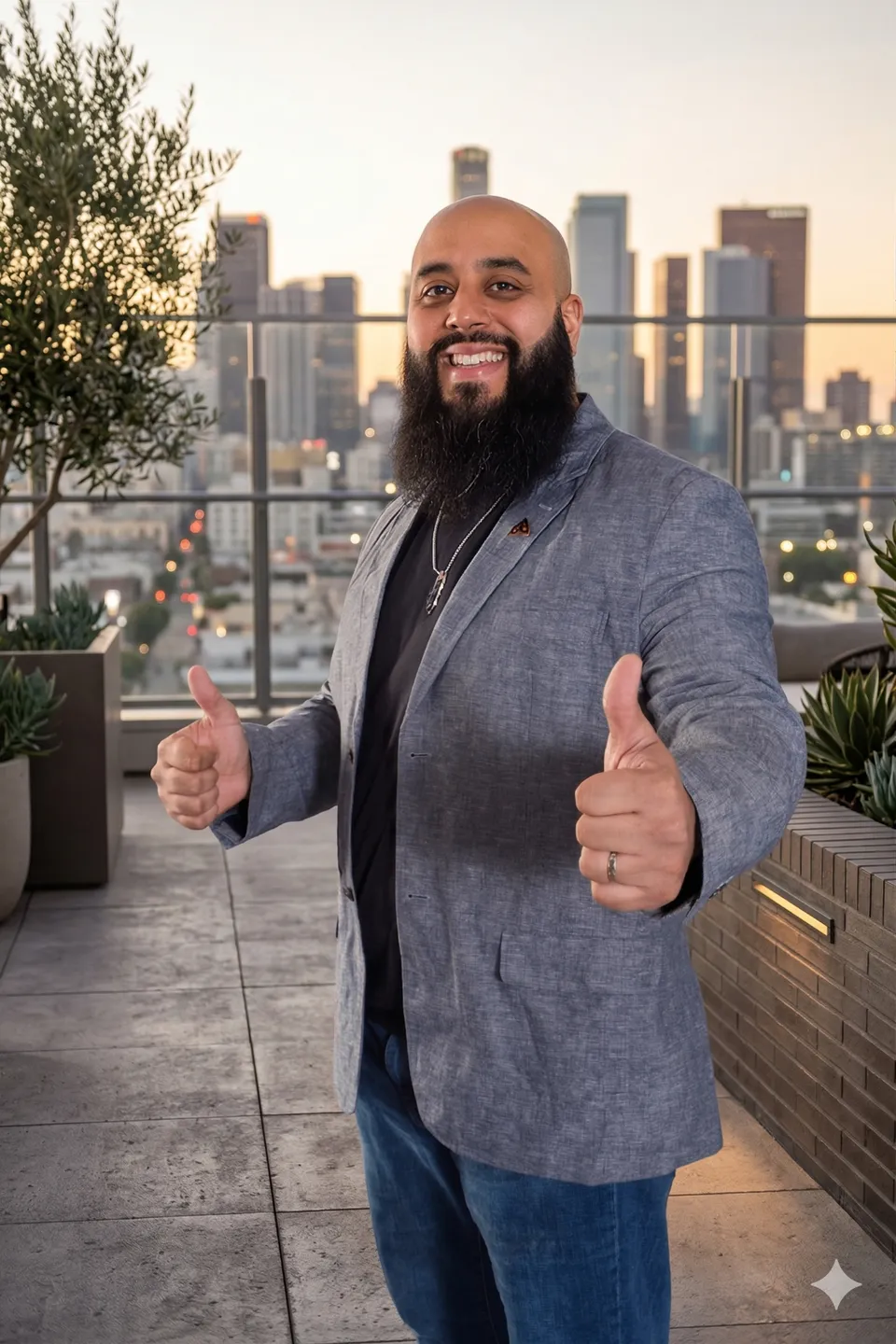
Grandmaster Allen DePeña is the founder of ZENTAI Martial Arts, a leadership development academy with 4 New Jersey locations (Belleville, Clifton, Hackensack, and North Arlington) and 1 in the Dominican Republic, which he built alongside his wife and co-founder, Naomy. He grew up in the Bronx, trained under Grandmaster Tony Morales, and is the author of Built to Lead: Develop Character, Master Influence, and Find Your Purpose. ZENTAI was named #1 Child Development Center of the Year by Skillz Worldwide and holds a 5.0 Google rating from more than 500 reviews.
More about Grandmaster Allen →