Which Parenting Style Works Best? Firm, Warm, and Built for Growth
The Quick Answer
The authoritative parenting style, which combines high expectations with warmth, explanation, and positive discipline, is the style most often linked to confident, self-disciplined kids. It sits between authoritarian parenting (strict rules, little warmth) and permissive parenting (lots of warmth, few rules). Most parents mix styles, and you can shift toward authoritative with a few small habits.
Say your eight-year-old knocks a full cup of juice across the kitchen table. Again. Right after you told them to move it away from the edge.
What happens next?
One parent yells. "What did I just tell you? Go to your room."
Another laughs it off, grabs a towel, and cleans it up. "Don't worry about it, sweetie."
A third doesn't look up from the phone.
And a fourth says, calmly, "Okay. What happened? And what will you do differently next time?" Then hands the child the towel.
That last question is one we use at ZENTAI every single day. In my book, Built to Lead, I explain why: when a student makes a mistake, we don't yell at them and we don't shame them. We help them own it, learn from it, and move forward. That's responsibility. And it's also a pretty good picture of the parenting style researchers have found works best.
What Are the 4 Parenting Styles?
In the 1960s, psychologist Diana Baumrind described three main parenting styles based on two things: how much warmth parents show and how much structure they expect. Later researchers, Eleanor Maccoby and John Martin, added a fourth. Here's the quick version:
- Authoritarian (high structure, low warmth). Strict rules, little explanation. "Because I said so." Questions can feel like back talk. Kids may obey, but they often struggle with confidence and making their own decisions.
- Authoritative (high structure, high warmth). Clear rules and high expectations, explained in a way the child understands. Kids get a voice, and parents guide them through problems. This style is most often linked to kids who are independent and self-disciplined.
- Permissive (low structure, high warmth). Lots of love, few limits. The parent acts more like a friend. Consequences are rare or not enforced. Kids may struggle with rules, goals, and impulse control.
- Uninvolved (low structure, low warmth). Few rules and little connection. This is often not on purpose. Parents may be overwhelmed, exhausted, or unsure what to do. Kids may be left to figure life out on their own.
Nobody fits neatly into one box. Most of us slide between styles depending on the day, our stress level, and how we were raised. The goal isn't to label yourself. It's to notice where you are and move a little closer to firm and warm.
Isn't Strict Parenting the Same as Discipline?
This is where a lot of well-meaning parents get stuck. We confuse toughness with discipline.
I see this in the martial arts world all the time. In Built to Lead, I wrote about instructors who hide behind the words "discipline" and "toughness." They claim they're being hard on a student to make them stronger. But they're not teaching. They're not building. There's a difference between pushing someone to grow and tearing someone down because you have the power to do it.
Real discipline is teaching. The root of the word is about learning. It means clear expectations, consistent follow-through, and a child who understands why the rule exists.
And warmth isn't the same as being soft. You can hold a firm line and still be kind. In fact, kids accept a firm line much better when they know you're on their side.
How to Move Toward an Authoritative Parenting Style
- Set fewer, clearer rules. A handful of rules your child understands beats a long list nobody remembers.
- Explain the why. "We hold hands in the parking lot because cars can't always see small people." Kids follow reasons better than orders.
- Give choices inside the limits. "Do you want to do homework before or after your snack?" Both options get the job done, and your child gets a voice.
- Follow through, calmly. A consequence you actually enforce is worth ten you threaten. Keep your voice low and your words few.
- Ask, don't lecture. After a mistake, try "What happened? What will you do differently next time?" Let them do the thinking.
- Catch them doing it right. Praise and small rewards for good choices shape behavior faster than punishment for bad ones.
How ZENTAI Supports Parents
It takes a village to raise a child. At ZENTAI Martial Arts, we mean that. This is more than a martial arts school. It's a village, and parents are a big part of it.
We are a leadership development academy that uses martial arts as the vehicle, with 4 New Jersey locations in Belleville, Clifton, Hackensack, and North Arlington, and 1 in the Dominican Republic. Every kids class runs on the ZENTAI SKILLZ child development curriculum, and our classes model the same firm, warm approach we encourage at home.
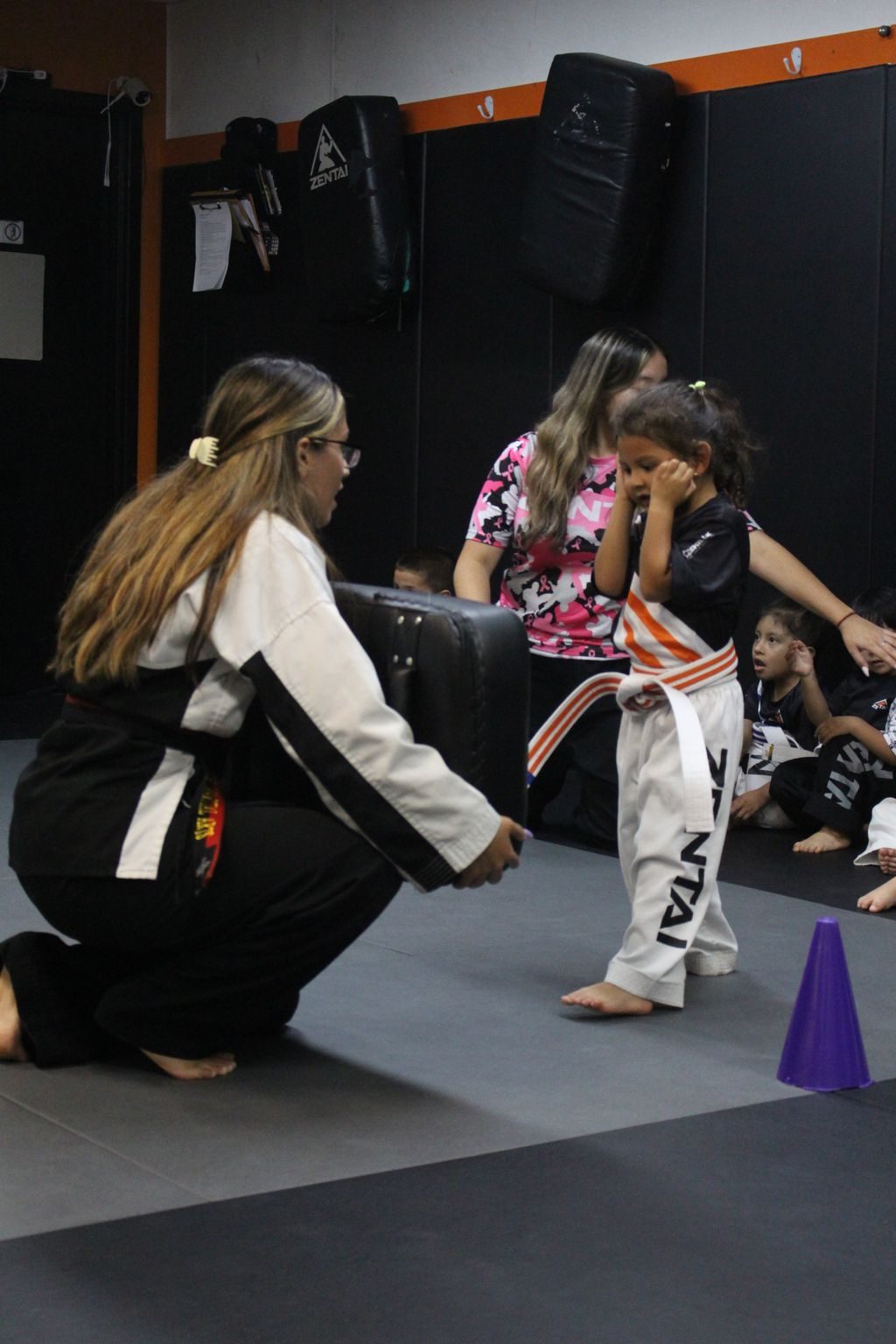
- Clear structure. Kids know what to expect. Every class begins and ends with respect, with a warm-up, a mat chat about the skill of the day, skill drills, and a game.
- Positive discipline. Our instructors use tools like choices, redirection, and both intrinsic and extrinsic motivation instead of shame.
- Character and technique together. Our instructors coach both, so kids grow as people and as martial artists.
- Parent SKILLZ. We share eight practical skills with parents: connection, attunement, patience, prompting, edutainment, nurturing, adaptability, and consistency. They're simple to use and they make the authoritative style feel natural.
Adjust the Sails
John Maxwell has a line I quote in Built to Lead: the pessimist complains about the wind, the optimist expects it to change, and the leader adjusts the sails.
Parenting is the same. You can't control every mood, every spilled cup, every bad day. But you can adjust how you respond. And every time you choose firm and warm over loud or absent, you're teaching your child how a leader handles a problem.
Keep Learning With ZENTAI
- Empowering vs. Enabling: The Fine Line of Parenting
- Quiet Parenting: How to Stop Yelling at Your Kids
- The Power of Positive Parenting: Building Responsibility Through Motivation, Not Fear
Want More? Read Built to Lead
In my book, Built to Lead: Develop Character, Master Influence, and Find Your Purpose, I share the core values we teach at ZENTAI, including responsibility and respect, and how to live them as a family. It's written for parents to read with their preteens and teens.
Get Built to Lead on Amazon. All net proceeds support Heart of ZENTAI, our nonprofit bringing free martial arts and leadership training to children in the Dominican Republic.
Join Our ZENTAI Family
We work with kids ages 3 and up, teens, and adults. Visit us in Belleville, Clifton, Hackensack, or North Arlington, NJ, serving families across Essex, Passaic, and Bergen counties.
Book your child's first class at zentai.us or call (201) 431-5425. Ask about Parent SKILLZ and our adult classes.
We Rise By Lifting Others.
Frequently Asked Questions
Find a ZENTAI Location Near You
About the Author
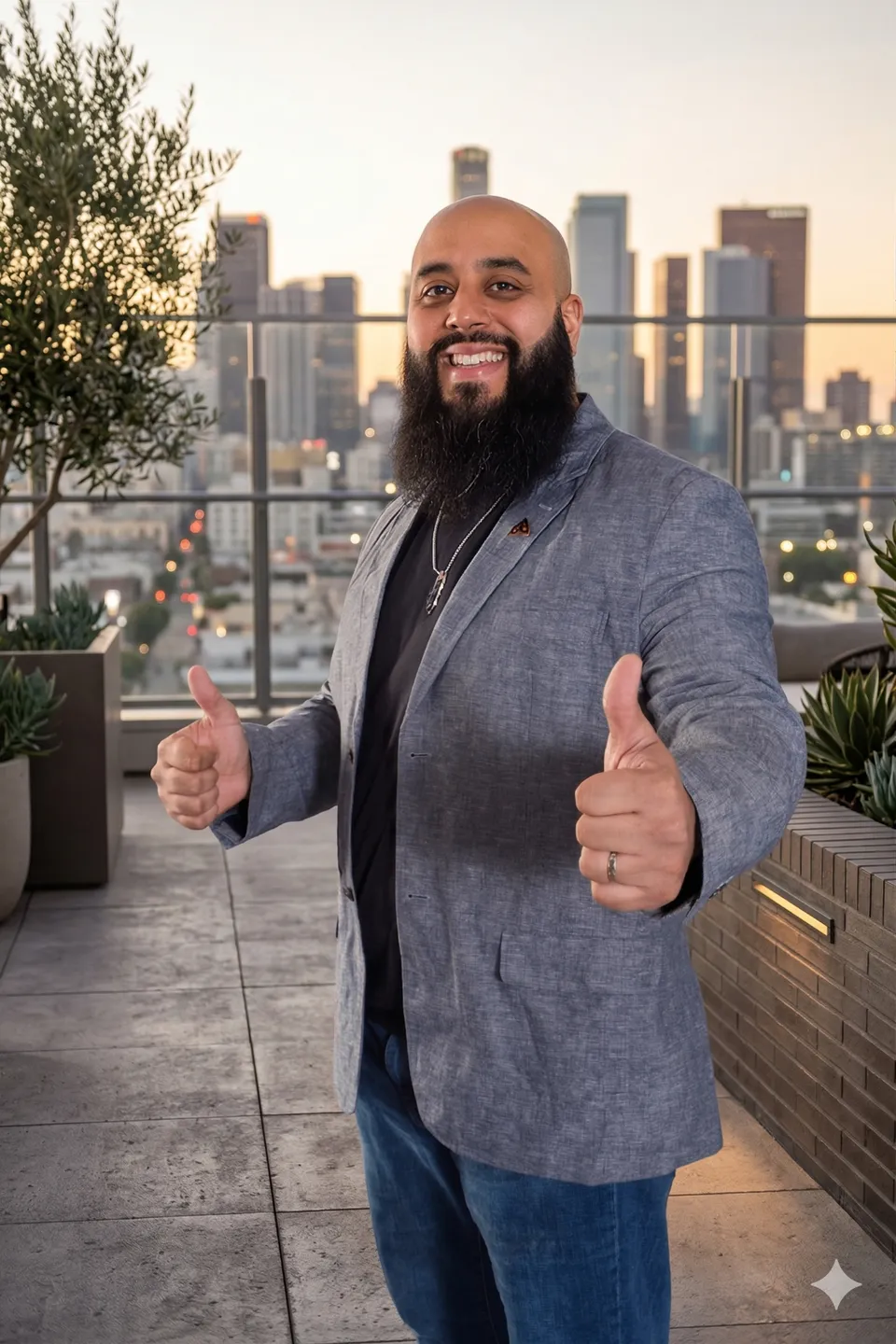
Grandmaster Allen DePeña is the founder of ZENTAI Martial Arts, a leadership development academy with 4 New Jersey locations (Belleville, Clifton, Hackensack, and North Arlington) and 1 in the Dominican Republic, which he built alongside his wife and co-founder, Naomy. He grew up in the Bronx, trained under Grandmaster Tony Morales, and is the author of Built to Lead: Develop Character, Master Influence, and Find Your Purpose. ZENTAI was named #1 Child Development Center of the Year by Skillz Worldwide and holds a 5.0 Google rating from more than 500 reviews.
More about Grandmaster Allen →