Is Martial Arts Good for Kids With Autism? What Parents Should Know
The Quick Answer
Martial arts can be a great fit for many kids with autism. Predictable routines, visual step-by-step teaching, and lots of repetition can support physical coordination, focus, emotional regulation, and social connection. It is a supportive activity, not a therapy or treatment. The right program is patient and inclusive, and works with your family and your child's care team to meet your child where they are.
In my book, Built to Lead, I wrote about the real test of respect.
It's easy to respect the champion. The athlete who walks in doing a hundred push-ups and tornado kicks. But what about the kid who can't do a single push-up? What about the child who learns differently, moves differently, or needs things explained in a different way?
Can you respect them? Truly?
Whether you come from a faith tradition or not, the principle is the same: every human being has inherent value. Not because of what they've accomplished. Because of who they are.
That's why I wrote something in the book that I want every parent of an autistic child to hear. At ZENTAI, we don't pride ourselves on taking an already athletic child and making them a champion. That's easy. We pride ourselves on working with the student who maybe has varying needs we need to accommodate, and walking with them until they find their personal best.
So, is martial arts good for kids with autism? For many kids, the answer is yes. Here's why, and what to look for.
Why Martial Arts Can Work Well for Kids With Autism
Autism is a developmental difference that can affect communication, social interaction, sensory processing, and often motor coordination. And every autistic child is different. Some are chatty, some are nonspeaking. Some crave movement, some avoid noise. Some pick up physical skills quickly, others need more time.
That's exactly why a well-run martial arts class can be a good fit. It naturally offers:
- Predictable routines. The same structure every class, so kids know what's coming.
- Visual teaching. Techniques are shown, not just explained.
- Repetition. Skills are practiced again and again until they feel familiar.
- Individual progress. Kids measure themselves against their own growth, not a scoreboard.
- Clear expectations. Simple rules, the same way every time.
One important note: martial arts is not a therapy or a treatment for autism. It works best as one positive activity alongside whatever your child's pediatrician, developmental specialists, or therapists recommend.
How Does Martial Arts Help Kids With Autism?
Physical Benefits: Coordination, Balance, and Strength
Many autistic kids find motor skills challenging, like balance, coordination, motor planning, or endurance. Team sports can feel overwhelming, with fast-changing rules, crowds, and noise.
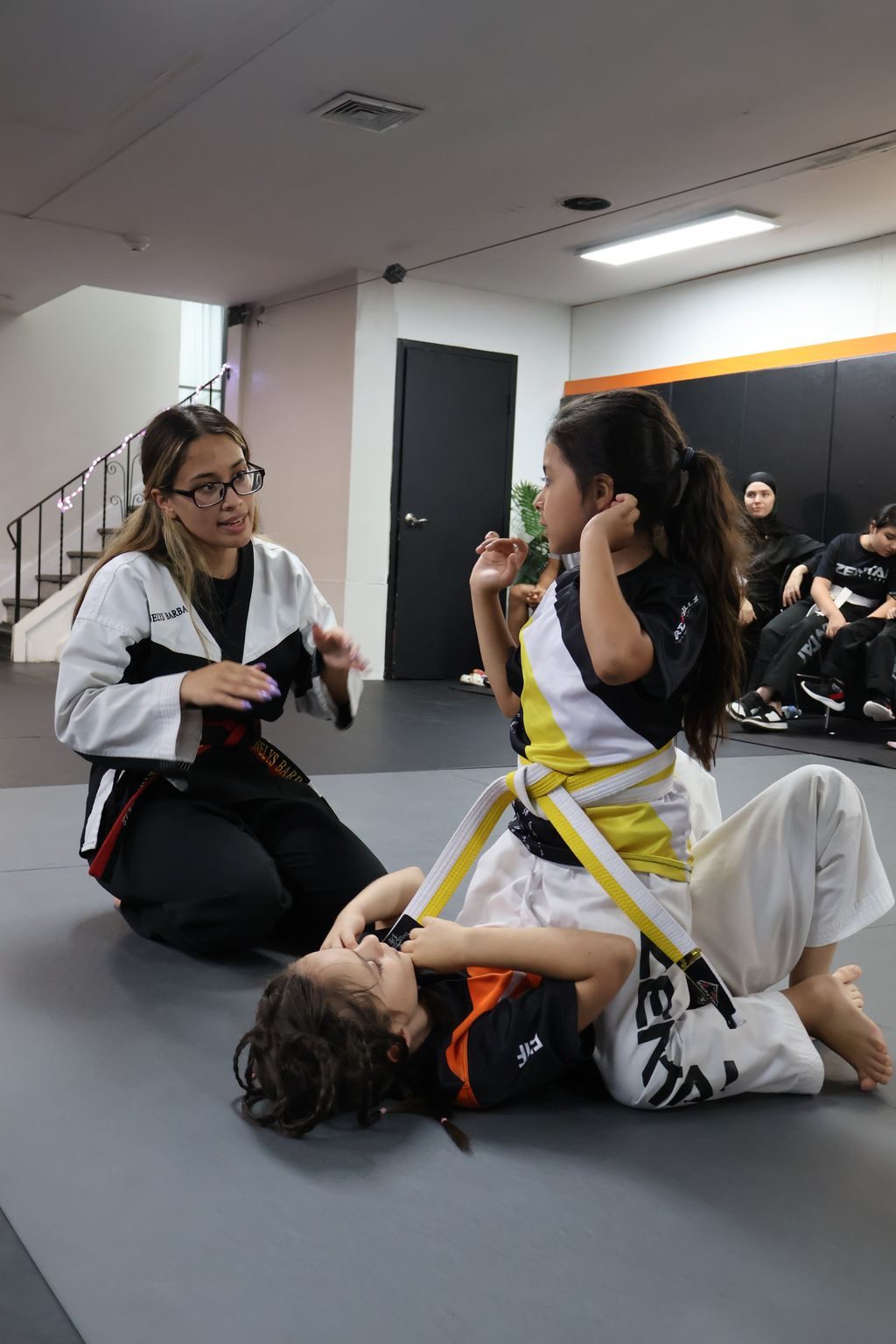
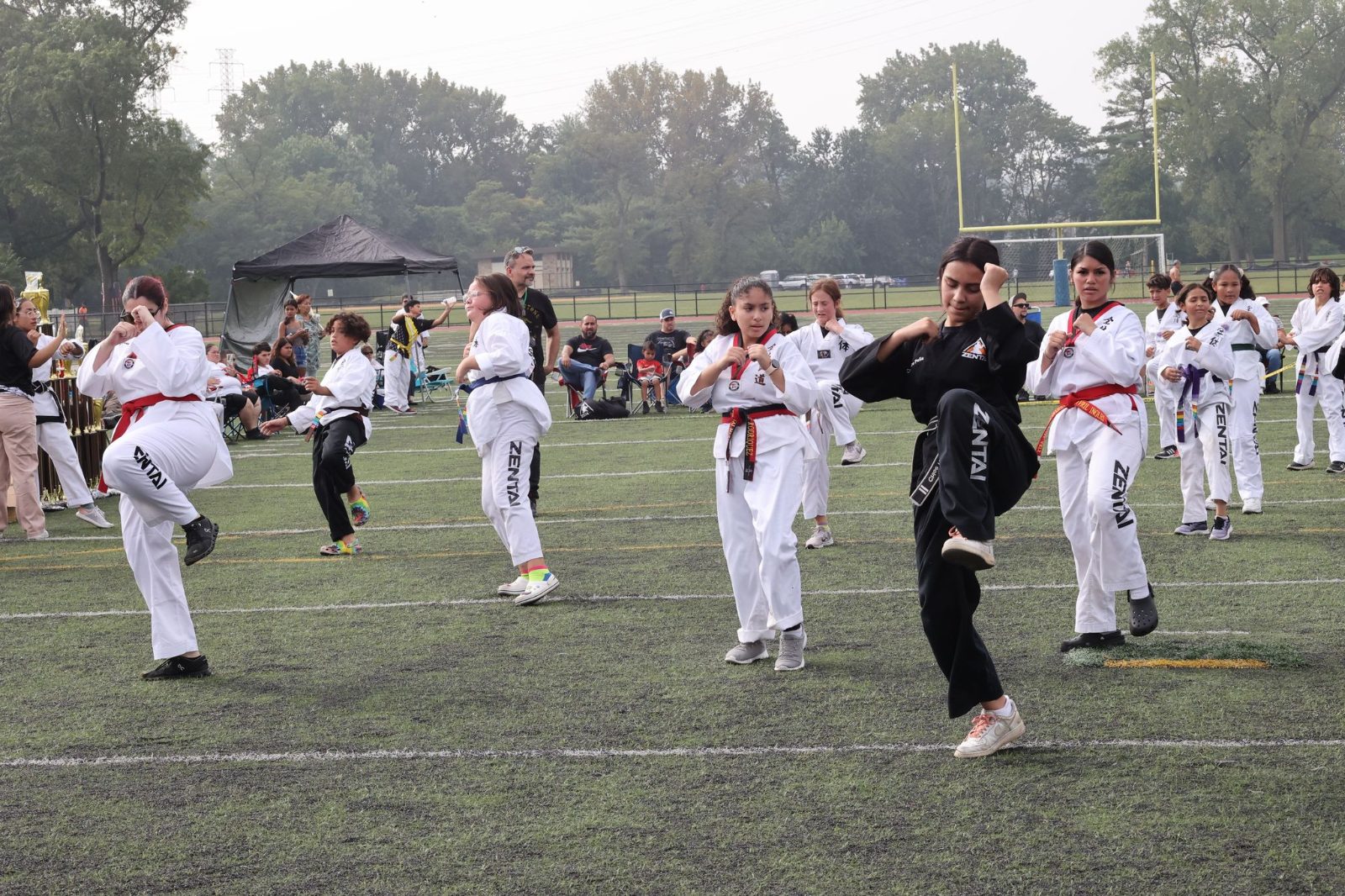
Martial arts breaks movement into small, clear steps. A kick becomes lift the knee, extend, bring it back, put it down. Drills like jumping, balancing, crawling, and kicking build strength and body awareness in a structured, repeatable way. And because every student works at their own level, a child can grow without feeling left behind.
Learning Benefits: Focus, Listening, and Following Directions
Class asks kids to listen to an instructor, remember a short sequence, and act on it. That's practice for attention, memory, and following multi-step directions, skills that carry into school.
Game-based drills help too. When learning feels like play, kids stay engaged longer. And instructors who demonstrate every step, keep directions short, and repeat them consistently make it easier for kids who process language differently to succeed.
Emotional Benefits: Regulation and Confidence
Big feelings can be hard for any child to manage. For some autistic kids, changes in routine, sensory overload, or not being understood can make those feelings even bigger.
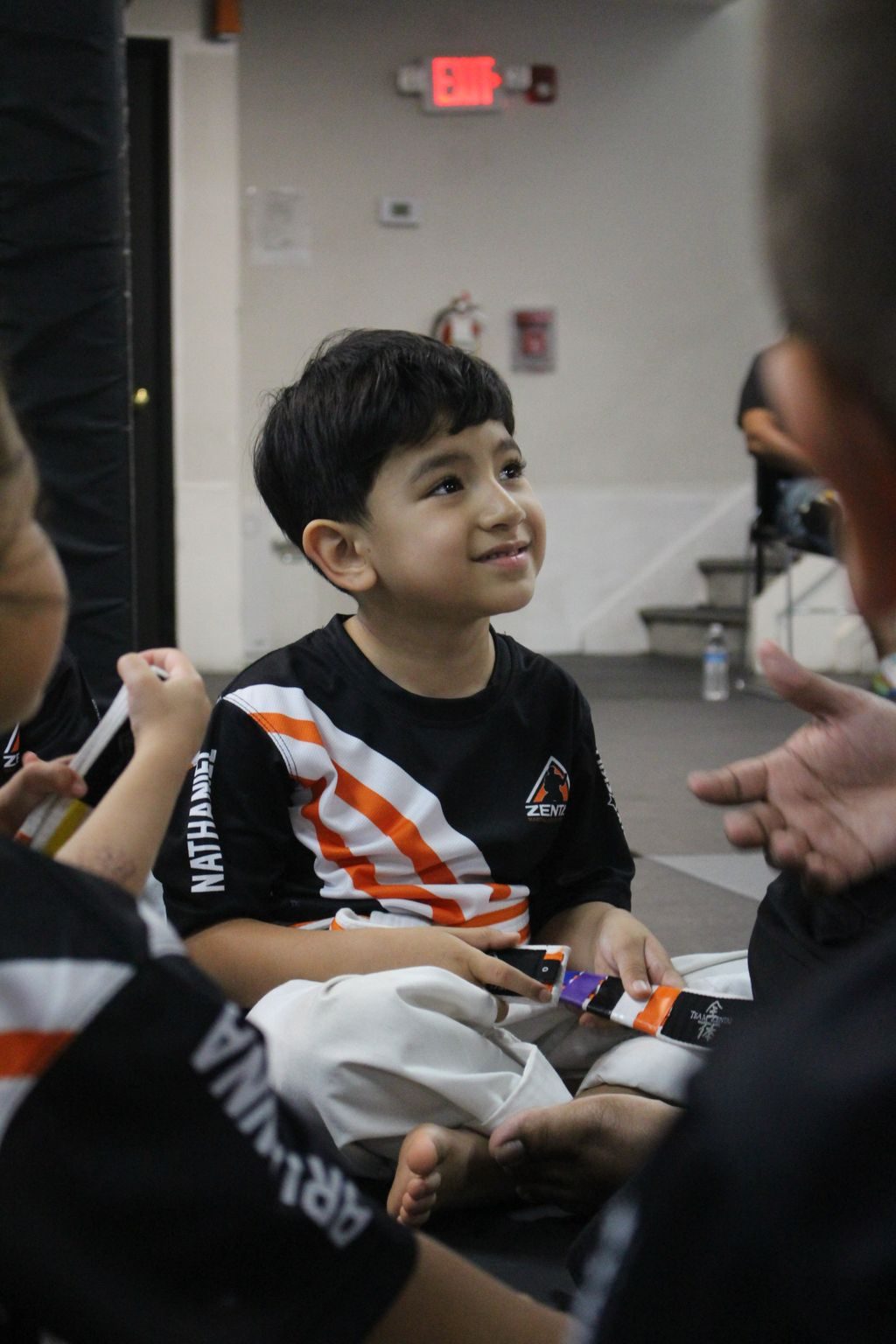
A predictable class gives kids a sense of safety. Breathing, bowing, and moments of stillness are built into martial arts. And earning stripes and new belts, as they attend class and meet technical requirements, gives a child concrete, visible proof that they can do hard things. That kind of confidence is powerful.
Social Benefits: Connection Without Pressure
Many autistic kids want friends and connection, but unstructured social situations, like a busy playground, can be confusing and exhausting.
Martial arts offers a different kind of social setting. The interaction is structured. Everyone bows. Everyone takes turns. Partner drills have clear roles. Kids get to be part of a group, practice greetings and turn-taking, and share an activity with peers, with an instructor guiding the way.
What Should I Look for in a Martial Arts Class for My Autistic Child?
- Ask to talk first. A good program will want to learn about your child before the first class: what helps, what's hard, and what their goals are.
- Watch a class. Look for clear routines, calm instructors, and visual demonstrations.
- Ask about flexibility. Can your child take a break if they need one? Can they start slowly? Is there a quieter class time?
- Look for respect, not pressure. Instructors should encourage without forcing, and never shame a child for struggling.
- Check the culture. Zero tolerance for bullying is a must.
- Stay connected with your care team. Share what works at therapy or school so everyone can use a consistent approach.
How ZENTAI Welcomes Students With Different Needs
At ZENTAI Martial Arts, we are a leadership development academy that uses martial arts as the vehicle, and we have always been an inclusive program. My wife and co-founder, Naomy DePeña, is a licensed special educator, and her background has shaped how we've built ZENTAI from day one. That's why our program and instructors are uniquely prepared to be inclusive to all children.
At our 4 New Jersey locations in Belleville, Clifton, Hackensack, and North Arlington, and our location in the Dominican Republic, kids train in the ZENTAI SKILLZ child development curriculum, grouped by age from Early Skillz (ages 3 to 4) through Teens, with adult classes too. Our instructors coach both character and technique, so kids grow as people and as martial artists. Every class begins and ends with respect, and we have zero tolerance for bullying.
Every child is different, so the best first step is a conversation. Call us and tell our team about your child. We'll talk through what might work best for them.
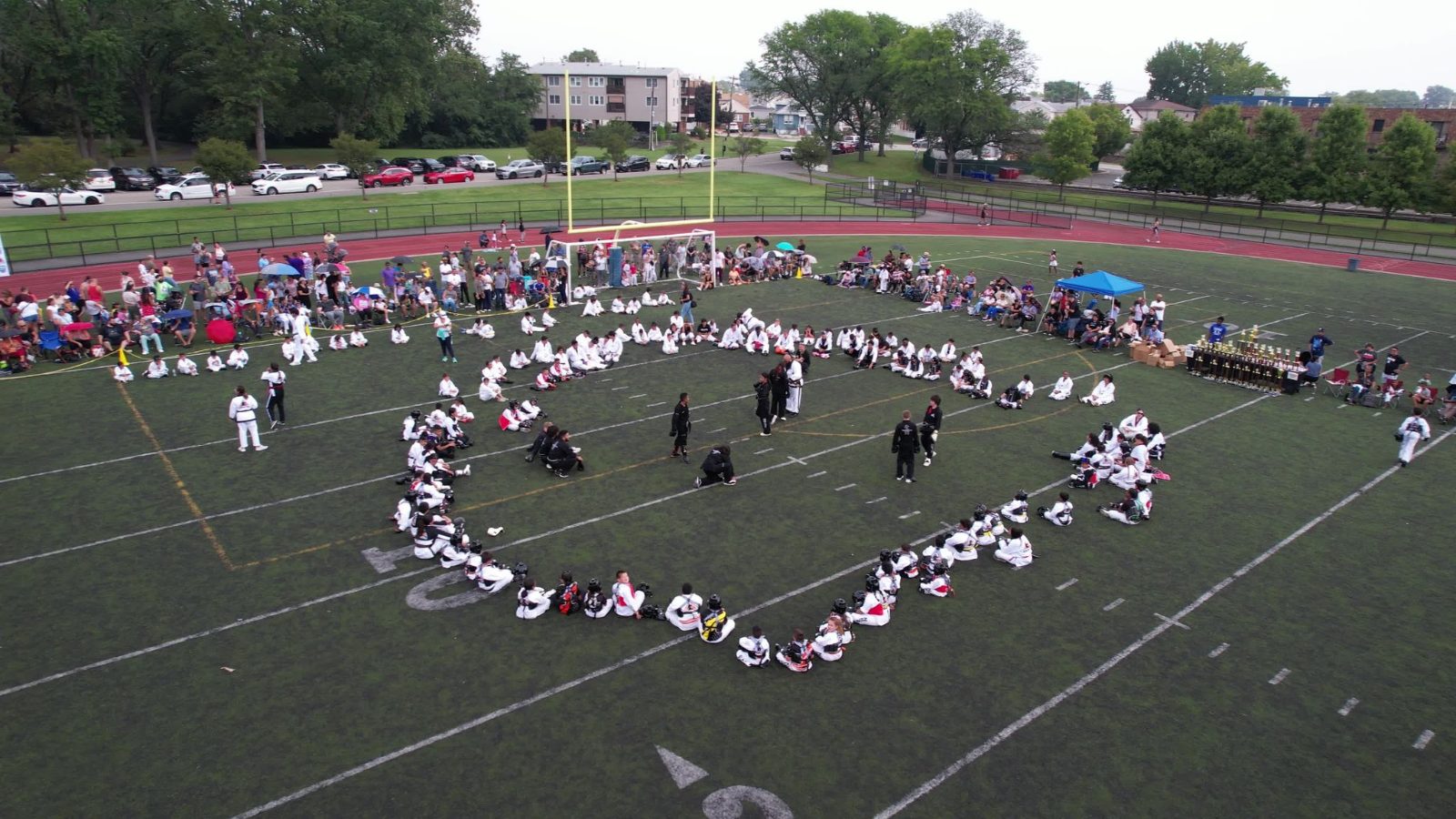
This is more than a martial arts school. It's a village. And there's a place in our ZENTAI family for your child.
Keep Learning With ZENTAI
- Sensory Seeker or Sensory Avoider? Understanding How Your Child Responds to the World
- The Power of Predictability: Daily Routines That Help Kids Feel Safe
- The Wiggle Problem: How Balance and Coordination Affect Your Child's Focus in School
- Early Skillz
Want More? Read Built to Lead
In my book, Built to Lead: Develop Character, Master Influence, and Find Your Purpose, I share what respect means at ZENTAI and why every student is worthy of being seen, heard, and invested in. It's written for parents to read with their preteens and teens.
Get Built to Lead on Amazon. All net proceeds support Heart of ZENTAI, our nonprofit bringing free martial arts and leadership training to children in the Dominican Republic.
Let's Talk About Your Child
We work with kids ages 3 and up, teens, and adults. Visit us in Belleville, Clifton, Hackensack, or North Arlington, NJ, serving families across Essex, Passaic, and Bergen counties.
Book your child's first class at zentai.us or call (201) 431-5425. Tell us about your child's needs, and we'll help you find the right fit.
We Rise By Lifting Others.
Frequently Asked Questions
Related Programs
Find a ZENTAI Location Near You
About the Author
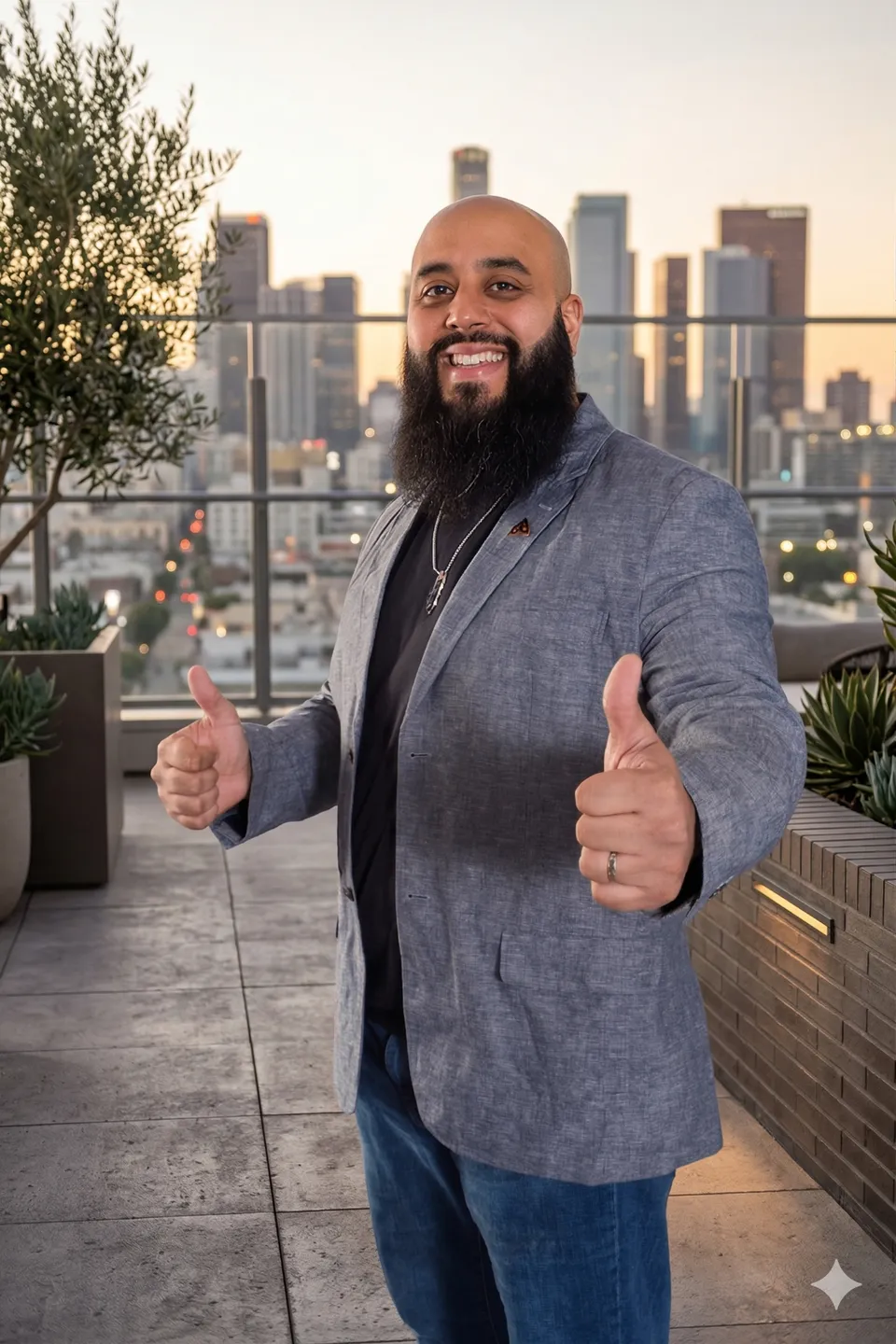
Grandmaster Allen DePeña is the founder of ZENTAI Martial Arts, a leadership development academy with 4 New Jersey locations (Belleville, Clifton, Hackensack, and North Arlington) and 1 in the Dominican Republic, which he built alongside his wife and co-founder, Naomy. He grew up in the Bronx, trained under Grandmaster Tony Morales, and is the author of Built to Lead: Develop Character, Master Influence, and Find Your Purpose. ZENTAI was named #1 Child Development Center of the Year by Skillz Worldwide and holds a 5.0 Google rating from more than 500 reviews.
More about Grandmaster Allen →