The Wiggle Problem: How Balance and Coordination Affect Your Child's Focus in School
The Quick Answer
Balance and coordination affect focus because a child who has to work hard just to sit upright and stay still has less attention left for learning. When core strength, balance, and body awareness become automatic, sitting still takes less effort, and more brainpower goes to listening and thinking. Regular active play and structured movement activities help build those skills.
The note comes home from school. Again.
"He has trouble sitting still during lessons. He's often out of his seat, leaning back in his chair, or lying on the rug during circle time."
You sigh. You talk to him about it. He promises to try harder.
And the next week, another note.
Here's something that might surprise you: sometimes the reason a child can't sit still isn't about willpower at all. Sometimes it's about balance.
How Do Balance and Coordination Affect Focus in School?
We don't think of sitting as a skill. But it is.
To sit upright at a desk for twenty minutes, your child's body is doing a lot of quiet work. Their core muscles are holding them up. Their balance system is keeping them steady. Their brain is tracking where their body is in space, without them ever having to look.
For most adults, that's automatic. For a lot of kids, it isn't yet.
When those skills aren't automatic, a child has to spend attention just keeping their body in place. They slump, wiggle, lean, tip their chair, or wrap their legs around the chair legs. That's their body searching for stability. And every bit of focus they spend on staying upright is focus they can't spend on the teacher.
When balance and coordination become automatic, that brainpower is freed up for listening, remembering, and learning.
Why Can't My Child Sit Still in Class?
There are many possible reasons, and balance is just one. A few pieces that often play a role:
- The vestibular system. Located in the inner ear, it's the body's balance center. It helps with posture, steadiness, and coordination between the eyes and hands.
- Body awareness. Also called proprioception, it's the sense of where your arms, legs, and body are without looking.
- Core strength. Weak trunk muscles make sitting upright tiring.
- Not enough movement. Kids who spend most of the day sitting, at school, in the car, and on screens, may simply not be getting enough active play to develop these skills.
You may have heard people say that boys tend to be more fidgety than girls in class. Maybe you've even noticed it yourself. But every child is different, and there's a huge range within both boys and girls. Focus on your own child, not the stereotype.
And if your child's restlessness is intense, or you're concerned about attention, sensory processing, or coordination, talk with your pediatrician. They can help you figure out what's going on and whether an evaluation, for example with an occupational therapist, would help.
Does Exercise Help Kids Focus in School?
For many kids, yes. Research on physical activity and the brain has linked regular exercise with better attention and memory in children. Movement gets blood flowing to the brain, supports mood, and gives restless bodies a healthy outlet.
But not all movement is equal. Activities that challenge balance, coordination, and body control, while also asking kids to think, tend to give the most bang for the buck. Here are simple ways to build these skills at home:
- Play balance games. Stand on one foot while brushing teeth. Walk along a line of tape on the floor like a tightrope. Freeze in "statue" poses.
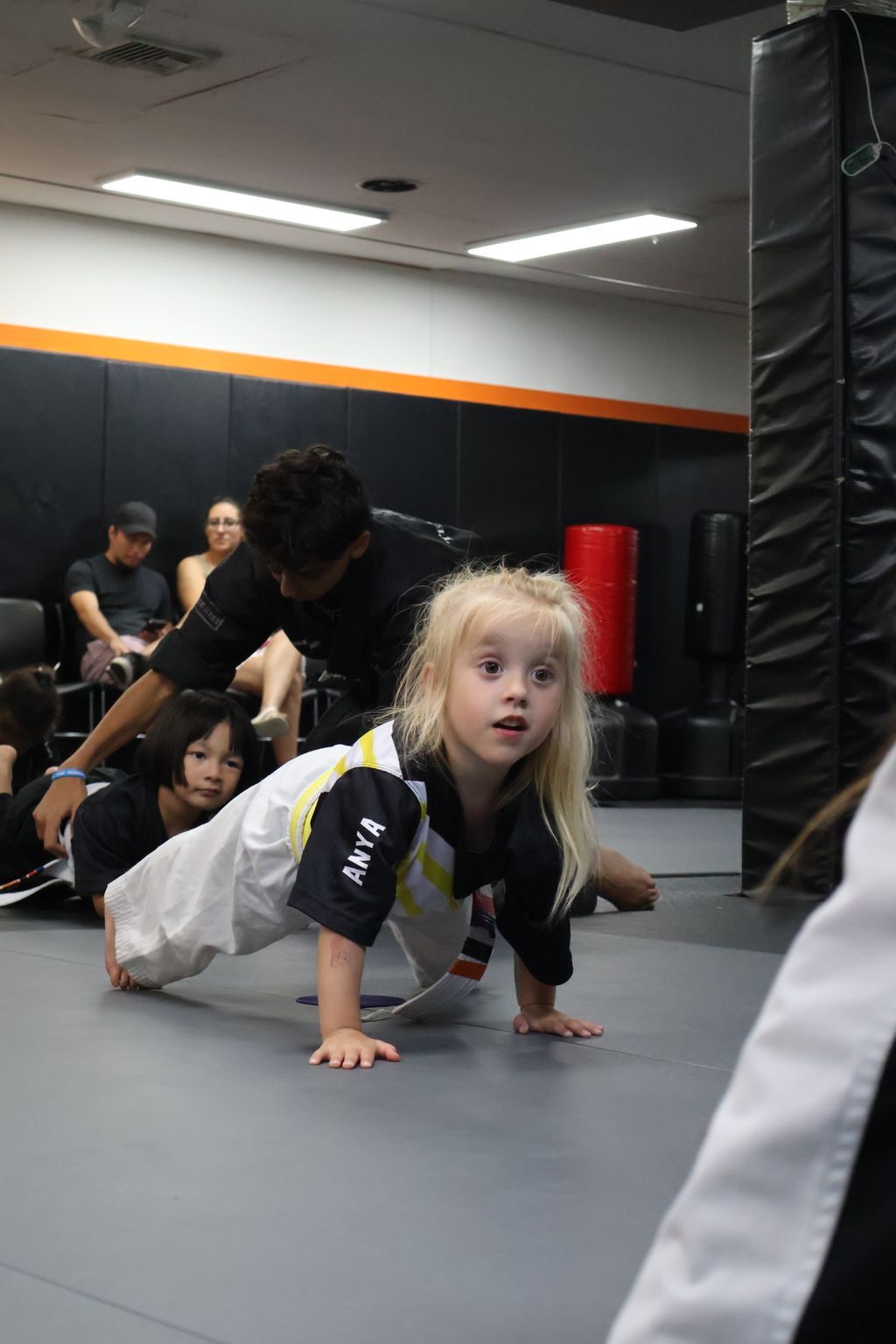
- Build the core. Wheelbarrow walks, bear crawls, and "superman" holds on the floor are fun and effective.
- Climb and swing. Playgrounds are balance gyms. Monkey bars, climbing walls, and swings all train the balance system.
- Ride and roll. Bikes, scooters, and roller skates challenge balance in motion.
- Move before sitting. A few minutes of active play before homework can help the body settle down for focus.
- Try wiggle-friendly seating. A cushion or letting your child stand at the counter for homework can help while their skills grow.
One more tip: be patient with the process. Balance and coordination grow gradually, through lots of repetition. A child who wobbles on one foot today may hold it for ten seconds in a few weeks. Celebrate each small improvement out loud. "You held that longer than yesterday!" Kids who feel their progress are kids who keep practicing.
How the ZENTAI SKILLZ Program Builds Balance, Coordination, and Focus
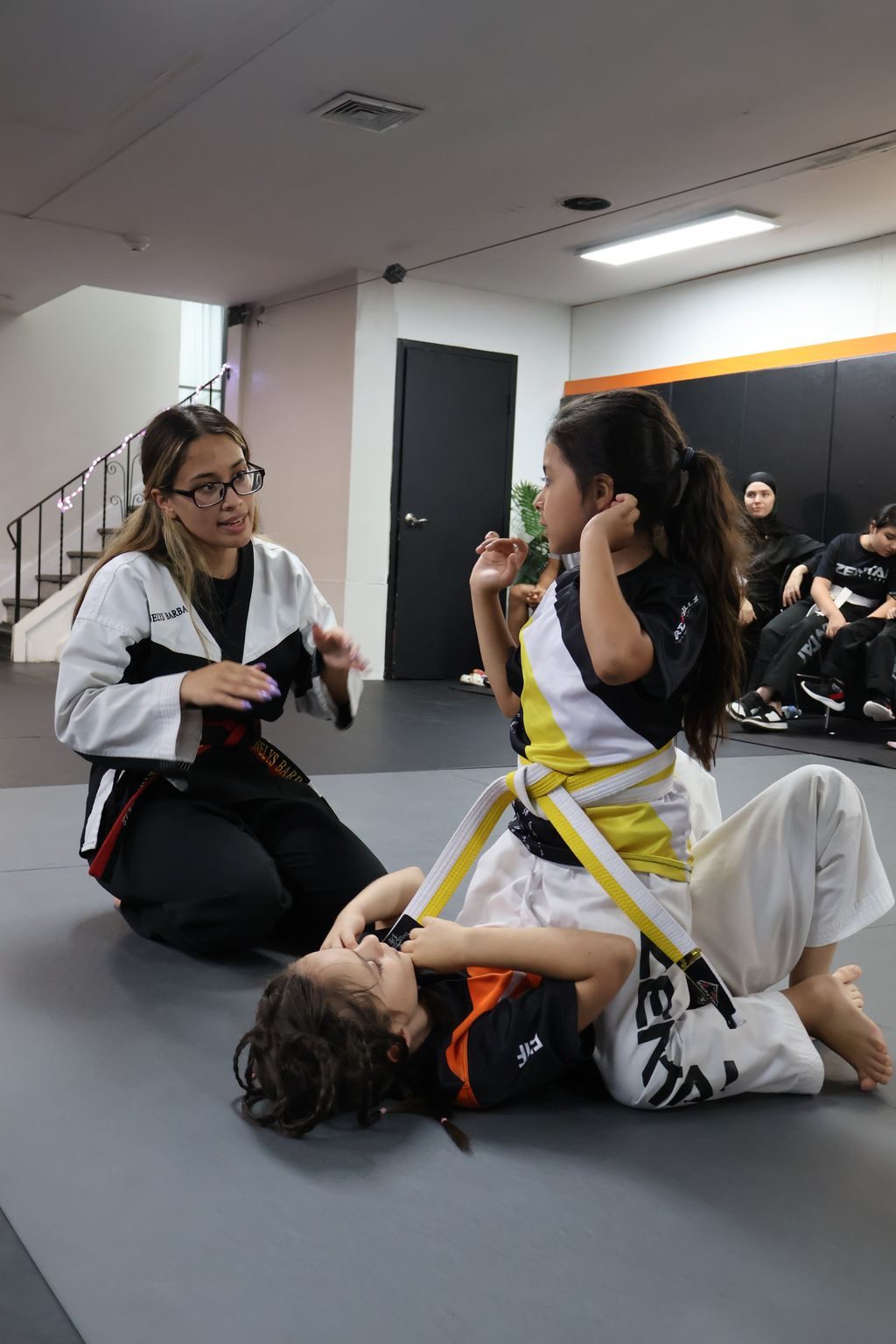
At ZENTAI Martial Arts, we're a leadership development academy that uses martial arts as the vehicle. At our 4 New Jersey locations in Belleville, Clifton, Hackensack, and North Arlington, and our location in the Dominican Republic, every kids class follows the ZENTAI SKILLZ child development curriculum, which trains the body and the brain together.
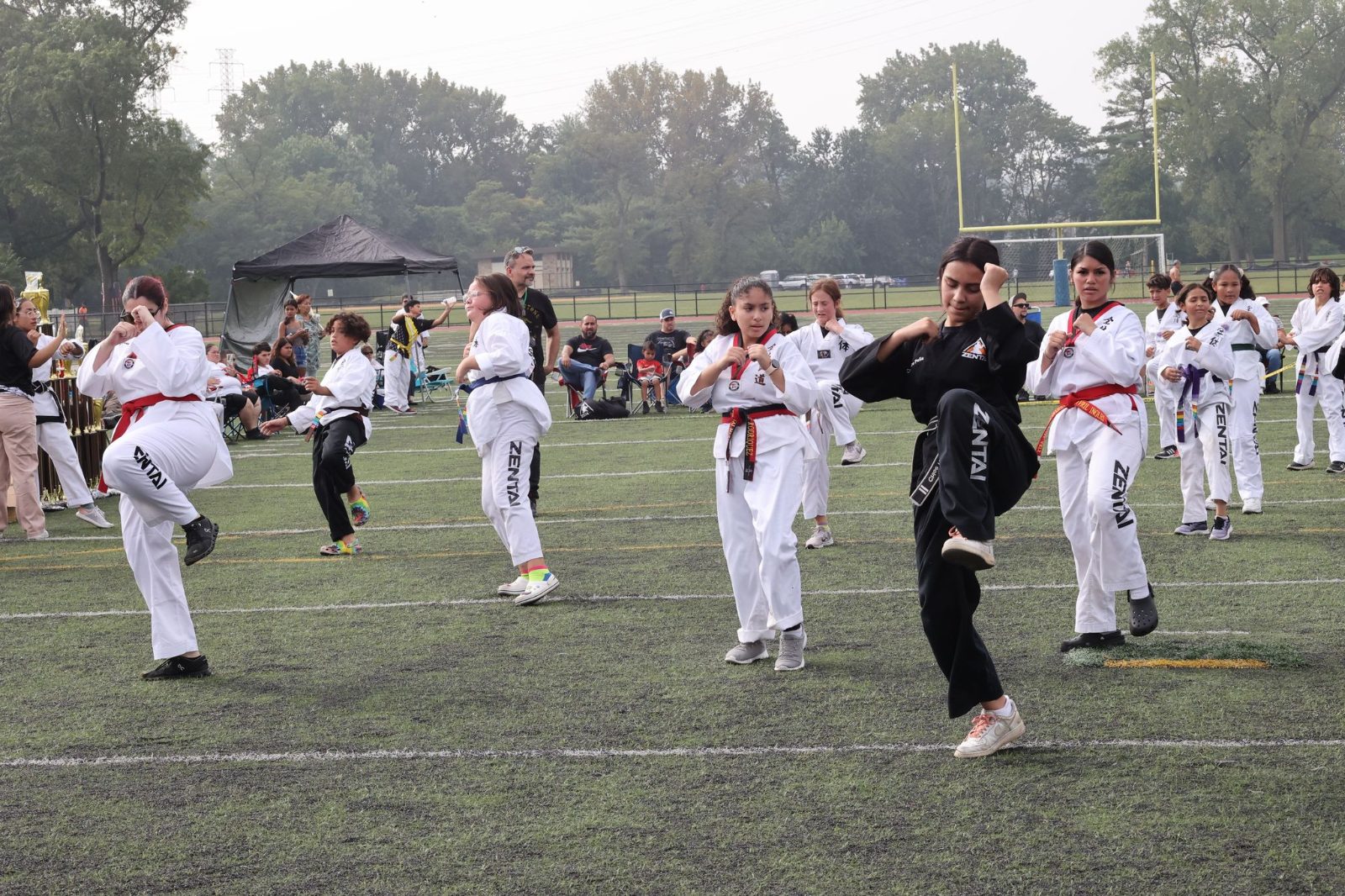
- Balance in every kick. Every kick means standing on one leg while the other moves with control. That's balance training in disguise.
- Coordination through technique. Punches, blocks, and combinations teach kids to coordinate hands, feet, and eyes.
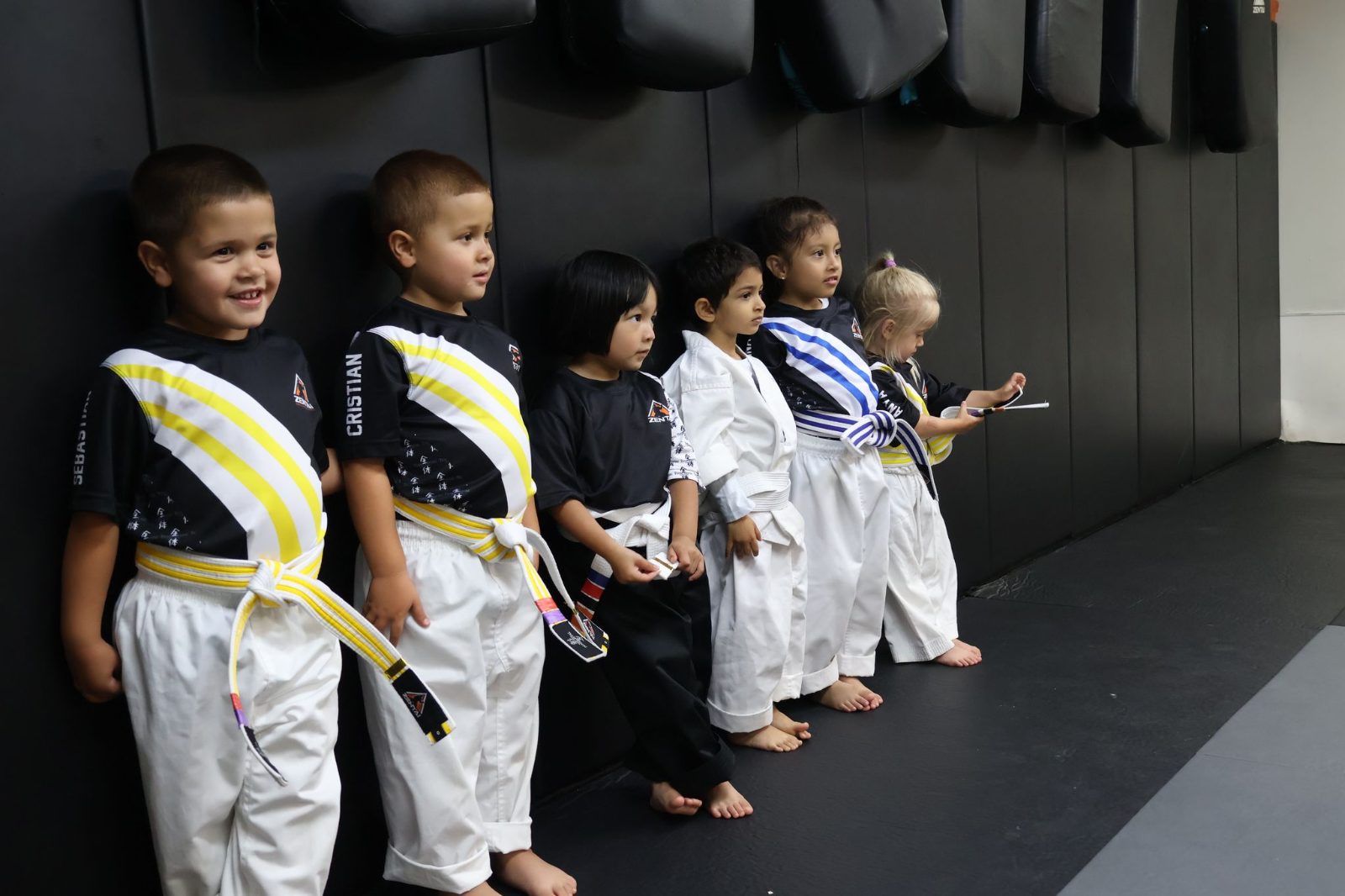
- Age-specific skills. Basic Skillz (ages 5 to 6) focuses on skills like focus, control, balance, and coordination. Each age group trains what it's ready for.
- Stillness as a skill. Holding a ready stance and sitting tall during mat chat are practiced on purpose, and celebrated.
- Thinking while moving. Game-based drills ask kids to listen, remember, and react while their bodies work.
Our instructors are trained in child development, and they coach both character and technique, so kids grow as people and as martial artists. Our co-founder, Naomy DePeña, is a licensed special educator, so our program and instructors are uniquely prepared to be inclusive to all children.
In my book, Built to Lead, I write that there is nothing you can't learn. It may take one person a week to learn something and you a month. That's fine. The question isn't how fast. It's whether you're willing to put in the work. A child who's a little clumsy today isn't stuck that way. They're growing.
This is more than a martial arts school. It's a village. And we'll celebrate every wobbly kick on the way to a strong one.
Keep Learning With ZENTAI
- Crossing the Midline: The Hidden Skill Behind Coordination, Reading, and Writing
- Move to Learn: How Exercise Helps Your Child Focus, Try Harder, and Feel Better
- Is Your Child Ready for School? The Skills That Matter More Than the ABCs
- Basic Skillz
Want More? Read Built to Lead
In my book, Built to Lead: Develop Character, Master Influence, and Find Your Purpose, I share why Growth is one of the Five Core Values of the ZENTAI Warrior, and how to help kids see struggle as progress. It's written for parents to read with their preteens and teens.
Get Built to Lead on Amazon. All net proceeds support Heart of ZENTAI, our nonprofit bringing free martial arts and leadership training to children in the Dominican Republic.
Help Your Child Find Their Balance
We work with kids ages 3 and up, teens, and adults. Visit ZENTAI Martial Arts in Belleville, Clifton, Hackensack, or North Arlington, NJ.
Book your child's first class at zentai.us or call (201) 431-5425. Strong bodies, focused minds.
We Rise By Lifting Others.
Frequently Asked Questions
Related Programs
Find a ZENTAI Location Near You

About the Author
Grandmaster Allen DePeña is the founder of ZENTAI Martial Arts, a leadership development academy with 4 New Jersey locations (Belleville, Clifton, Hackensack, and North Arlington) and 1 in the Dominican Republic, which he built alongside his wife and co-founder, Naomy. He grew up in the Bronx, trained under Grandmaster Tony Morales, and is the author of Built to Lead: Develop Character, Master Influence, and Find Your Purpose. ZENTAI was named #1 Child Development Center of the Year by Skillz Worldwide and holds a 5.0 Google rating from more than 500 reviews.
More about Grandmaster Allen →