Turning Big Emotions Into Teachable Moments
The Quick Answer
To help kids with big emotions, stay calm first, because children borrow calm from the adults around them. Get down to their eye level, name the feeling out loud, comfort before you correct, and offer one small next step once they're settled. Big emotions aren't interruptions to learning. Handled well, they're some of the most important lessons a child will ever get.
It was late in the evening. I had just gotten home and finally sat down when my phone rang.
One of my staff members was on the line, panicking. A terrible rainstorm had hit, and our school was flooding.
I got in my Jeep and drove through streets so flooded I could barely see the sidewalk. When I walked in, staff members were in tears. Students were picking up mats, trying to save whatever they could. The whole room felt like the end of the world.
And in that moment, I had a choice.
I could believe that when something goes wrong, it means disaster. Or I could believe that when something goes wrong, it's a problem to solve, not a reason to panic.
I chose the second one. I didn't pretend it wasn't serious. I just refused to make it catastrophic. I started picking up mats. Then I made a calm video for our families: this happened, it's okay, we're going to get through it.
And people rallied. Families showed up to help. Some brought food. Some made donations. We were back up and running faster than anyone expected.
I tell that story in my book, Built to Lead, because it taught me something every parent needs to know. The people around you follow your emotional state more than your words. When the leader stays calm, everyone else can find their calm too.
Your child's meltdown is their flood. And you're the one walking through the door.
Why Do Kids Have Such Big Emotions?
Children feel everything adults feel. Frustration, disappointment, embarrassment, fear. The difference is that they don't have the tools yet to manage those feelings on their own. The parts of the brain that help with self-control keep developing for years.
So when a child melts down, it isn't a sign that something is wrong with them. It's a sign that they need an adult to help them through it. Child development experts often call this co-regulation: a calm adult helps a child's body and mind settle, and over time, the child learns to do it alone.
That's why at ZENTAI, we don't see emotional breakdowns as interruptions. They are part of the learning.
It's Not the Event. It's the Meaning.
In Built to Lead, I teach a simple sequence: Event, then Belief System, then Meaning, then Emotion. What happens to us doesn't create our feelings on its own. The meaning we give it does.
Here's my favorite example. Imagine a grown man walks up, shoves you, and says, "Let's fight." You'd probably feel your adrenaline spike.
Now imagine a two-year-old waddles up, shoves you, and says the exact same thing. You laugh. "How cute."
Same event. Completely different emotion. Because the meaning changed.
This works for parents too. When your child is screaming on the kitchen floor, you can give it the meaning "My kid is out of control and I'm failing." Or you can give it the meaning "My kid is having a hard moment, and this is my chance to teach them something." The second one keeps you steady. And your steadiness is exactly what your child needs to borrow.
What Should I Do When My Child Has a Meltdown?
Here's the same approach our instructors use on the mat, adapted for home.
- Calm yourself first. Take one slow breath before you say anything. Lower your voice. You can't give your child calm you don't have.
- Get low. Kneel or sit so you're at their eye level. Standing over an upset child can feel intimidating. Eye level says, "I'm here with you."
- Name the feeling. "You look really frustrated." "You're disappointed we have to leave." Dr. Daniel Siegel calls this "name it to tame it." Putting words to a feeling helps a child make sense of it.
- Comfort before you correct. A hand on the shoulder. Sitting close by. A hug if they want one. Deal with the behavior after they feel safe, not before.
- Offer one small next step. Once they're calmer, give them something doable. "Let's take two deep breaths together, then try again." "Let's grab a snack, then finish the homework."
Later, when everyone is relaxed, you can talk about what happened. That's where the teachable moment really lands: "When you felt that frustrated, what could you try next time?"
How ZENTAI Instructors Handle Big Emotions in Class
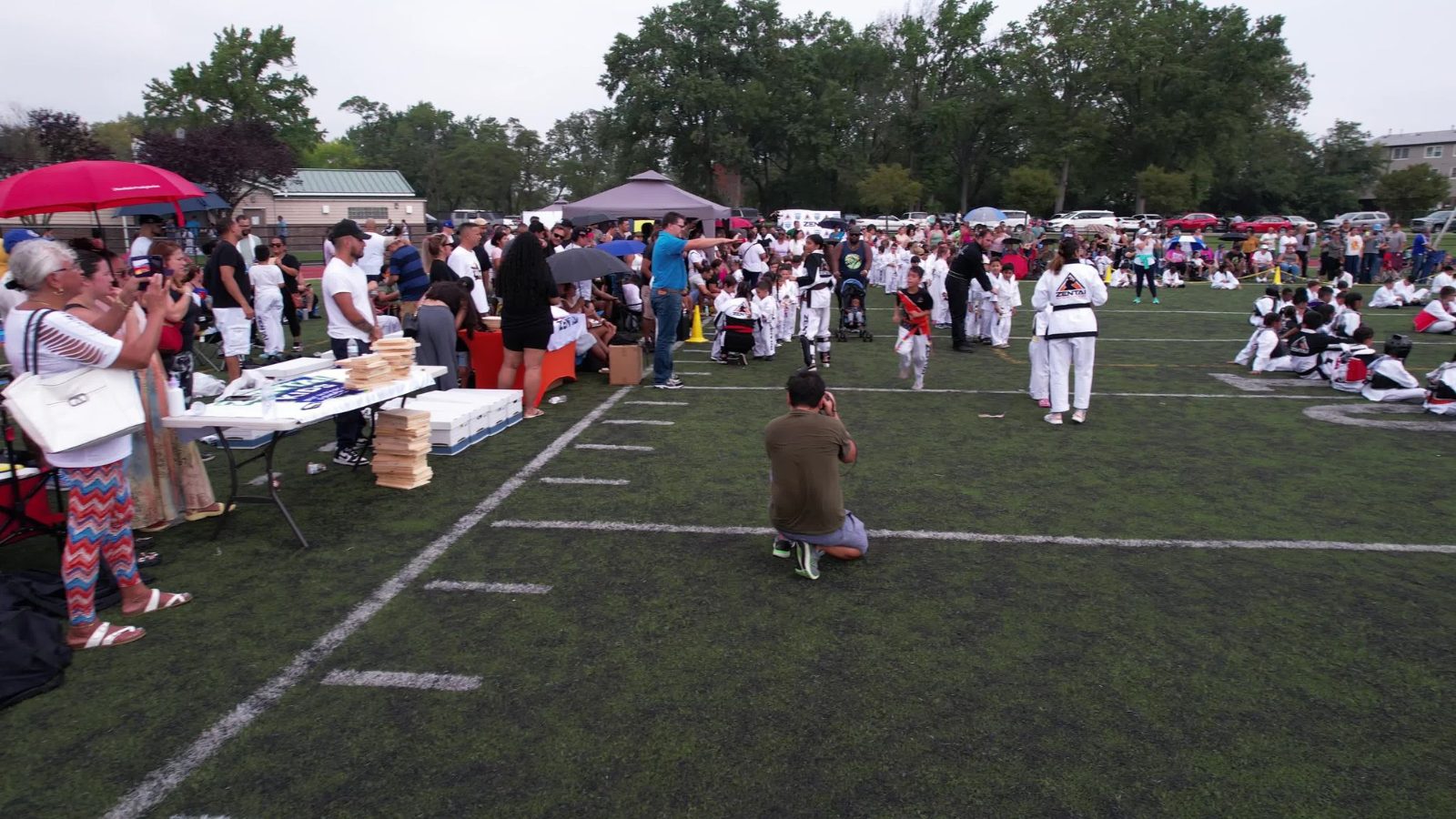
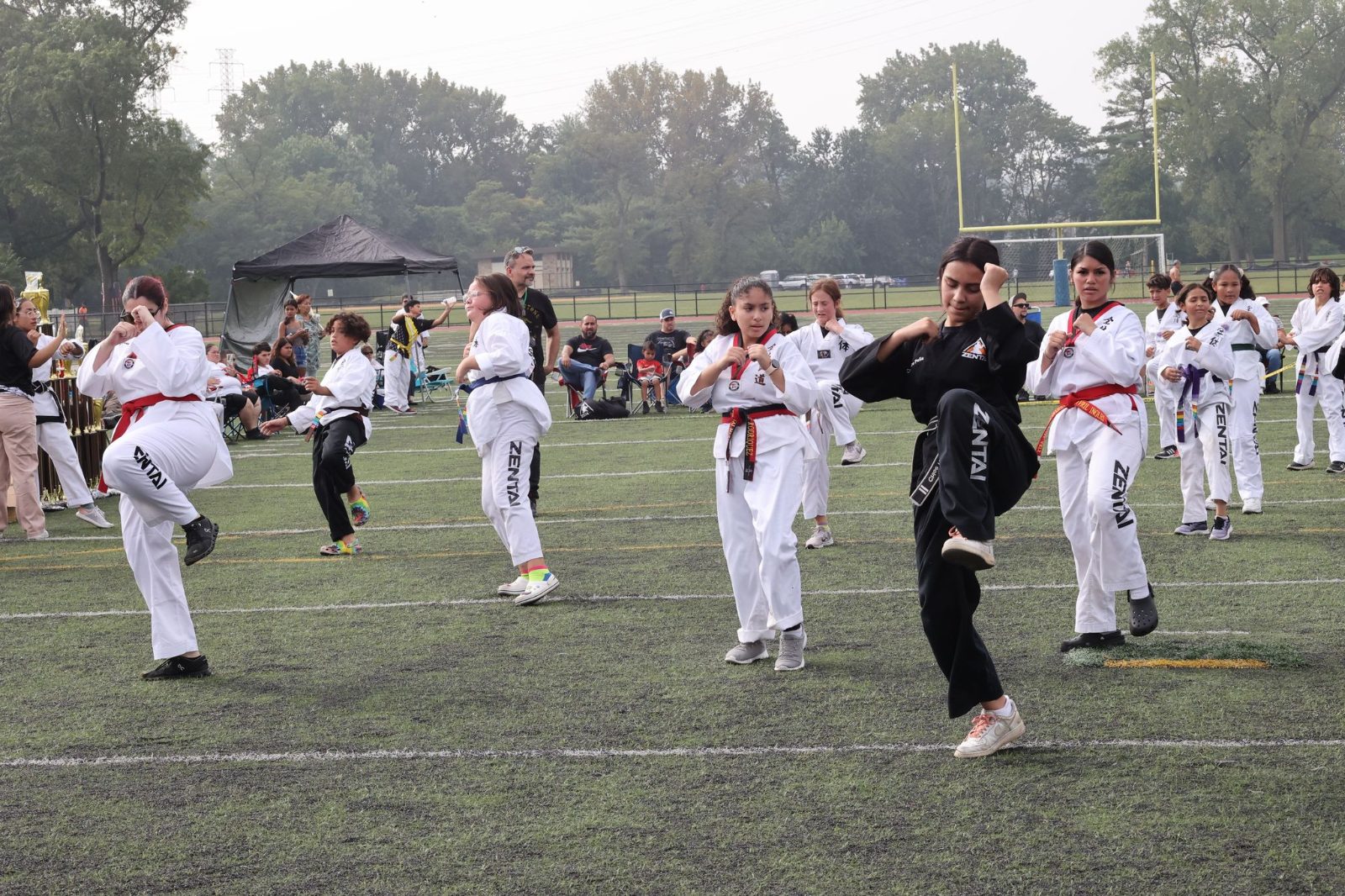
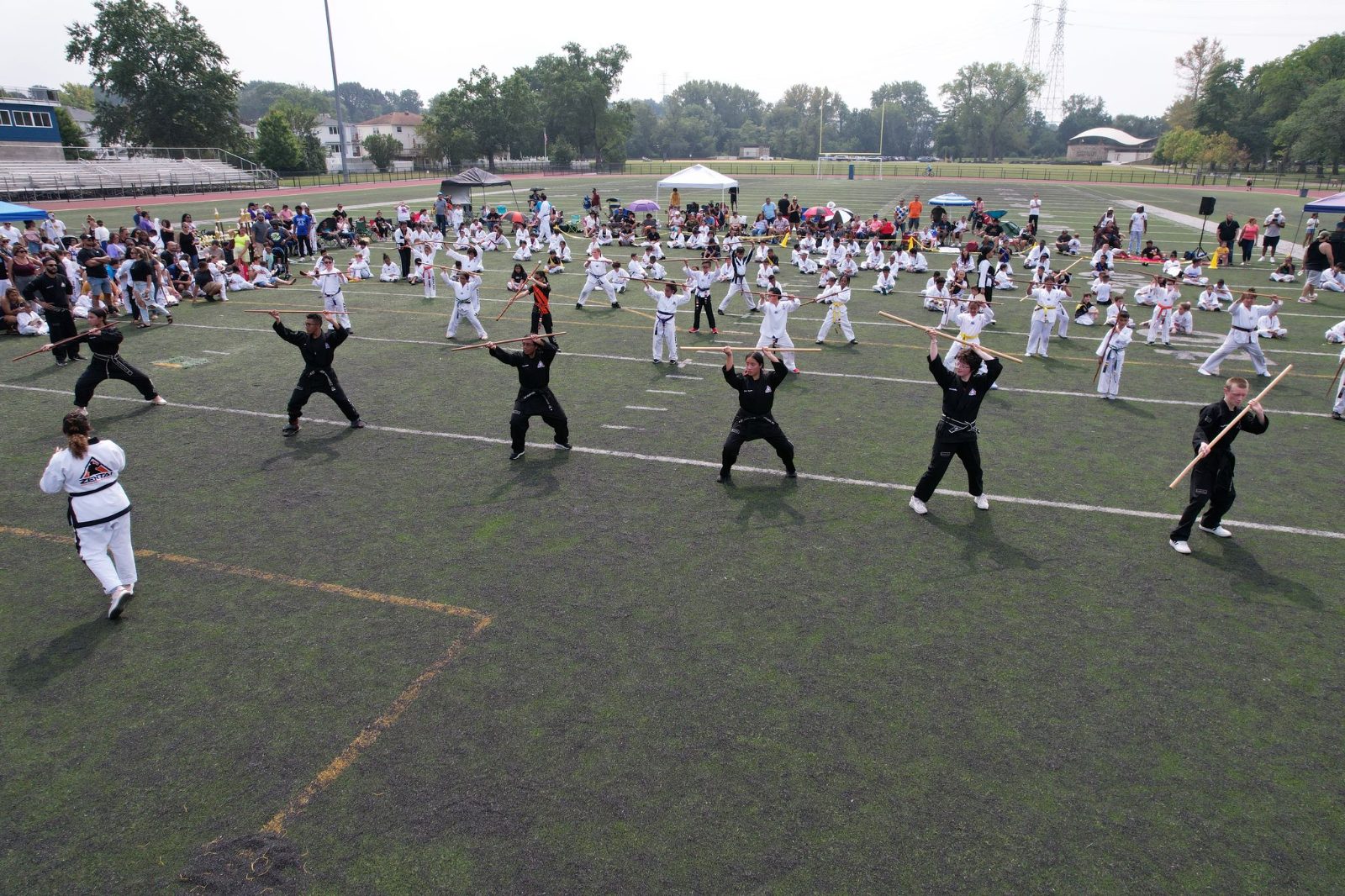
At ZENTAI Martial Arts, we are a leadership development academy that uses martial arts as the vehicle. Emotional control is a skill, just like a front kick or a balance drill. So we practice it.
When a child gets overwhelmed in class, one instructor gives them focused, calm attention while the rest of the class keeps going with a quick, fun activity, like animal walks, a freeze game, or a martial arts version of Simon Says. That way, the child who needs support gets it, and everyone else keeps learning.
Every class follows the ZENTAI SKILLZ child development curriculum, so instructors know what emotional skills are realistic at each age, from Early Skillz (ages 3 to 4) through Extreme Skillz (10 to 14) and Teens. Our instructors coach both character and technique, so kids grow as people and as martial artists.
And in the ZENTAI SKILLZ program, we connect this to the Whole Self. Taking care of your soul, your inner emotional life, means being honest about what you feel and learning what to do with it. That's a lesson for kids and for adults.
Through Parent SKILLZ, we share tools like patience, attunement, and nurturing, so parents can use the same approach at home. Because this is more than a martial arts school. It's a village. At our 4 New Jersey locations in Belleville, Clifton, Hackensack, and North Arlington, and our location in the Dominican Republic, we help families grow through the hard moments together.
If your child's emotional outbursts are frequent, intense, or getting in the way of school and daily life, please talk with your pediatrician or a licensed child therapist. Extra support is a sign of strength, not failure.
Keep Learning With ZENTAI
- Rapid Resets: 6 Quick Ways to Calm Your Child's Emotional Flood
- Tantrums and Meltdowns: How to Stay Calm When Your Child Can't
- The River of Well-Being: Helping Your Child Stay Between Chaos and Rigidity
Want More? Read Built to Lead
In my book, Built to Lead: Develop Character, Master Influence, and Find Your Purpose, I share the full flooding story and the Event, Belief System, Meaning, Emotion framework for mastering emotions. It's written for parents to read with their preteens and teens.
Get Built to Lead on Amazon. All net proceeds support Heart of ZENTAI, our nonprofit bringing free martial arts and leadership training to children in the Dominican Republic.
Help Your Child Build Emotional Strength
We train kids ages 3 and up, teens, and adults. Visit us in Belleville, Clifton, Hackensack, or North Arlington, NJ.
Book your child's first class at zentai.us or call (201) 431-5425. Big feelings are welcome here.
We Rise By Lifting Others.
Frequently Asked Questions
Find a ZENTAI Location Near You

About the Author
Grandmaster Allen DePeña is the founder of ZENTAI Martial Arts, a leadership development academy with 4 New Jersey locations (Belleville, Clifton, Hackensack, and North Arlington) and 1 in the Dominican Republic, which he built alongside his wife and co-founder, Naomy. He grew up in the Bronx, trained under Grandmaster Tony Morales, and is the author of Built to Lead: Develop Character, Master Influence, and Find Your Purpose. ZENTAI was named #1 Child Development Center of the Year by Skillz Worldwide and holds a 5.0 Google rating from more than 500 reviews.
More about Grandmaster Allen →