Rapid Resets: 6 Quick Ways to Calm Your Child's Emotional Flood
The Quick Answer
Quick calming strategies for kids work by switching on the body's natural "rest and relax" system, which the vagus nerve helps run. Simple resets include slow breathing with a longer exhale, blowing bubbles or a pinwheel, humming, gentle stretching, cross-body movement, and a quiet squeeze or hug. Once your child's body is calm, you can talk about what happened and make a plan for next time.
Imagine a grown man walks up to you, shoves you, and says, "Let's fight."
Your heart pounds. Your face gets hot. Adrenaline floods your body.
Now imagine the same shove comes from a two-year-old. A little guy who can barely stand, waddling up to you, pushing your leg, and announcing he wants to fight.
You don't get angry. You laugh. "How cute. This little guy thinks he's so tough."
Same event. Completely different emotion.
In my book, Built to Lead, I use that example to explain a simple chain: Event, Belief, Meaning, Emotion. Something happens. Our beliefs give it a meaning. And that meaning creates the emotion we feel. The event didn't make you angry or make you laugh. The meaning did.
Adults can learn to catch that chain and change it. But when a child is in the middle of an emotional flood, there's no chain to catch. Their body is already flooded. Before they can change the meaning, they need to calm the body.
That's what rapid resets are for.
What Happens in a Child's Body During an Emotional Flood?
When a child feels threatened, embarrassed, or overwhelmed, the brain's alarm system goes off. The body shifts into "fight or flight." Heart rate climbs. Breathing gets fast and shallow. Muscles tense.
In that state, the thinking part of the brain is hard to reach. That's why talking a flooded child through logic rarely works. And it's why anxious kids sometimes look defiant. Their body is in survival mode.
Kids also react differently depending on their age, their language skills, and their temperament. Some children are simply wired to react more strongly. That's not a flaw. It just means they'll use these tools more often.
What Is the Vagus Nerve, and How Does It Help Kids Calm Down?
The body has a built-in counterbalance to fight or flight. It's sometimes called the "rest and digest" system, and one of its main pathways is the vagus nerve. It's a long nerve that runs from the brainstem through the neck, near the voice box, and down into the chest and belly.
When this calming system is active, heart rate slows and the body relaxes. The good news is that some simple actions, like slow breathing, seem to help nudge the body in that direction.
You'll see a lot of big claims online about "hacking" the vagus nerve. I'd keep it simple. These are gentle, safe tools that many families find helpful. They're not a treatment. If your child struggles with frequent or intense anxiety, please talk with your pediatrician or a licensed mental health professional.
6 Rapid Resets for Kids
- Make the exhale longer. Breathe in through the nose for a count of three, then out slowly through the mouth for a count of five or six. Heart rate naturally dips a little on the exhale, so a longer exhale helps the body settle.
- Blow it out. For little ones, turn breathing into play. Blow bubbles, spin a pinwheel, or "blow out the birthday candles" on your fingers.
- Hum or sing. Humming a favorite song slows breathing and gives a busy brain something steady to focus on. Many kids find the vibration soothing.
- Stretch like a cat. On hands and knees, slowly arch the back up like a cat, then let the belly drop like a cow. Slow, gentle movement helps release tension.
- Cross the midline. Slow cross-body moves, like touching each hand to the opposite knee, give the brain a simple, rhythmic task and help it reset.
- Squeeze and release. Have your child squeeze their fists or give you a big bear hug for a few seconds, then let go. Tension, then release.
Practice these when your child is calm, not just in the middle of a meltdown. Tools that are familiar are much easier to reach for when the flood comes.
After the Reset: Change the Meaning
Once your child's body is calm, their thinking brain comes back online. Now you can go back to the chain.
In Built to Lead, I explain that when something doesn't go the way we planned, there are only two positive moves: take action, or change how you feel about it by giving it a new meaning.
So with an older child, you might ask: "What happened? What did you tell yourself it meant? Is there another way to look at it? And what can we do about it now?" A lost game can mean "I'm terrible" or it can mean "I found out what to practice." Same event. Different meaning.
How the ZENTAI SKILLZ Program Teaches Kids to Reset
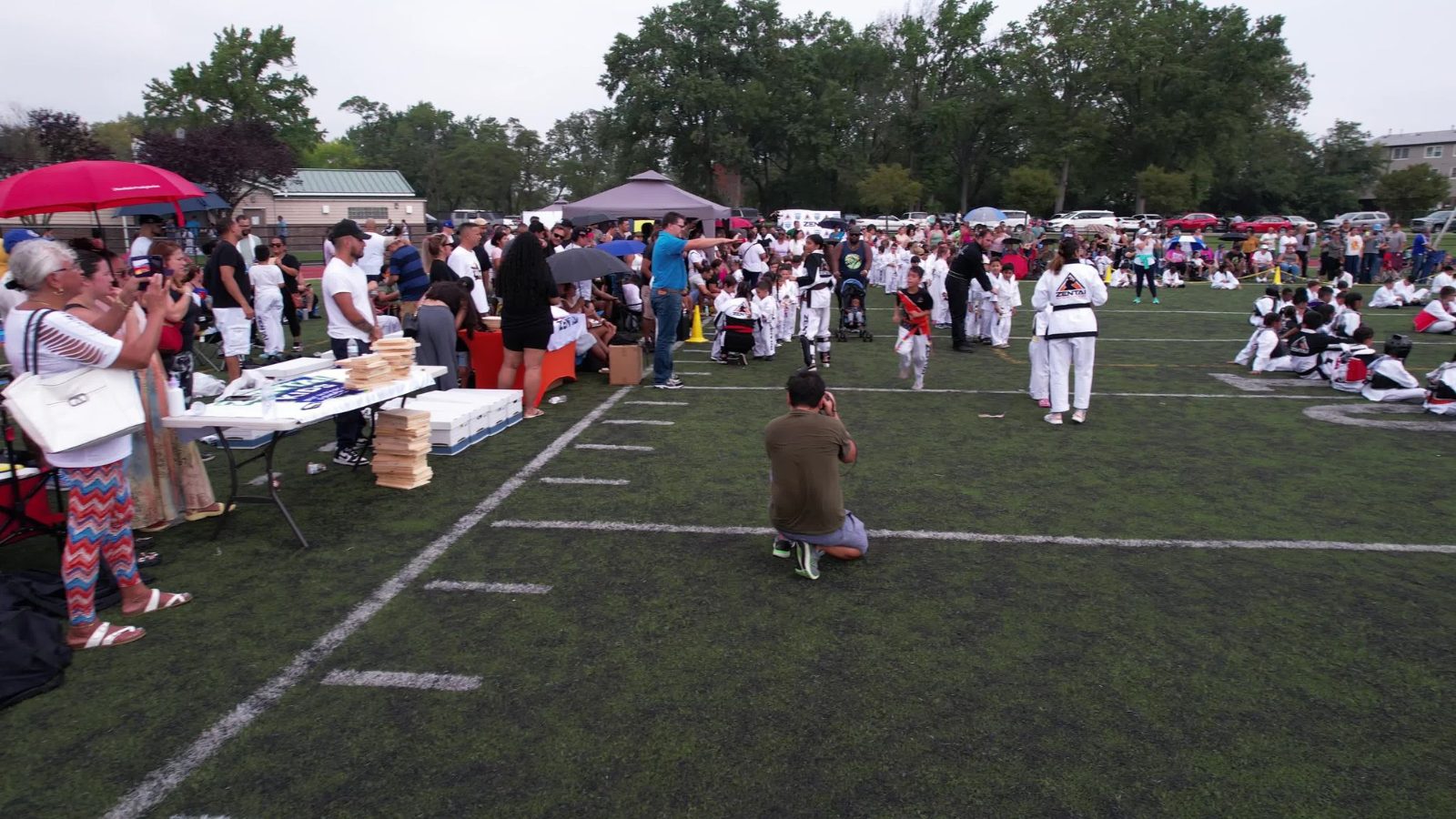
At ZENTAI Martial Arts, we're a leadership development academy that uses martial arts as the vehicle. At our 4 New Jersey locations in Belleville, Clifton, Hackensack, and North Arlington, and our location in the Dominican Republic, every kids class follows the ZENTAI SKILLZ child development curriculum. Our instructors are trained in child development, and they coach both character and technique, so kids grow as people and as martial artists.
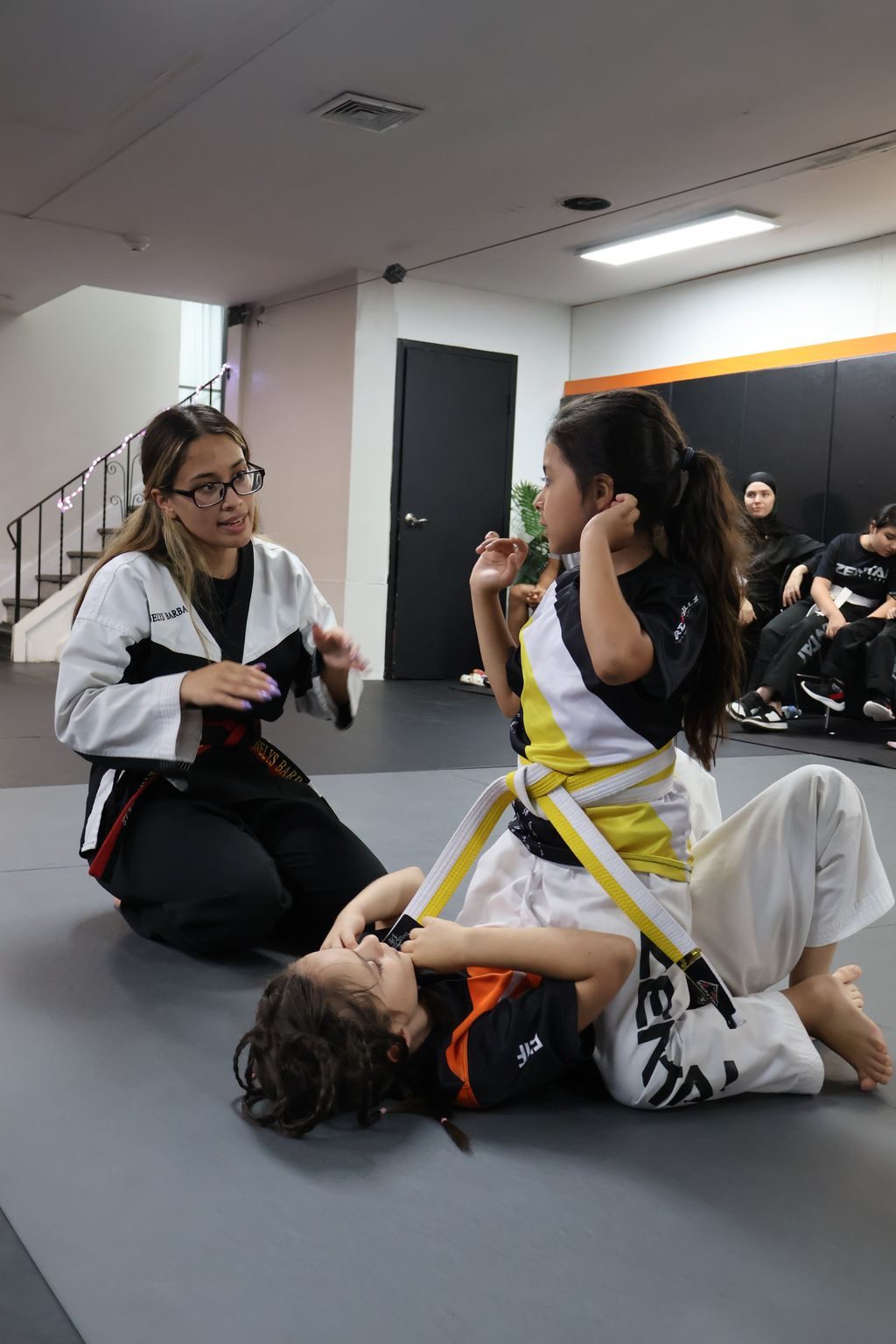
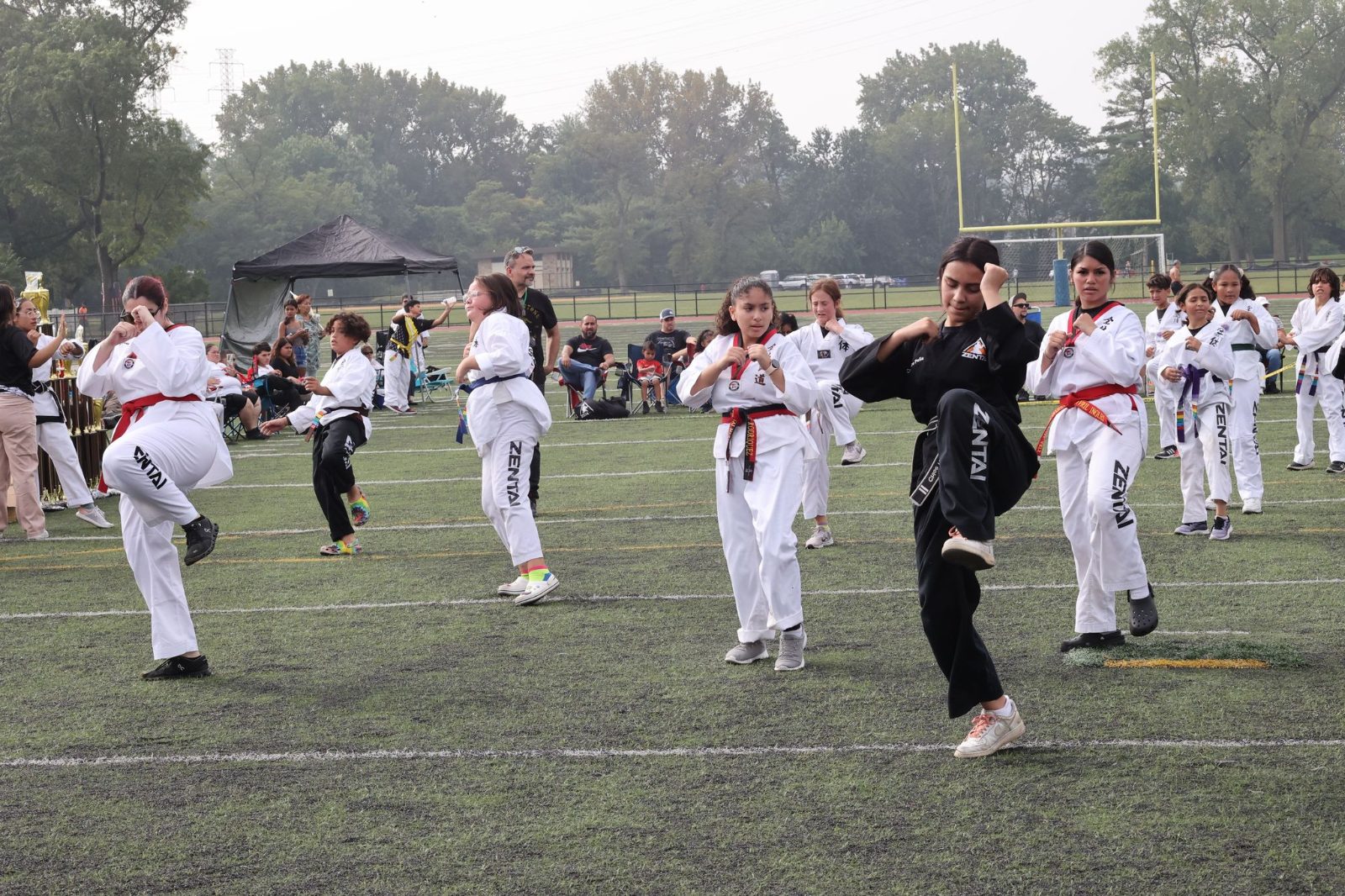
In class, instructors use Teaching SKILLZ like redirection, prompting, and intrinsic motivation to help kids reset without stopping the whole class, and to bring a room full of excited kids back to calm. Martial arts also teaches breath control and stillness as part of the technique itself.
Our co-founder, Naomy DePeña, is a licensed special educator, so our program and instructors are uniquely prepared to be inclusive to all children. And through Parent SKILLZ, we help parents stay attuned and patient when the flood comes. This is more than a martial arts school. It's a village, and we're here to help your family build calm together.
Keep Learning With ZENTAI
- Calm Is Contagious: How Co-Regulation Leads to Better Behavior
- Turning Big Emotions Into Teachable Moments
- Mindful Strategies for When Your Child Doesn't Want to Go to Class
Want More? Read Built to Lead
In my book, Built to Lead: Develop Character, Master Influence, and Find Your Purpose, I break down Event, Belief, Meaning, Emotion, and how not to have bad days. It's written for parents to read with their preteens and teens.
Get Built to Lead on Amazon. All net proceeds support Heart of ZENTAI, our nonprofit bringing free martial arts and leadership training to children in the Dominican Republic.
Build Calm, Confident Kids at ZENTAI
We work with kids ages 3 and up, teens, and adults, and adults need a reset button too. Visit ZENTAI Martial Arts in Belleville, Clifton, Hackensack, or North Arlington, NJ.
Book your child's first class at zentai.us or call (201) 431-5425.
We Rise By Lifting Others.
Frequently Asked Questions
Find a ZENTAI Location Near You

About the Author
Grandmaster Allen DePeña is the founder of ZENTAI Martial Arts, a leadership development academy with 4 New Jersey locations (Belleville, Clifton, Hackensack, and North Arlington) and 1 in the Dominican Republic, which he built alongside his wife and co-founder, Naomy. He grew up in the Bronx, trained under Grandmaster Tony Morales, and is the author of Built to Lead: Develop Character, Master Influence, and Find Your Purpose. ZENTAI was named #1 Child Development Center of the Year by Skillz Worldwide and holds a 5.0 Google rating from more than 500 reviews.
More about Grandmaster Allen →