Calm Is Contagious: How Co-Regulation Leads to Better Behavior
The Quick Answer
Co-regulation is when a calm adult helps a child settle their body and emotions through connection, a steady voice, and simple tools like deep breathing. It works because an upset child's thinking brain goes temporarily offline, so lectures and consequences don't land. Once the child is calm, they can listen, reflect, and learn a better choice. Over time, kids learn to calm themselves.
One evening, I had just gotten home and finally sat down to relax when my phone rang. It was one of my staff members, and she was panicking.
"The school is flooding."
A terrible rainstorm had hit, and water was pouring into our dojo. I jumped in my Jeep. The streets were so flooded I could barely get through. When I pulled up, I couldn't even see the sidewalk.
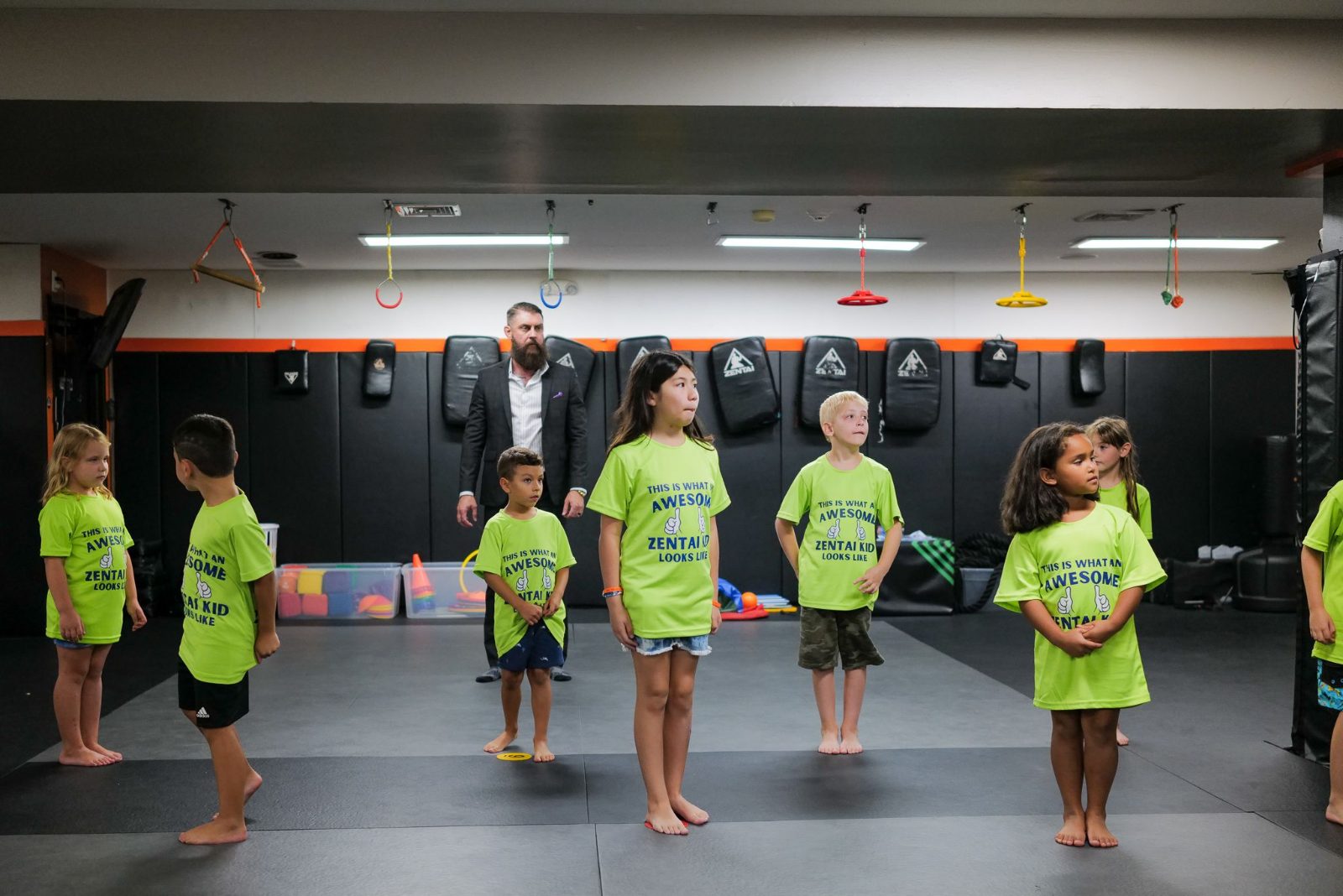
I walked in and found staff members in tears. Students were picking up mats, trying to save whatever they could. The whole room felt like doomsday.
In that moment, I had a choice. I could catch the panic in that room. Or I could bring something different into it.
I chose calm. I told myself, "This is serious, but it's a problem to solve." I started picking up mats. Then I recorded a video for our families. Calm. Positive. "This just happened. It's okay. We're going to get through it."
And people rallied. Families showed up to help. Some brought food. Some donated. We were back up and running faster than anyone expected.
Here's what I learned, and what I write about in Built to Lead: people follow the emotional state of their leader more than they follow their words. Emotions are contagious. And at home, the leader is you.
What Is Co-Regulation?
Co-regulation is what happens when a calm adult lends their calm to a child who's lost theirs.
When a child is overwhelmed, frustrated, or embarrassed, the part of their brain responsible for listening, reasoning, and self-control goes temporarily offline. The alarm system takes over. In that state, a lecture won't land. A threat won't land. Even a really good explanation won't land.
That's not defiance. That's biology.
What a flooded brain needs first is to feel safe. And the fastest way for a child to feel safe is to be near an adult who is calm. Your steady voice, your relaxed body, and your patience tell their nervous system, "We're okay. You can settle down now."
In the book, I put it this way: if you're a parent, your emotional state affects your kids. It shapes their nervous systems. Your calm is not just a nice thing to have. It's a tool.
Why Doesn't Discipline Work When My Child Is Upset?
Because you're trying to teach a lesson to a brain that can't take it in yet.
Think about the last time you were truly furious. If someone had calmly explained the logic of the situation in that moment, would it have helped? Probably not. You needed to cool down first.
Kids are the same, only their "cool down" skills are still under construction.
This doesn't mean there are no boundaries. It means the boundary gets taught when the brain is ready to learn it. Calm first. Then teach.
How to Co-Regulate With Your Child: 5 Steps
- Check your own state first. Before you respond, take one breath. Lower your shoulders. You can't give calm you don't have.
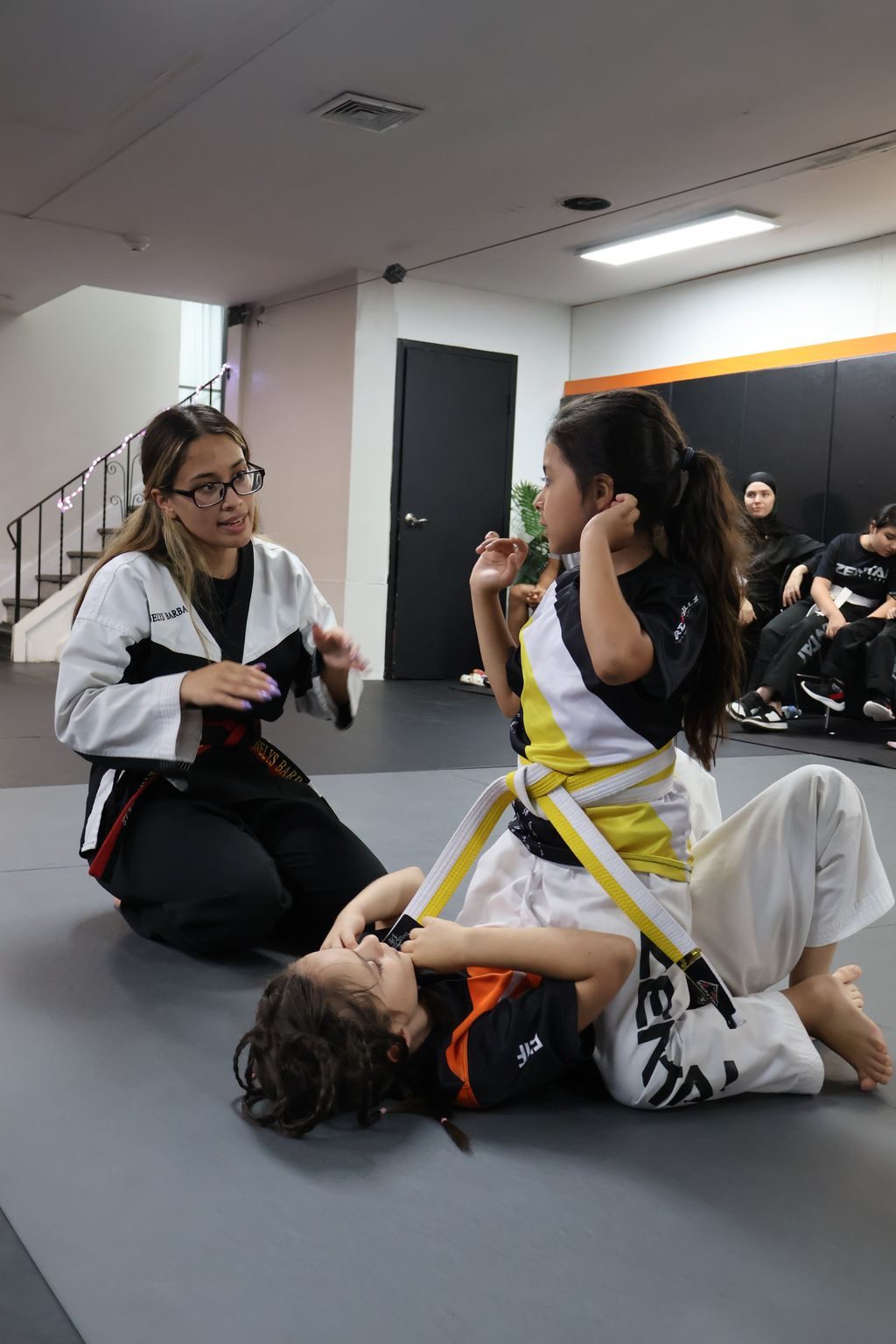
- Get on their level. Kneel or sit so you're at eye level. Standing over an upset child can feel like a threat.
- Name what you see. "You're really frustrated that you lost the game." Naming a feeling helps a child's brain start to make sense of it.
- Breathe together. "Let's take three slow breaths together." Breathe with them, not at them. Your rhythm helps set theirs.
- Teach once they're calm. Now ask the questions we use at ZENTAI: "What happened? And what are you going to do differently next time?" Then help them repair and rejoin.
It won't work perfectly every time. It doesn't have to. What matters is that your child experiences, again and again, what calm feels like. Eventually, they'll learn to find it on their own.
And don't forget to take care of your own calm. It's hard to lend what you don't have. Sleep, a moment to yourself, and support from other parents all refill your tank, so you have more steadiness to share when your child needs it.
What Co-Regulation Looks Like in a ZENTAI Class
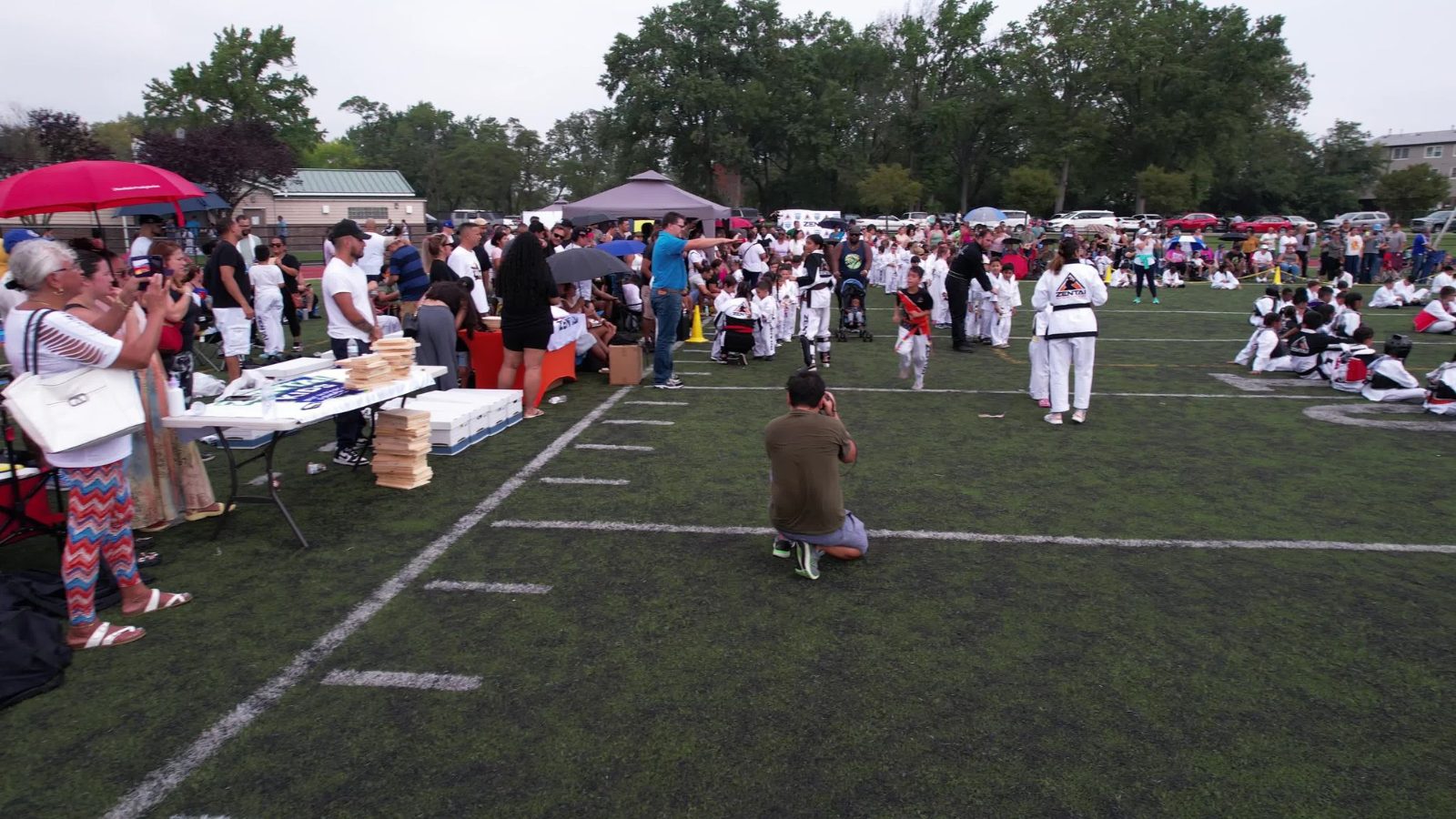
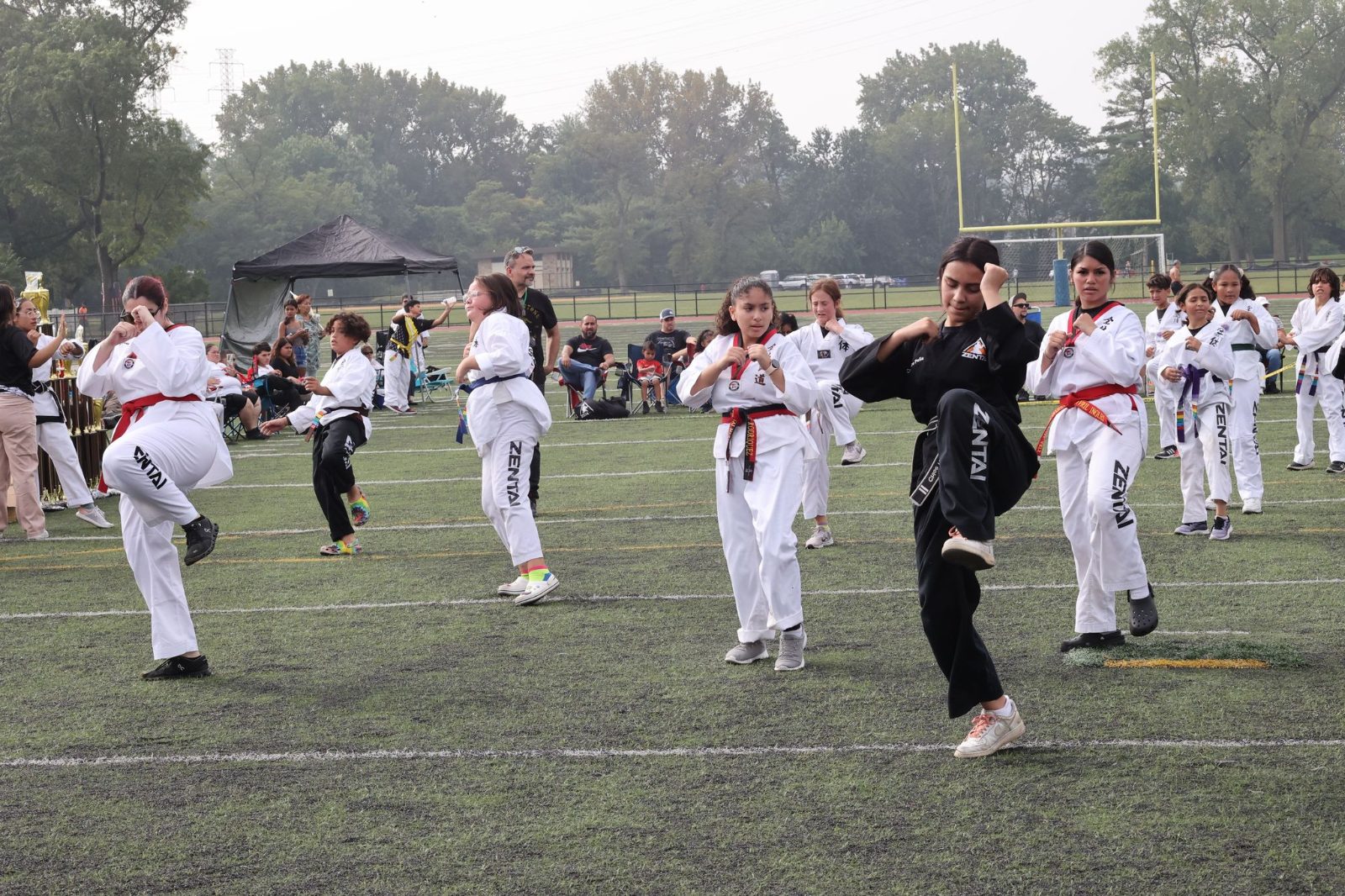
At ZENTAI Martial Arts, we're a leadership development academy that uses martial arts as the vehicle. At our 4 New Jersey locations in Belleville, Clifton, Hackensack, and North Arlington, and our location in the Dominican Republic, every kids class follows the ZENTAI SKILLZ child development curriculum.
Say a seven-year-old loses a game at the end of class and bursts into tears. In a lot of settings, that child might get a warning or a lecture about being a good sport.
Here's what our instructors in the ZENTAI SKILLZ program are trained to do instead. They kneel down. They say, "I can see you're really upset about losing. That makes sense. Losing is hard." They breathe with the child. And once the child has settled, they talk about what a black belt does after a loss, and help them jump back in.
Our instructors coach both character and technique, so kids grow as people and as martial artists. Handling a loss with respect is part of the technique of being a good martial artist.
We also teach parents the same tools through Parent SKILLZ, which includes attunement, patience, and nurturing. Because when home and the mat respond to big feelings the same way, kids learn faster. This is more than a martial arts school. It's a village. And a village stays calm together.
You Set the Temperature
Your child is going to have floods. Every child does. The question isn't whether the water will come in. It's what they'll see on your face when it does.
Bring calm into the room. It's contagious.
Keep Learning With ZENTAI
- Rapid Resets: 6 Quick Ways to Calm Your Child's Emotional Flood
- Turning Big Emotions Into Teachable Moments
- Quiet Parenting: How to Stop Yelling at Your Kids
Want More? Read Built to Lead
In my book, Built to Lead: Develop Character, Master Influence, and Find Your Purpose, I share the full flooding story and what it taught me about Emotional Power and emotional contagion. It's written for parents to read with their preteens and teens.
Get Built to Lead on Amazon. All net proceeds support Heart of ZENTAI, our nonprofit bringing free martial arts and leadership training to children in the Dominican Republic.
Bring Your Child to ZENTAI
We work with kids ages 3 and up, teens, and adults. Visit ZENTAI Martial Arts in Belleville, Clifton, Hackensack, or North Arlington, NJ.
Book your child's first class at zentai.us or call (201) 431-5425. Let's build calm, confident kids together.
We Rise By Lifting Others.
Frequently Asked Questions
Find a ZENTAI Location Near You

About the Author
Grandmaster Allen DePeña is the founder of ZENTAI Martial Arts, a leadership development academy with 4 New Jersey locations (Belleville, Clifton, Hackensack, and North Arlington) and 1 in the Dominican Republic, which he built alongside his wife and co-founder, Naomy. He grew up in the Bronx, trained under Grandmaster Tony Morales, and is the author of Built to Lead: Develop Character, Master Influence, and Find Your Purpose. ZENTAI was named #1 Child Development Center of the Year by Skillz Worldwide and holds a 5.0 Google rating from more than 500 reviews.
More about Grandmaster Allen →