Your Child's Temperament Isn't a Problem. It's Raw Material.
The Quick Answer
Child temperament is the natural way a child reacts to the world, including how they handle change, new people, and big emotions. Researchers Stella Chess and Alexander Thomas described three common types: easy, difficult (often called spirited), and slow to warm up. No type is better or worse. You manage temperament best by understanding it, adjusting your approach, and reframing it as a strength.
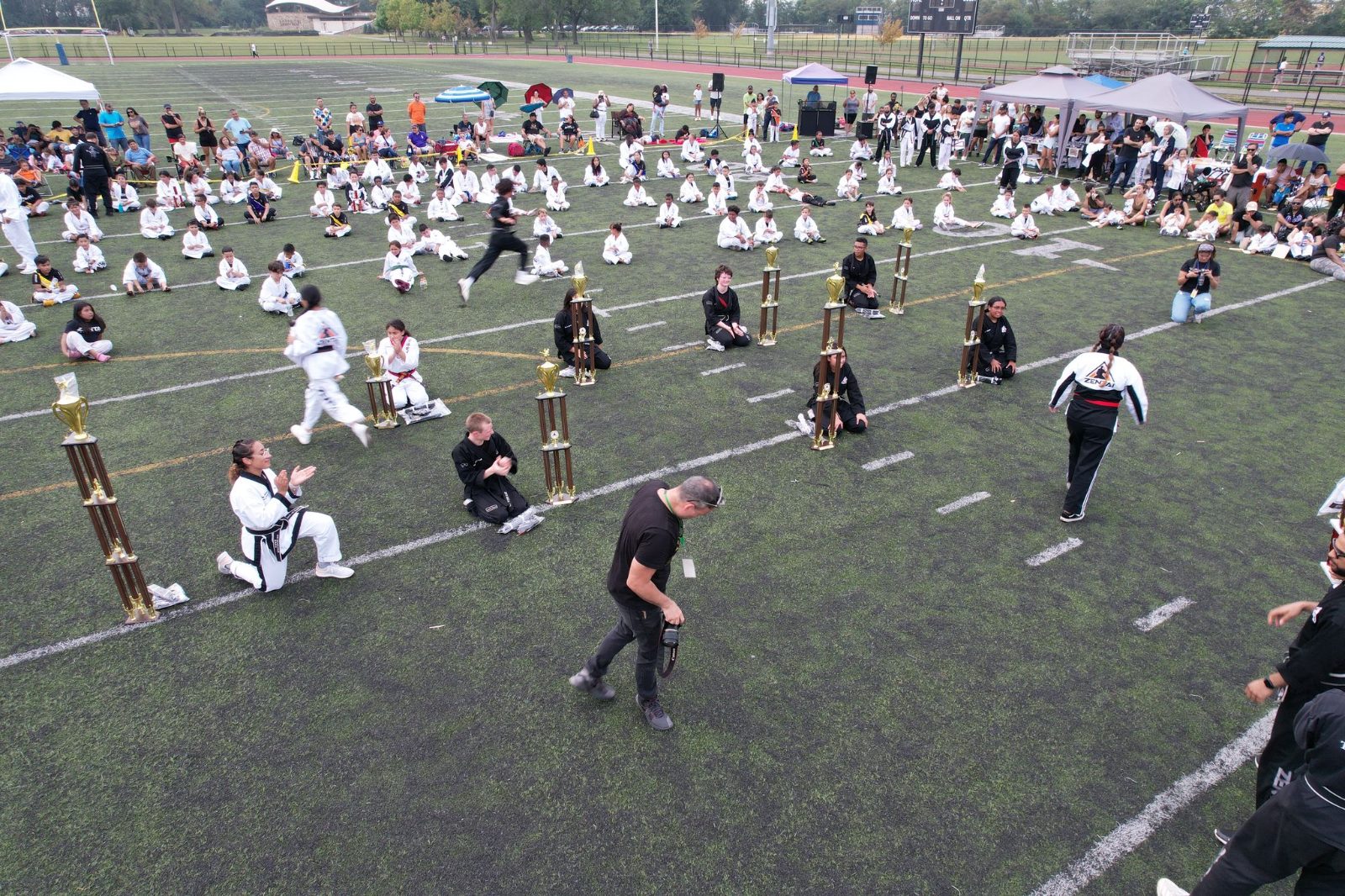
Parents bring all kinds of labels through our doors at ZENTAI.
"She cries every time she loses."
"He's so stubborn. He never listens."
"They're all over the place."
Every one of those sounds like a problem. But in my book, Built to Lead, I ask parents to look again.
The child who cries when they lose? Maybe they're not a crybaby. Maybe they're deeply empathetic. That empathy could become their superpower, the thing that makes them someone who truly feels what other people are going through and wants to help.
The child who's stubborn and never listens? Maybe they're not defiant. Maybe they're a future leader. Someone who won't bend to pressure. Someone who goes after things other people call impossible.
That's not a behavior problem. That's raw material.
And understanding your child's temperament is how you learn to work with that raw material instead of fighting it.
What Is Temperament in a Child?
Temperament is the way a child naturally reacts to their environment. How they handle change. How intensely they feel things. How quickly they settle into something new. It shows up early, often in the first months of life, and every child's mix is a little different, even between siblings.
In a well-known long-term study, psychiatrists Stella Chess and Alexander Thomas identified nine traits of temperament, including activity level, mood, intensity, and adaptability, how easily a child adjusts to change. Adaptability is a big one for parents, because life with kids is full of transitions: leaving the park, starting school, a new babysitter, a new class.
What Are the 3 Types of Temperament?
Chess and Thomas grouped many children into three broad types. Here's what each looks like, the hidden strength inside it, and what tends to help:
- Easy. Adjusts quickly, generally positive, enjoys new things. Strength: outgoing and flexible. Watch for: jumping in without thinking. Helps: practicing "pause and plan" before acting.
- Difficult (often called spirited). Big reactions, sensitive to noise, change, and frustration. Strength: passionate and determined. Watch for: meltdowns when routines break. Helps: a consistent schedule, warnings before transitions, and naming feelings out loud.
- Slow to warm up. Cautious with new people and places, needs time. Strength: observant and less swayed by peer pressure. Watch for: being rushed or labeled "shy." Helps: letting them watch first and joining when they're ready.
Not every child fits neatly into one group. Many kids are a blend. The point isn't to put your child in a box. It's to understand what they need so you can meet them there.
How Do I Manage My Child's Temperament?
- Observe before you react. For one week, notice when your child struggles and when they shine. Patterns will show up fast.
- Accept the feeling, guide the behavior. "It's okay to be frustrated. It's not okay to throw the controller." Feelings are allowed. Choices are taught.
- Stop comparing. Your child's temperament is not a competition with their sibling or cousin. Comparison tells a child that who they are is wrong.
- Prepare for transitions. Give a five-minute and a one-minute warning. For more sensitive kids, talk through what's coming next.
- Match your approach to the child. An easy child may need more boundaries. A spirited child may need more calm. A cautious child may need more time. Same goal, different path.
- Reframe out loud. Describe the strength, not the struggle, especially when your child can hear you. "She feels things deeply. That's going to make her a great friend."
How ZENTAI Works With Every Temperament
At ZENTAI Martial Arts, we are a leadership development academy that uses martial arts as the vehicle. At our 4 New Jersey locations in Belleville, Clifton, Hackensack, and North Arlington, and our location in the Dominican Republic, we see every temperament walk through the door. And we love all of them. Our co-founder, Naomy DePeña, is a licensed special educator, so our program and instructors are uniquely prepared to be inclusive to all children.
Every kids class runs on the ZENTAI SKILLZ child development curriculum, which gives kids the kind of structure that helps every temperament grow:
- A predictable class routine. Warm-up, mat chat about the skill of the day, skill drills, and a game at the end. Spirited and cautious kids both do better when they know what comes next.
- Instructors who adjust. Our instructors trained in child development pay attention to each child's needs. They might give a cautious child extra time and give an energetic child a job to do.
- Character and technique together. Our instructors coach both, so kids grow as people and as martial artists. Self-control, focus, and resilience are practiced every class.
- Tools for parents. Through Parent SKILLZ, we share eight skills, including attunement, patience, adaptability, and consistency, that help you respond to your child's unique temperament at home.
This is more than a martial arts school. It's a village. And in our ZENTAI family, the loud kid, the quiet kid, and the kid who cries when they lose all have a place.
The Label You Choose Matters
Your child didn't choose their temperament. But you get to choose how you describe it.
Spirited can be "difficult," or it can be "passionate." Cautious can be "shy," or it can be "observant." Easygoing can be "impulsive," or it can be "brave."
Pick the words you'd want them to grow into. Because they're listening. And they'll become what they hear.
Keep Learning With ZENTAI
- Parenting the Shy Child: Your Child Isn't Shy. They're Smart.
- Introvert or Extrovert? How to Help Your Child Thrive Either Way
- Strength-Based Thinking: Seeing the Strength Inside Your Child's Toughest Traits
- Adaptability: How to Motivate a Child Who Just Won't Do It
Want More? Read Built to Lead
In my book, Built to Lead: Develop Character, Master Influence, and Find Your Purpose, I share how to reframe the labels kids carry and turn them into strengths. It's written for parents to read with their preteens and teens.
Get Built to Lead on Amazon. All net proceeds support Heart of ZENTAI, our nonprofit bringing free martial arts and leadership training to children in the Dominican Republic.
Every Temperament Is Welcome
We work with kids ages 3 and up, teens, and adults. Visit us in Belleville, Clifton, Hackensack, or North Arlington, NJ.
Book your child's first class at zentai.us or call (201) 431-5425. Adult classes are available too.
We Rise By Lifting Others.
Frequently Asked Questions
Find a ZENTAI Location Near You

About the Author
Grandmaster Allen DePeña is the founder of ZENTAI Martial Arts, a leadership development academy with 4 New Jersey locations (Belleville, Clifton, Hackensack, and North Arlington) and 1 in the Dominican Republic, which he built alongside his wife and co-founder, Naomy. He grew up in the Bronx, trained under Grandmaster Tony Morales, and is the author of Built to Lead: Develop Character, Master Influence, and Find Your Purpose. ZENTAI was named #1 Child Development Center of the Year by Skillz Worldwide and holds a 5.0 Google rating from more than 500 reviews.
More about Grandmaster Allen →