Introvert or Extrovert? How to Help Your Child Thrive Either Way
The Quick Answer
Introverted children tend to recharge with quiet time and prefer small groups, while extroverted children get energy from people and activity. Neither is better. Support introverts with time to think, personal goals, and downtime. Support extroverts with leadership roles, chances to talk things through, and active learning. Most kids are a mix, and both types can thrive in the right structured activity.
When I explain how I teach martial arts, I often use painting.
Imagine you want to learn to paint. Your teacher shows you how to hold the brush, how to mix colors, how to create depth and shadow. You practice. You repeat. You get better.
But your teacher is not teaching you to paint their paintings. They're teaching you the tools. Once you know those tools well enough, the painting you create is yours.
In my book, Built to Lead, I put it this way: two students can learn from the same teacher and produce completely different art. The tools are the same. The artist is different.
That's exactly how I think about introverted and extroverted kids.
Same class. Same kicks. Same belt requirements. Two completely different kids. And our job, as parents and as coaches, isn't to turn one into the other. It's to hand each of them the tools and let them become the artist they were made to be.
What's the Difference Between an Introvert and an Extrovert?
The simplest way to think about it is energy.
- Introverts tend to recharge through quiet and time alone. Lots of noise and activity can wear them out, even when they enjoy it.
- Extroverts tend to recharge through people and activity. Too much quiet time can leave them restless.
Researchers have looked at how introverts and extroverts respond differently to stimulation and reward, and there's still a lot being learned. But you don't need a brain scan to spot the difference. Just watch what your child does after a long, busy day. Do they head for their room? Or do they want to call a friend?
Most kids fall somewhere in between. And one important note: introversion is not the same as shyness. A shy child is nervous around people. An introverted child may be perfectly comfortable around people and simply prefer smaller doses.
How Do I Support an Introverted Child?
Introverted kids are often thoughtful, observant, and deep thinkers. They tend to:
- Prefer one friend or a small group over a big crowd
- Need a moment to think before they answer
- Get overwhelmed in loud, chaotic places
- Enjoy independent activities like reading, drawing, or building
- Need downtime after social events
Without support, they can end up stressed or exhausted in environments that don't give them room to breathe. Here's what helps:
- Set personal goals, not just competitions. "How many kicks can you do without stopping?" or "Can you beat your own time?" gives an introvert a target that's all theirs.
- Give them think time. Ask a question, then wait. Don't fill the silence for them.
- Balance busy with quiet. After a birthday party or a long school day, protect some downtime.
- Don't force the spotlight. Invite participation. Don't demand it. Most introverts step up once they feel safe.
How Do I Support an Extroverted Child?
Extroverted kids are usually outgoing, energetic, and happiest around people. They tend to love group activities, hands-on learning, and quick feedback. Without guidance, they may struggle with waiting their turn, staying focused during quiet tasks, or getting frustrated when things slow down. Here's what helps:
- Give them leadership jobs. Let them run family game night, help a younger sibling, or lead a warm-up.
- Let them talk it out. Extroverts often think out loud. Give them a chance to share, then help them listen too.
- Keep it moving. Active, hands-on learning keeps them engaged. Break homework into short bursts with movement in between.
- Practice patience on purpose. Turn-taking games are a fun way to build the skill of waiting.
Is Martial Arts Good for Introverts and Extroverts?
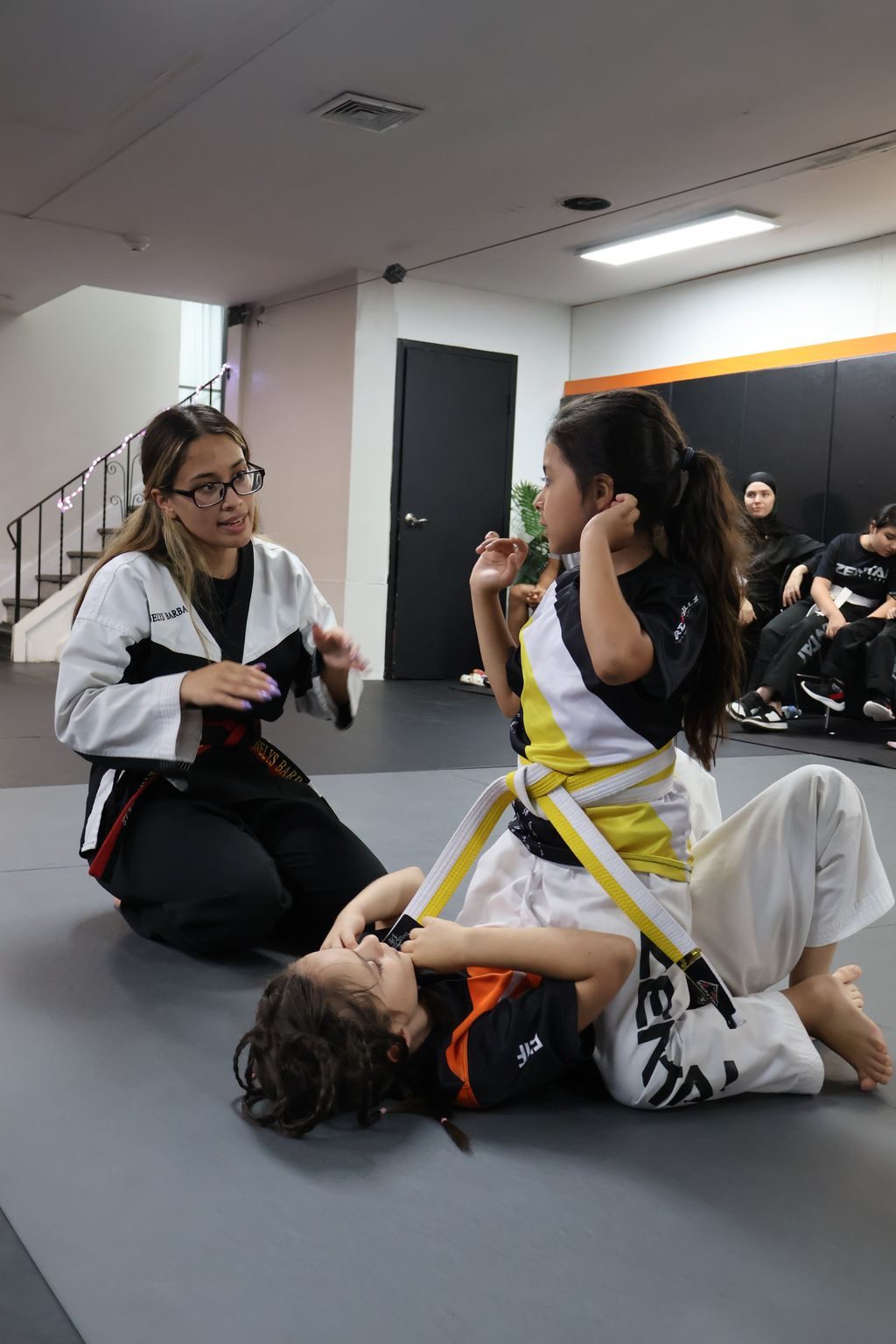
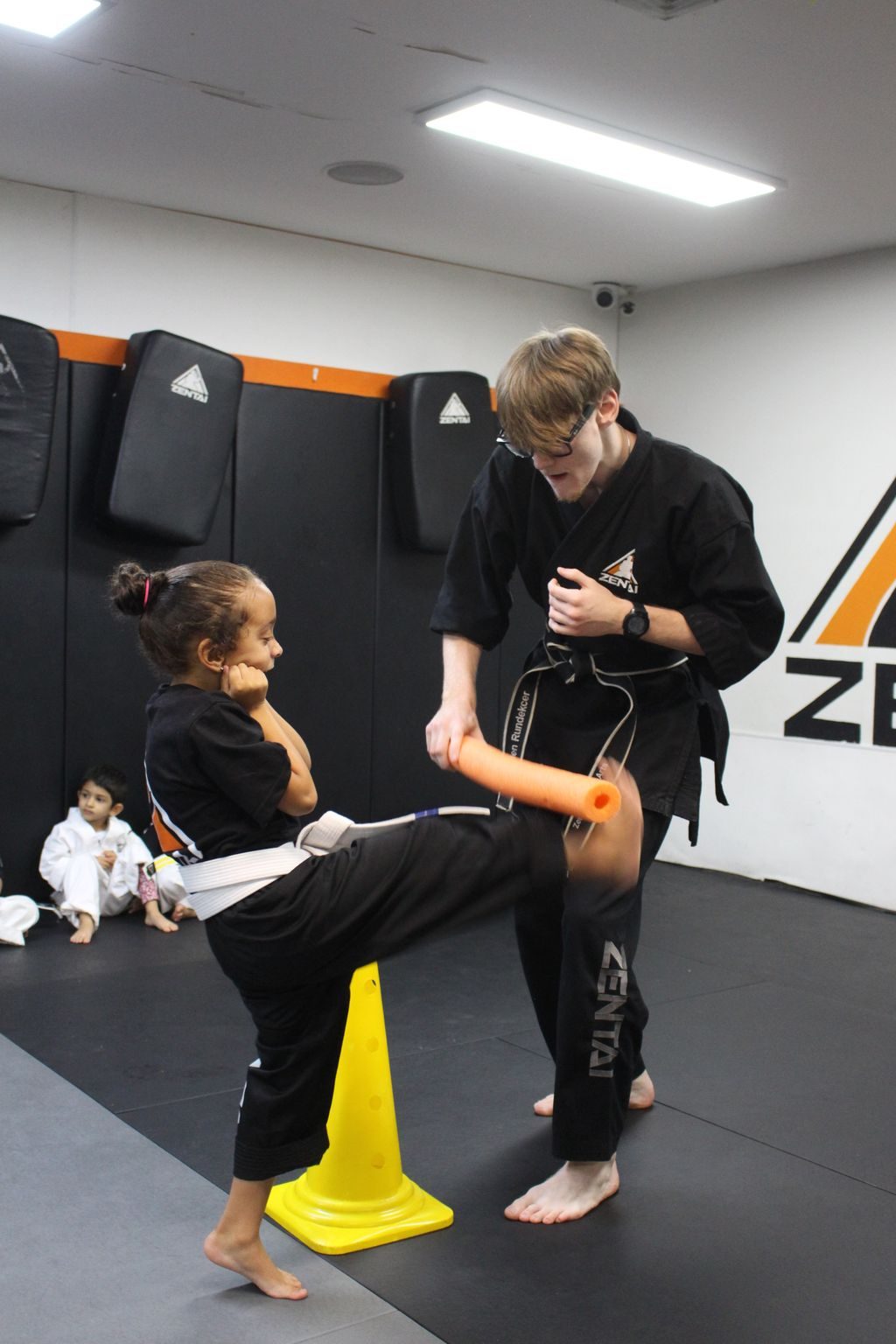
It's one of the few activities that works well for both, because it offers a mix of individual and group learning.
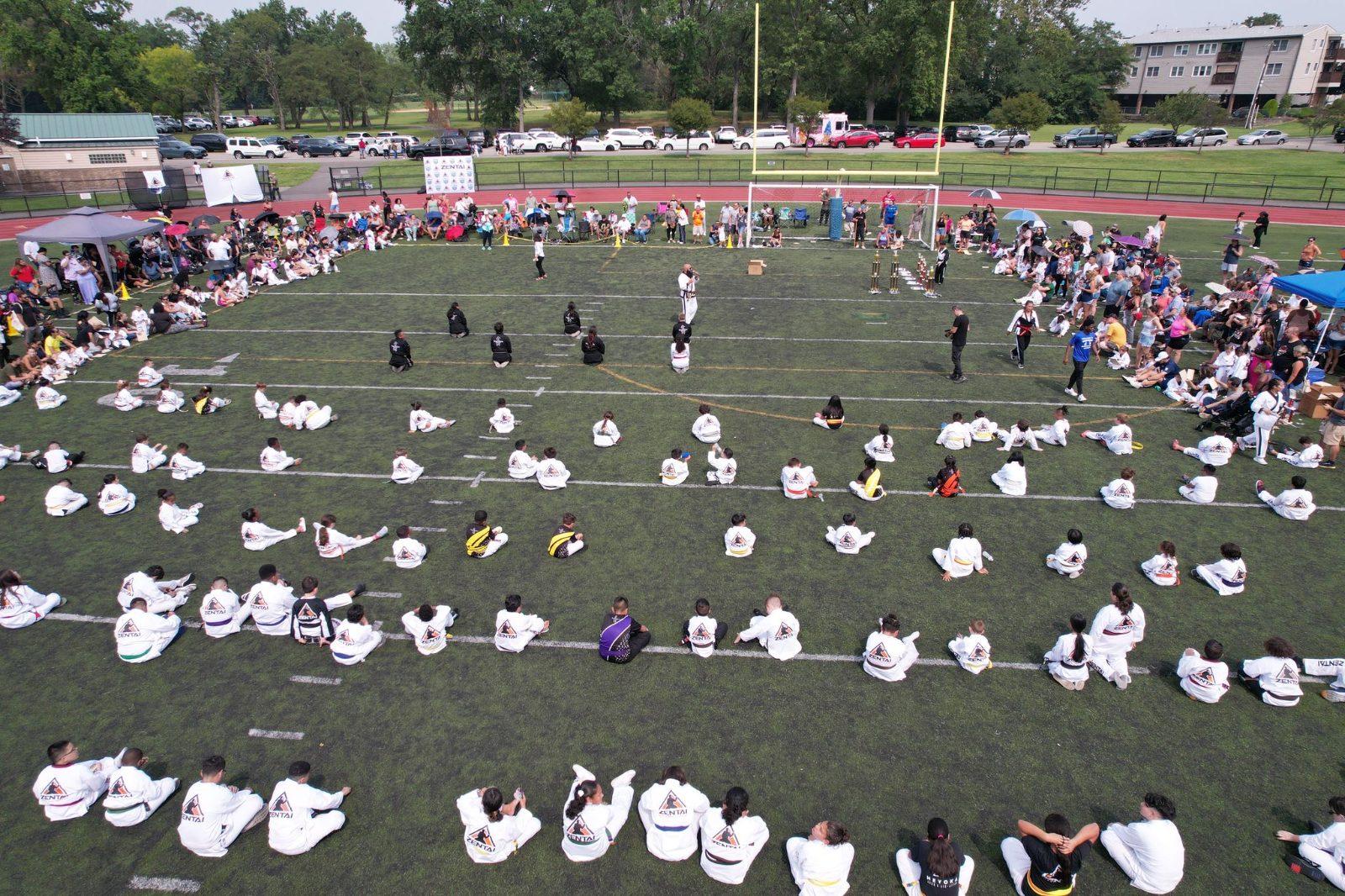
At ZENTAI Martial Arts, we are a leadership development academy that uses martial arts as the vehicle. At our 4 New Jersey locations in Belleville, Clifton, Hackensack, and North Arlington, and our location in the Dominican Republic, every kids class runs on the ZENTAI SKILLZ child development curriculum.
- For introverts: a predictable routine, individual goals like earning skill stripes, and the chance to master a technique at their own pace. Progress is personal.
- For extroverts: high-energy drills, partner work, games at the end of class, and chances to lead. Our Leadership Academy, ZENTAI's student leadership program, lets student leaders learn while supporting classes.
- For everyone: instructors trained in child development who coach both character and technique, so kids grow as people and as martial artists.
And the best part? The two types learn from each other. The introvert watches the extrovert jump in and borrows a little courage. The extrovert watches the introvert focus and borrows a little calm. This is more than a martial arts school. It's a village, and our ZENTAI family is better because it has both.
My wife and co-founder, Naomy DePeña, is a licensed special educator, so our program and instructors are uniquely prepared to be inclusive to all children, whatever their temperament or needs.
A Preference, Not a Prison
One word of caution. In Built to Lead, I talk about how people sometimes turn a label like "I'm introverted" into a wall. "I can't lead. I'm an introvert."
Being introverted is a real preference. It's not a limit. Some of the most powerful leaders are quiet people. So honor your child's energy, but never let it become the reason they don't try.
Keep Learning With ZENTAI
- Parenting the Shy Child: Your Child Isn't Shy. They're Smart.
- Your Child's Temperament Isn't a Problem. It's Raw Material.
- Goal Setting for Kids: How Stripes, Belts, and Belief Build Achievers
- Core Skillz
Want More? Read Built to Lead
In my book, Built to Lead: Develop Character, Master Influence, and Find Your Purpose, I share the painting lesson, the identity you fight for, and how every kind of kid can grow into a leader. It's written for parents to read with their preteens and teens.
Get Built to Lead on Amazon. All net proceeds support Heart of ZENTAI, our nonprofit bringing free martial arts and leadership training to children in the Dominican Republic.
Find Your Child's Place at ZENTAI
We work with kids ages 3 and up, teens, and adults. Visit us in Belleville, Clifton, Hackensack, or North Arlington, NJ.
Book your child's first class at zentai.us or call (201) 431-5425. Quiet or loud, there's a spot on the mat for them.
We Rise By Lifting Others.
Frequently Asked Questions
Find a ZENTAI Location Near You

About the Author
Grandmaster Allen DePeña is the founder of ZENTAI Martial Arts, a leadership development academy with 4 New Jersey locations (Belleville, Clifton, Hackensack, and North Arlington) and 1 in the Dominican Republic, which he built alongside his wife and co-founder, Naomy. He grew up in the Bronx, trained under Grandmaster Tony Morales, and is the author of Built to Lead: Develop Character, Master Influence, and Find Your Purpose. ZENTAI was named #1 Child Development Center of the Year by Skillz Worldwide and holds a 5.0 Google rating from more than 500 reviews.
More about Grandmaster Allen →