The Motivator Molecule: Healthy Ways to Boost Your Child's Dopamine
The Quick Answer
You can support healthy dopamine, the brain chemical tied to motivation and reward, through everyday habits: consistent sleep, balanced meals with fewer sugary and processed foods, daily physical activity your child enjoys, and goals they work hard to reach. Celebrating effort rather than easy results teaches the brain that hard work feels good, which builds lasting motivation instead of a need for quick screen rewards.
When my son or daughter comes to me and says, "Dad, I got an A on my test," the first thing I ask is:
"Did you have to work really hard for it?"
If the answer is no, it was easy, I don't make a big deal out of it. I don't make them feel bad either. I just say, "Okay, that's good. But that means this one was too easy. Let's find something that really challenges you."
But when they come to me with a B, and tell me they worked on it every day for two weeks, studied on the weekends, really pushed themselves to understand the material?
That's when we celebrate. That's when we go out for ice cream.
I share this in my book, Built to Lead, because it's about what we teach our kids to feel good about. And that connects directly to a chemical in your child's brain called dopamine.
What Does Dopamine Do in Kids?
Dopamine is often called the "motivator molecule." It's part of the brain's reward system. It rises when we expect something good, and it tells the brain, "That was worth it. Do it again."
That's why dopamine is so powerful for learning. When kids feel that rush of accomplishment, they're more motivated, they pay closer attention, and they remember more.
It's also why screens can be so hard to put down. Many games and apps deliver quick, unpredictable rewards that keep the brain coming back. (We cover that side of it in our post on Dopamine.)
Here's the problem. When the only source of that good feeling is a screen, taking it away doesn't magically create motivation for homework or chores. It just leaves a bored, frustrated kid. The better approach is to build healthy sources of motivation into your child's everyday life.
How Can I Boost My Child's Dopamine Naturally?
No supplements. No special products. Just the basics, done consistently:
- Protect sleep. A tired brain struggles to feel motivated. A consistent bedtime and screens off before bed are two of the most powerful things you can do.
- Feed the brain well. Balanced meals and snacks, water, and fewer sugary drinks and heavily processed foods help keep energy and mood steady. Skip the caffeine and energy drinks. For specific nutrition questions, ask your pediatrician.
- Move every day. Physical activity is one of the most reliable natural mood and motivation boosters. The key is finding something your child actually enjoys, so it doesn't feel like a punishment.
- Set goals that take effort. Dopamine loves progress. Help your child choose a goal, break it into steps, and track it where they can see it.
- Celebrate the work, not just the win. Praise effort, persistence, and practice. That teaches the brain that hard work is what feels good.
- Build in things to look forward to. A weekend plan, a family game night, a special outing after a big effort. Anticipation is part of the reward.
- Get outside. Fresh air and sunlight are simple, free, and good for mood.
Why Should I Praise Effort Instead of Results?
In Built to Lead, I talk about mental equations, the beliefs that get programmed into kids when they're young.
If a child hears "You're so smart!" every time something comes easy, they learn this equation: easy result plus no effort equals smart equals people are proud of me.
Sounds harmless. But years later, when that child hits something hard, and studies for weeks and still gets a C, the equation tells them: "I must not be smart. No one will be proud of me." And they quit.
When you celebrate the effort instead, you're wiring a different equation: hard work equals growth equals I'm proud of myself. That's the kind of motivation that lasts long after the ice cream is gone.
Here's a simple way to start this week. The next time your child tells you about something they did, ask my question: "Did you have to work really hard for it?" Then listen. If the answer is yes, celebrate like it's a big deal, because it is. If it's no, gently help them find the next challenge. Over time, your child will start asking themselves that question. That's when motivation becomes theirs.
How the ZENTAI SKILLZ Program Channels Dopamine the Right Way
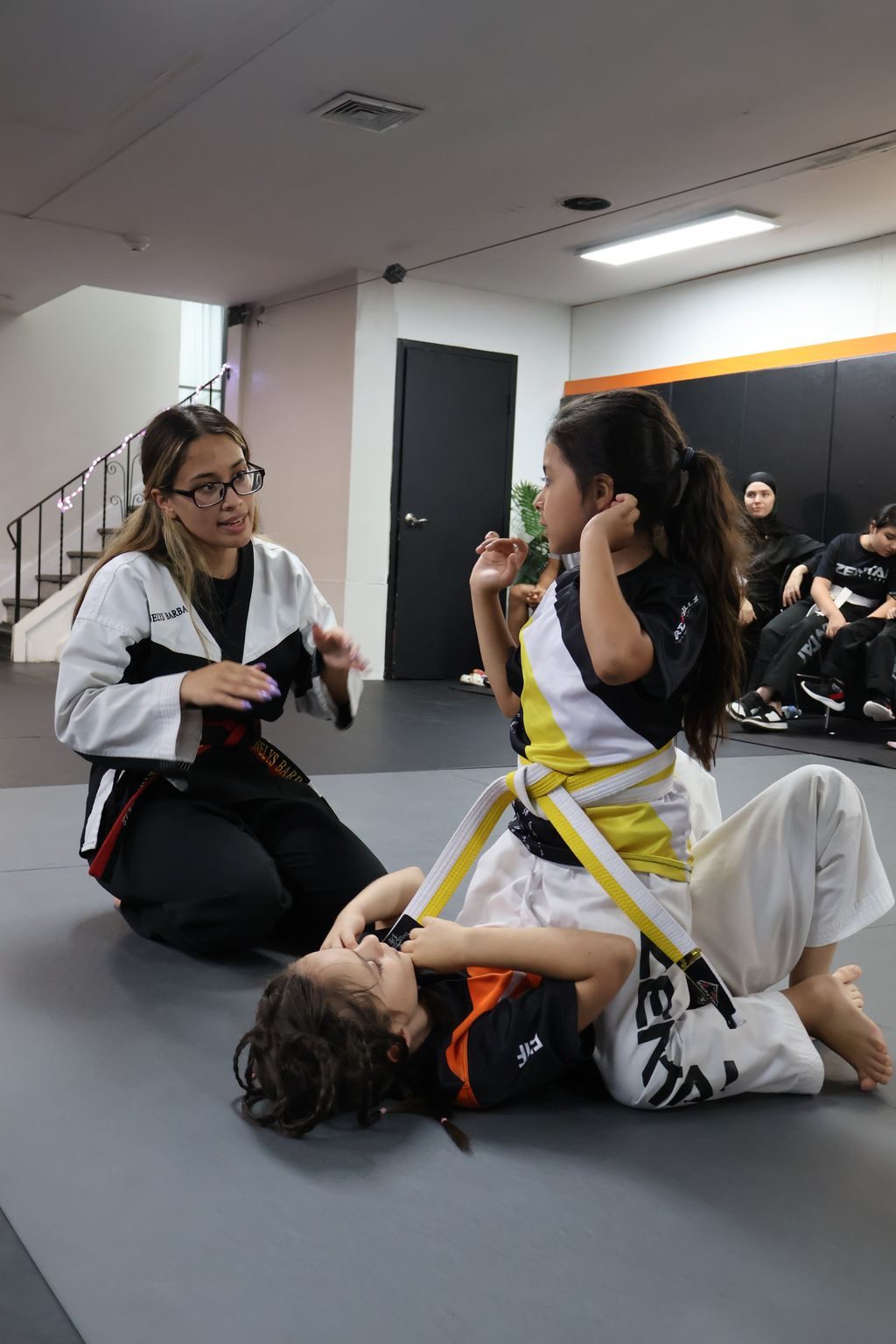
At ZENTAI Martial Arts, we're a leadership development academy that uses martial arts as the vehicle. At our 4 New Jersey locations in Belleville, Clifton, Hackensack, and North Arlington, and our location in the Dominican Republic, every kids class follows the ZENTAI SKILLZ child development curriculum, which was designed with the brain's reward system in mind.
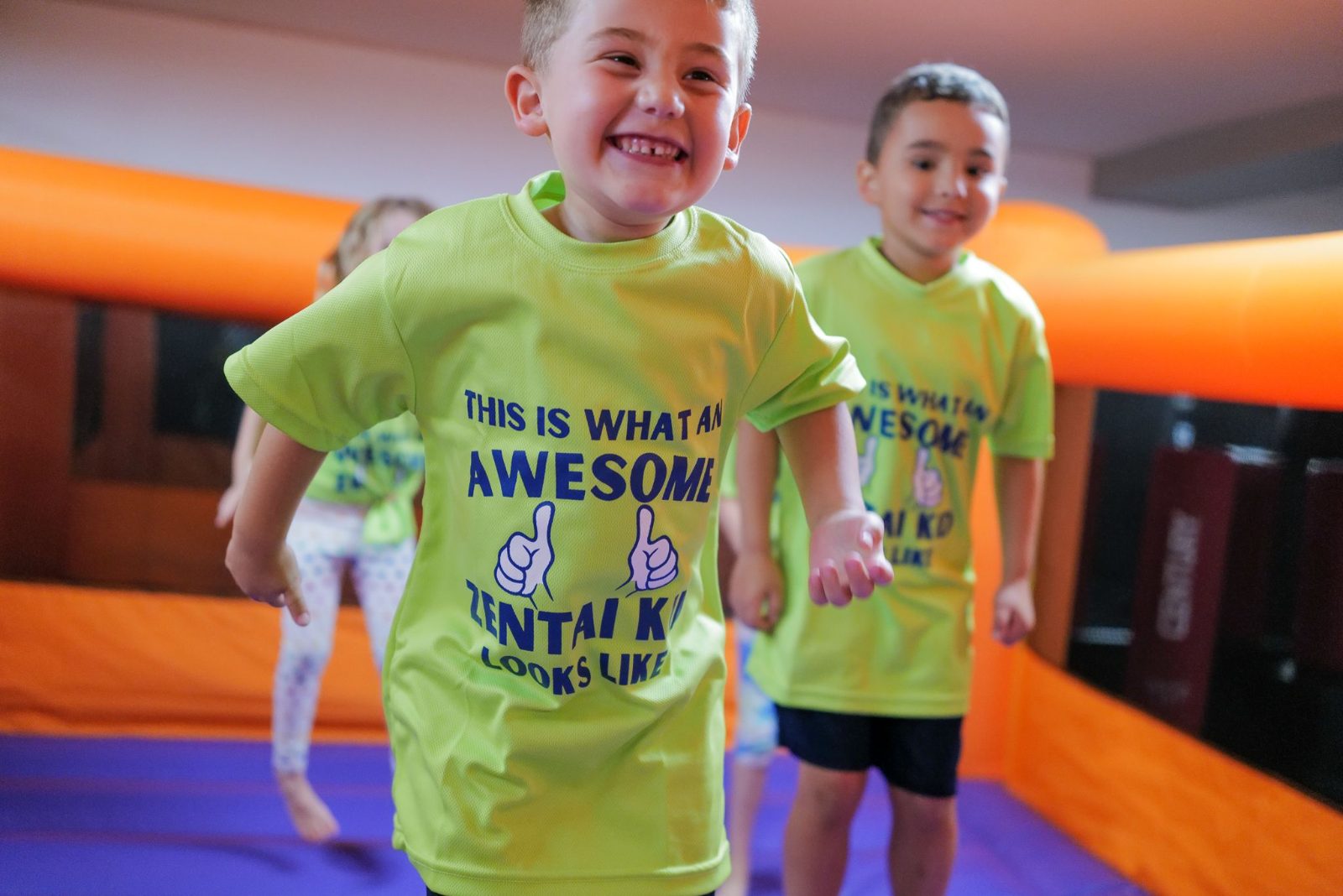
- Game-based learning keeps kids moving and excited, so the good feeling comes from real activity.
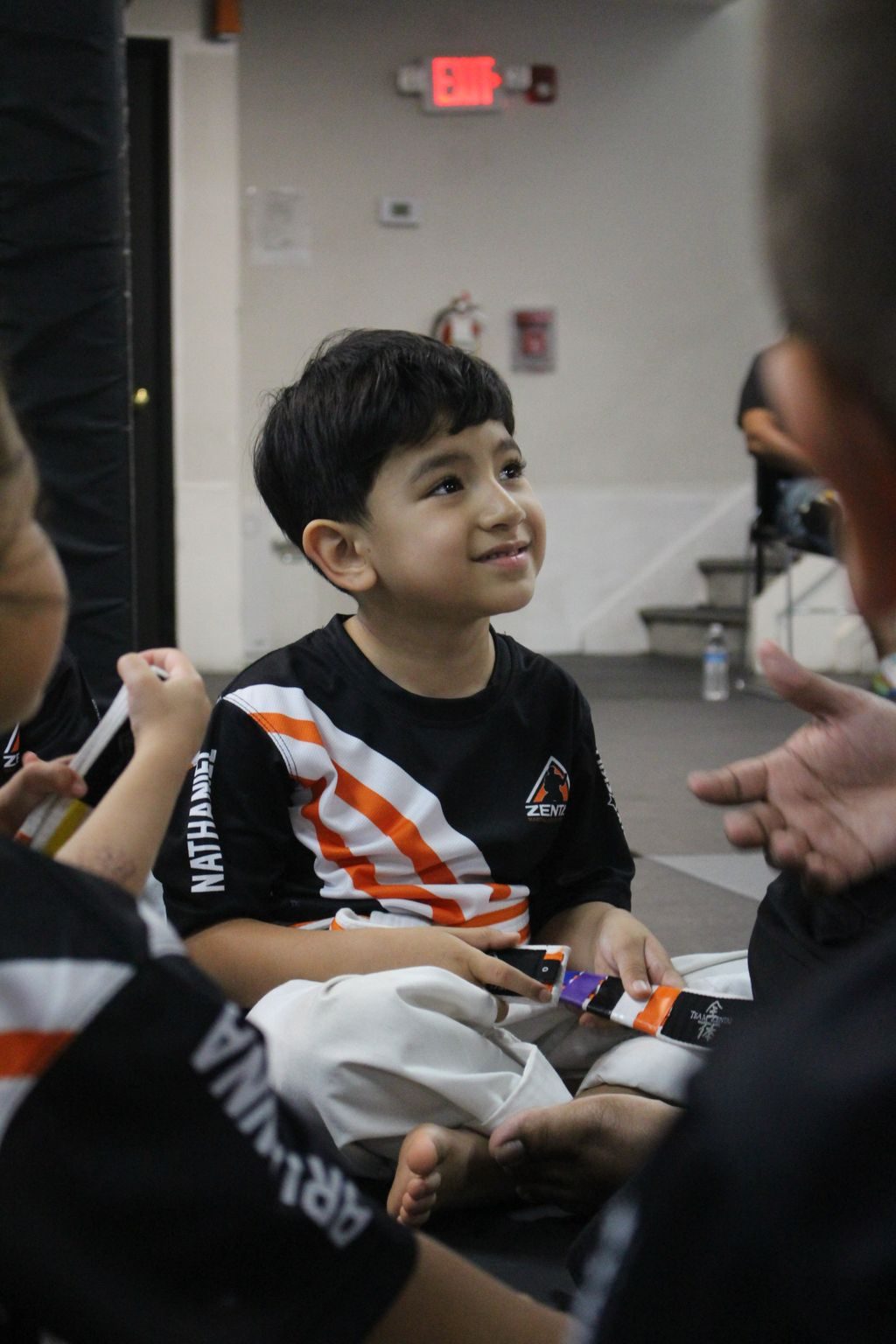
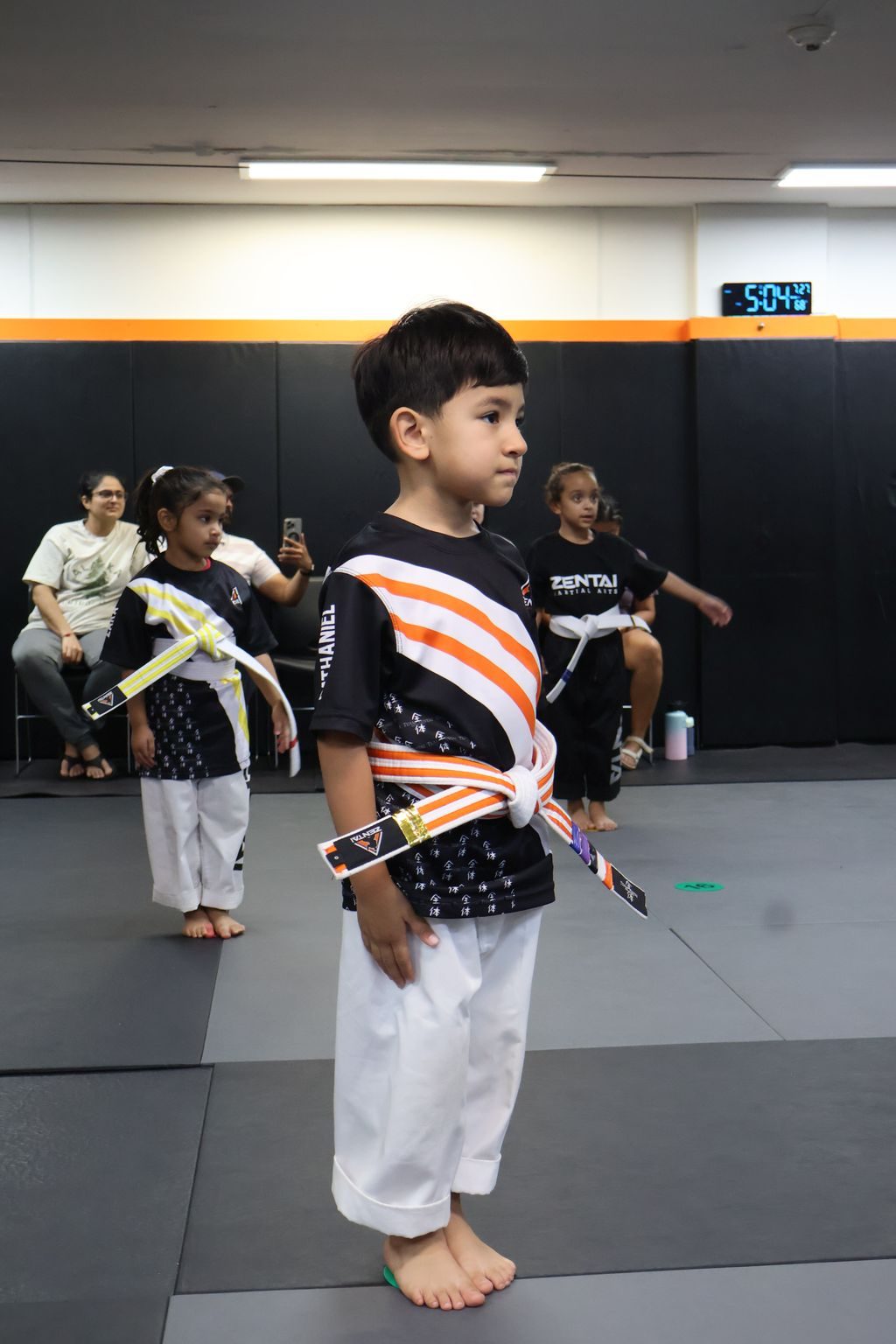
- Skill stripes give kids a visible, earned reward. Students earn stripes as they attend class and successfully complete technical requirements, and those stripes lead toward their next belt. The anticipation keeps them working.
- Intrinsic motivation. Instructors challenge kids to go beyond the minimum because they want to, not because they have to.
- Trickery. Fun surprises, like calling out "Go-kart!" instead of "Go!", keep kids alert and listening.
- Instructors trained in child development who coach both character and technique, so kids grow as people and as martial artists, and learn that effort is what earns the stripe.
Parents can use the same systems at home, like a stripe chart for chores or reading, and our Parent SKILLZ tools on consistency and patience make it easier. This is more than a martial arts school. It's a village, and we'd love to help your family build motivation that lasts.
So next time your child brings home a hard-earned B, go get the ice cream.
Keep Learning With ZENTAI
- Why Your Kid Can't Put Down the Screen (and What Dopamine Has to Do With It)
- D.O.S.E. for Kids: The Four Happy Brain Chemicals Every Parent Should Know
- Healthy Competition for Kids: Teaching Your Child to Win, Lose, and Keep Growing
- Goal Setting for Kids: How Stripes, Belts, and Belief Build Achievers
Want More? Read Built to Lead
In my book, Built to Lead: Develop Character, Master Influence, and Find Your Purpose, I share the mental equations that hold kids back and how to rewrite them. It's written for parents to read with their preteens and teens.
Get Built to Lead on Amazon. All net proceeds support Heart of ZENTAI, our nonprofit bringing free martial arts and leadership training to children in the Dominican Republic.
Give Your Child a Reason to Work Hard
We work with kids ages 3 and up, teens, and adults. Visit ZENTAI Martial Arts in Belleville, Clifton, Hackensack, or North Arlington, NJ.
Book your child's first class at zentai.us or call (201) 431-5425. Every stripe is earned.
We Rise By Lifting Others.
Frequently Asked Questions
Find a ZENTAI Location Near You

About the Author
Grandmaster Allen DePeña is the founder of ZENTAI Martial Arts, a leadership development academy with 4 New Jersey locations (Belleville, Clifton, Hackensack, and North Arlington) and 1 in the Dominican Republic, which he built alongside his wife and co-founder, Naomy. He grew up in the Bronx, trained under Grandmaster Tony Morales, and is the author of Built to Lead: Develop Character, Master Influence, and Find Your Purpose. ZENTAI was named #1 Child Development Center of the Year by Skillz Worldwide and holds a 5.0 Google rating from more than 500 reviews.
More about Grandmaster Allen →