Why Kids Have Tantrums: What's Really Happening in Your Child's Brain
The Quick Answer
Most tantrums happen because a child's emotional, survival-focused "downstairs brain" takes over before their still-developing "upstairs brain" can help them calm down and think. That thinking part of the brain keeps maturing into the mid-twenties. Some tantrums are different: a deliberate strategy to get something. Downstairs tantrums need calm comfort first. Deliberate tantrums need a calm, firm boundary.
Years ago, we had a small dog named Tiger. He was a seven-pound Yorkie. Tough on the outside, or at least he wanted everyone to think so.
Every time the mail came through the door, Tiger went absolutely crazy. He'd grab it and shred it like a wild animal. You'd think a wolf lived in our house.
I also had a friend named Matt who trained protection dogs. He had a pit bull named Ace. Huge. Powerful. Trained to be an attack dog.
But every time I saw Ace, he was completely relaxed. You could slam a door and he'd just glance over and look away. Unless his handler told him otherwise, he was the calmest dog you've ever seen.
Why the difference?
Ace knew what he was capable of. He didn't need to prove anything. Tiger was afraid. He knew he couldn't actually defend himself, so he had to be loud.
I share that story in my book, Built to Lead, to explain the kid who bullies. But it explains something else too. When a child is loud, wild, and out of control, it's usually not strength. It's fear, or overwhelm, running the show.
That's what a tantrum is.
Why Do Kids Have Tantrums?
In their book The Whole-Brain Child, Dr. Daniel Siegel and Dr. Tina Payne Bryson describe the brain like a two-story house.
The downstairs brain is ready from birth. It handles breathing, heartbeat, and strong emotions like fear and anger. Inside it is a small, almond-shaped structure called the amygdala, which works like a smoke alarm, scanning for danger.
The upstairs brain, especially the prefrontal cortex, handles planning, problem-solving, empathy, and self-control. It's the part that says, "Wait. Let's think about this." And it's under construction for a long time, into the mid-twenties.
When a child feels threatened, frustrated, or overwhelmed, the alarm goes off. Stress floods their body. The downstairs brain takes over, and the upstairs brain, the part that could calm them down, isn't available.
So your sweet, smart child turns into Tiger. Not because they're bad. Because their brain is doing exactly what an immature brain does under stress.
Upstairs vs. Downstairs Tantrums: What's the Difference?
Siegel and Bryson make a distinction that changed how I think about meltdowns. Not every tantrum is the same.
- A downstairs tantrum is a true flood. Your child has lost access to their thinking brain. They can't be reasoned with right now, and they're not choosing this. What they need is comfort, calm, and safety first.
- An upstairs tantrum is a strategy. Your child is in control, and they've decided that screaming might get them the candy bar or more screen time. What they need is a calm, firm, loving boundary, and no reward for the tantrum.
How can you tell? A downstairs tantrum usually can't be switched off. An upstairs tantrum often stops the moment the child gets what they want, or checks to see if you're watching.
How Should I Handle a Tantrum?
- Stay Ace. Your calm is the most powerful tool you have. Lower your voice, relax your body, and take a breath before you respond.
- Ask: upstairs or downstairs? Is my child flooded, or is this a strategy? The answer changes everything.
- For downstairs, connect first. Get close, get low, and keep your words simple. "I'm right here. You're safe." Save the lesson for later.
- For upstairs, hold the line kindly. "I hear you want the candy. The answer is still no." Don't negotiate with the tantrum, and don't shame your child for trying.
- Teach once the storm has passed. When everyone is calm, talk about what happened and what to try next time. This is when the upstairs brain can actually learn.
- Look for patterns. Tired? Hungry? Overstimulated? Transitions? Many tantrums are predictable, and preventable.
If tantrums are very frequent, intense, or getting harder instead of easier as your child grows, talk with your pediatrician.
How Martial Arts Helps Kids Grow From Tiger to Ace
I was Tiger. I came to the dojo as a scared, aggressive kid, and my instructor, Master Tony Morales, taught me how to become Ace. Not by making me tougher, but by teaching me self-control.
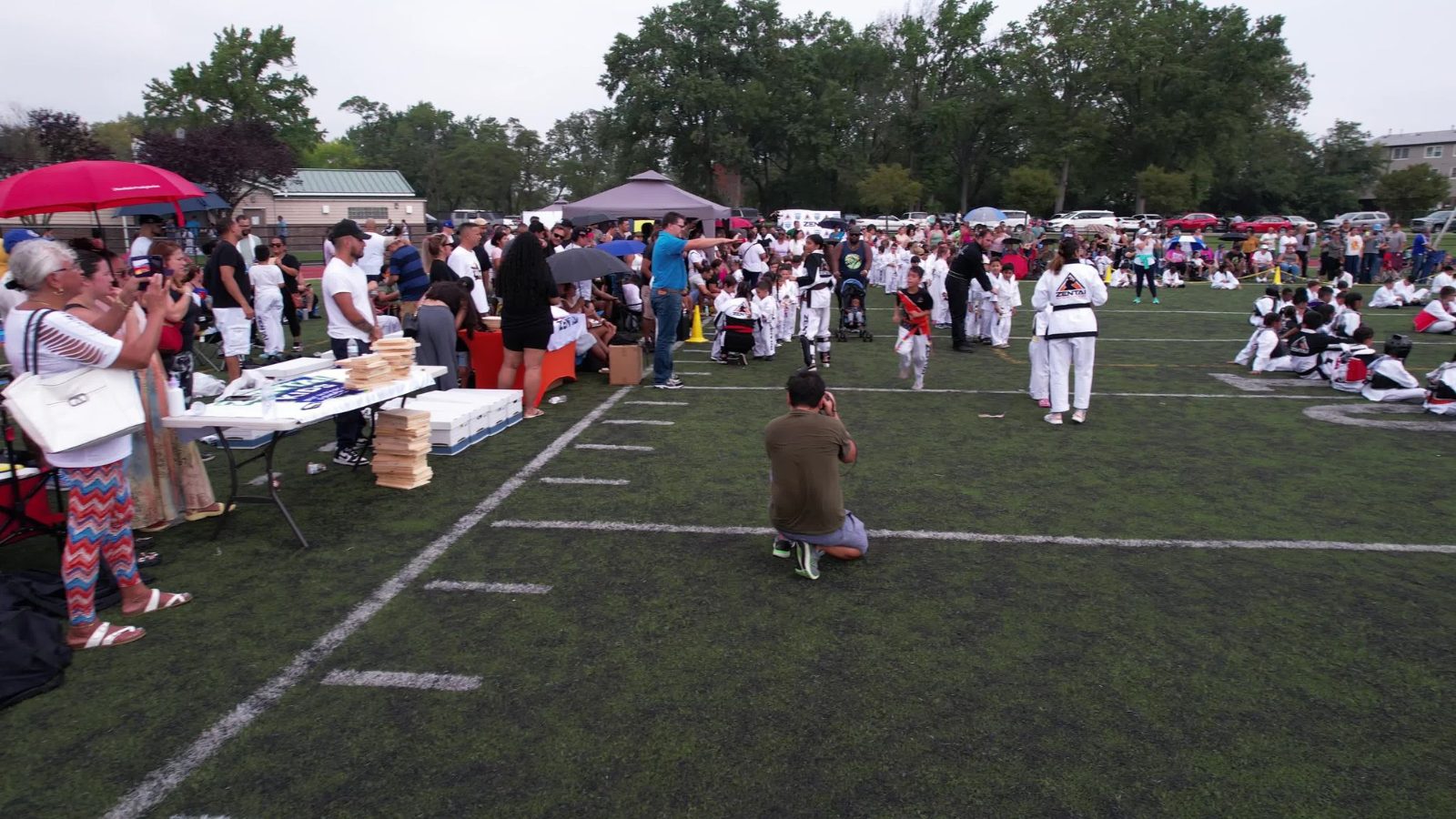
At ZENTAI Martial Arts, we're a leadership development academy that uses martial arts as the vehicle. At our 4 New Jersey locations in Belleville, Clifton, Hackensack, and North Arlington, and our location in the Dominican Republic, every kids class follows the ZENTAI SKILLZ child development curriculum.
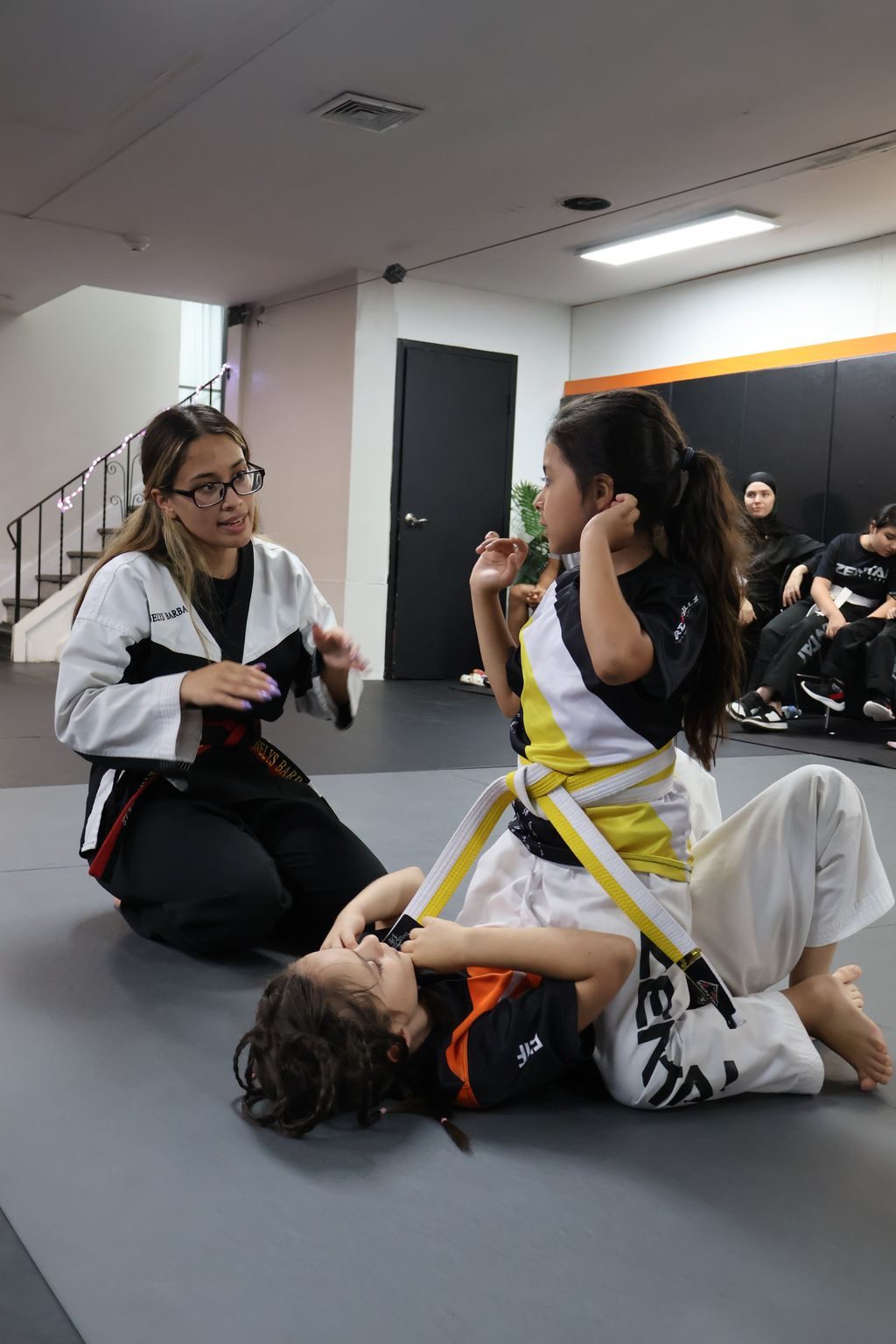
- Age-specific expectations. Our Early Skillz (ages 3 to 4) and Basic Skillz (5 to 6) classes are built around what young brains can actually do, so kids aren't set up to melt down.
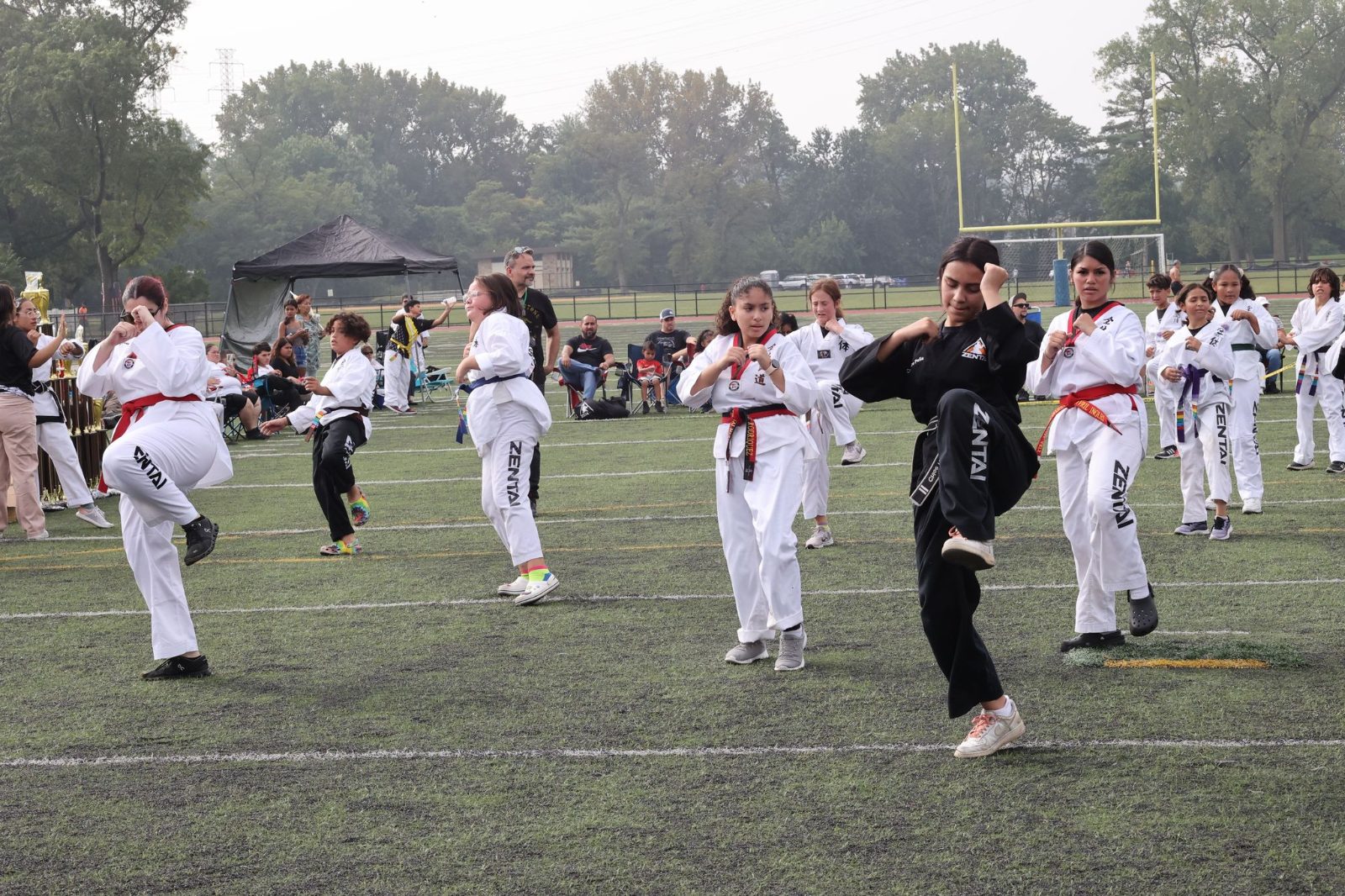
- Practice staying calm under a little pressure. Waiting for a signal, controlling a kick, working toward a stripe. Every rep builds the upstairs brain.
- Instructors trained in child development. In the ZENTAI SKILLZ program, instructors coach both character and technique, so kids grow as people and as martial artists. They know the difference between a flooded child and a testing one.
- Confidence that replaces fear. The more a child knows they can handle hard things, the less their alarm goes off.
Through Parent SKILLZ, including patience, attunement, and consistency, we give families the same tools at home. This is more than a martial arts school. It's a village, and every one of us has been Tiger at some point.
The goal isn't a child who never gets upset. The goal is a child who, over time, becomes Ace: calm, confident, and in control of themselves.
Keep Learning With ZENTAI
- Tantrums and Meltdowns: How to Stay Calm When Your Child Can't
- Upstairs Brain, Downstairs Brain: Helping Your Child Think Before They React
- Martial Arts for 3 Year Olds: Help for the Everyday Struggles of Raising a Preschooler
- Early Skillz
Want More? Read Built to Lead
In my book, Built to Lead: Develop Character, Master Influence, and Find Your Purpose, I share the full story of Tiger and Ace and how Master Tony Morales changed my life. It's written for parents to read with their preteens and teens.
Get Built to Lead on Amazon. All net proceeds support Heart of ZENTAI, our nonprofit bringing free martial arts and leadership training to children in the Dominican Republic.
Help Your Child Become Ace
We work with kids ages 3 and up, teens, and adults. Visit ZENTAI Martial Arts in Belleville, Clifton, Hackensack, or North Arlington, NJ.
Book your child's first class at zentai.us or call (201) 431-5425. Calm and confident starts here.
We Rise By Lifting Others.
Frequently Asked Questions
Related Programs
Find a ZENTAI Location Near You

About the Author
Grandmaster Allen DePeña is the founder of ZENTAI Martial Arts, a leadership development academy with 4 New Jersey locations (Belleville, Clifton, Hackensack, and North Arlington) and 1 in the Dominican Republic, which he built alongside his wife and co-founder, Naomy. He grew up in the Bronx, trained under Grandmaster Tony Morales, and is the author of Built to Lead: Develop Character, Master Influence, and Find Your Purpose. ZENTAI was named #1 Child Development Center of the Year by Skillz Worldwide and holds a 5.0 Google rating from more than 500 reviews.
More about Grandmaster Allen →