Is It My Worry or My Child's Need? Understanding Parental Anxiety Projection
The Quick Answer
Parental anxiety projection happens when a parent's own worries, not the child's actual needs, drive decisions about the child's life. It's common and comes from love. Before a big decision, like pulling a child from an activity, pause and ask: "Is this about my child's needs, or my own stress?" Children often borrow our calm or our worry, so our emotional state matters.
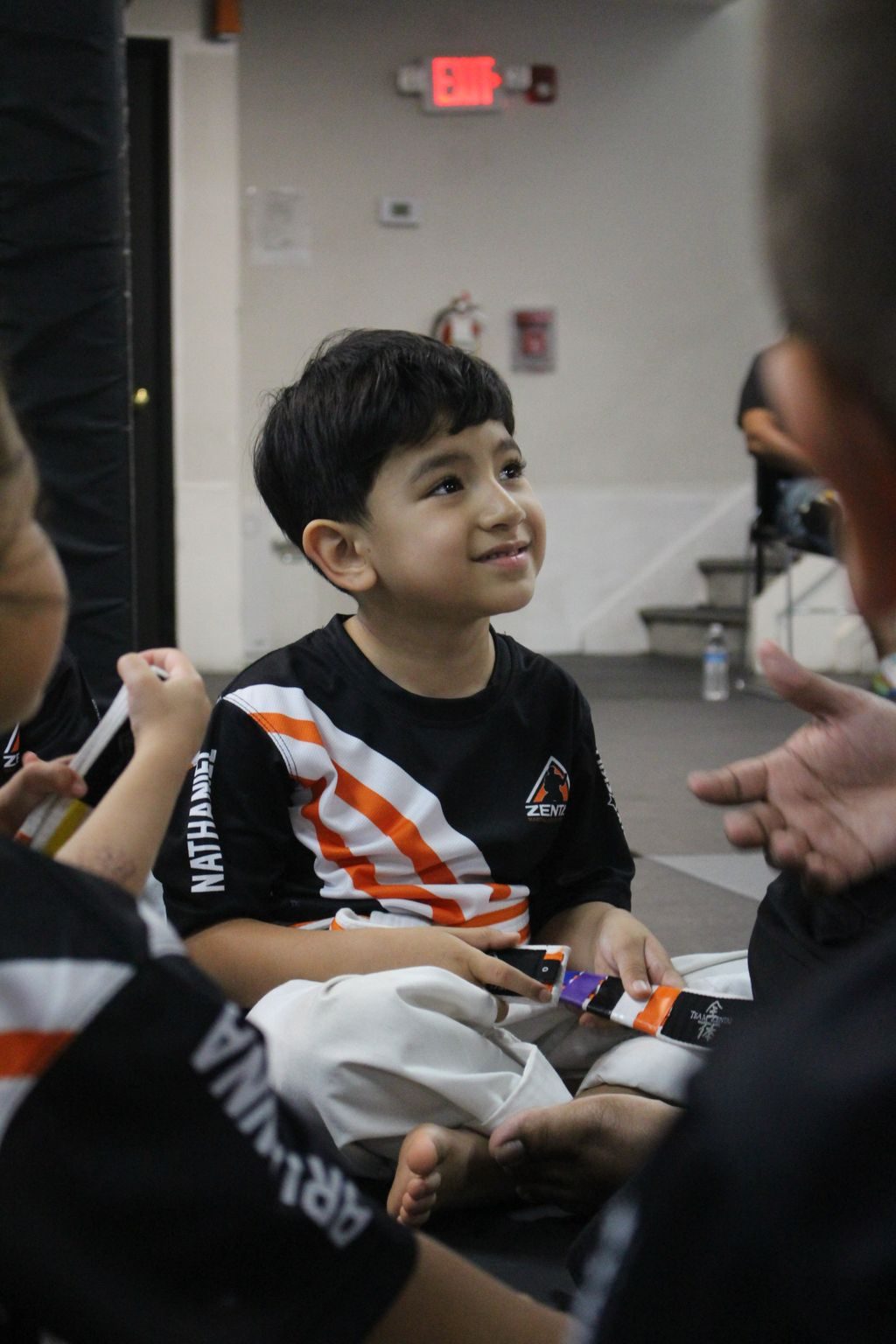
Picture a mom named Dana. Her son is five. He just started kindergarten, and he loves his martial arts class. He talks about it at dinner. He practices his kicks in the hallway.
Then one evening, a worksheet comes home. Trace the letters. Color the shapes. Fifteen minutes, maybe.
And something tightens in Dana's chest.
"If he's getting homework already, it's only going to get harder. Maybe we're doing too much. Maybe he needs to focus on school."
By the end of the week, she's thinking about pulling him out of class.
Dana isn't a bad parent. She's a loving one. She's thinking ahead, trying to protect her son from falling behind. But if you asked her son what he needs, he'd probably tell you he needs to keep kicking in the hallway.
This happens more often than you'd think. And it has a name.
What Is Parental Anxiety Projection?
Parental anxiety projection is when a parent's own fears, stress, or worries get passed onto the child and start steering decisions about the child's life.
It usually comes from the best place. We love our kids. We want to protect them. We can see the road ahead more clearly than they can, and we want to clear it for them.
The trouble is that our worry doesn't always match their reality. A five-year-old with a short worksheet isn't overloaded. Young children usually have very little homework, and what they do have is often meant to be light. What's heavy is the story we're telling ourselves about what that worksheet means for next year, and the year after that.
When the worry makes the decision, kids can lose the very activities that help them grow.
How Does Parental Anxiety Affect Children?
In my book, Built to Lead, I write about something every parent should hear: your emotional state affects your kids. It teaches them what's possible. And it teaches them what to fear.
Children read us constantly. When we're calm, they borrow our calm. When we're anxious, they borrow that too, even if we never say a word about it.
Over time, a child who absorbs a lot of worry may start to:
- Hesitate to try new things, because new things seem risky.
- Worry about mistakes, because mistakes seem like a big deal to the adults around them.
- Lose activities they love, because decisions are being made to ease adult stress.
- Look to you for how to feel, instead of learning to read situations for themselves.
None of this means you have to be perfectly calm all the time. No parent is. It just means that noticing your own worry is one of the most loving things you can do.
Worry Is Information, Not a Verdict
In Built to Lead, I describe how an event, like a worksheet coming home, doesn't create our emotions on its own. What creates them is the belief system we filter it through, and the meaning we give it.
One parent sees the worksheet and thinks, "Cute. He's learning his letters." Another sees the same worksheet and thinks, "He's already behind." Same paper. Very different feelings.
When you feel that tightness in your chest, it's telling you something. But it's not always telling you the truth about your child. Sometimes it's telling you about your own experiences, your own school memories, or your own stress at work.
That's why I encourage parents to separate the event from the story. Ask yourself: what actually happened? And what am I telling myself it means?
5 Gentle Questions to Ask Before a Big Decision
Next time you feel the urge to make a big change in your child's schedule, try walking through these first.
- What actually happened? Stick to the facts. "A 15-minute worksheet came home" is very different from "He's drowning in homework."
- Whose feeling is this? Is your child stressed, or are you? Ask them how they feel about school and about their activities, and really listen.
- What does my child love and need right now? Movement, friends, confidence, fun? Make sure the answer is part of the plan.
- Is there a smaller adjustment? Maybe homework moves to right after dinner. Maybe one busy week gets lighter. You rarely need to cut something completely.
- Who can give me another view? Talk to your child's teacher or instructor. People who work with kids every day can often tell you what's normal for your child's age.
How ZENTAI Supports the Whole Family
At ZENTAI Martial Arts, we are a leadership development academy that uses martial arts as the vehicle. Our kids classes follow the ZENTAI SKILLZ child development curriculum, which is built around what children can realistically do at each age.
For five- and six-year-olds, the Basic Skillz level of the ZENTAI SKILLZ program builds attention, discipline, and self-confidence. Those are the same skills that help kids handle school, including homework. Many parents find that class and school support each other, rather than compete.
Our instructors are trained in child development and coach both character and technique, so kids grow as people and as martial artists. And through Parent SKILLZ, we share tools on connection, attunement, patience, and consistency that help parents stay steady too.
Because this is more than a martial arts school. It's a village. At our 4 New Jersey locations in Belleville, Clifton, Hackensack, and North Arlington, and our location in the Dominican Republic, part of our job is helping parents carry the load, so no one has to figure it all out alone. If you're ever unsure whether your child is doing too much, come talk to us. We'll think it through with you.
And if your own anxiety feels heavy most days, not just in the busy seasons, please be kind to yourself and talk with your doctor or a licensed professional. Taking care of you is part of taking care of them.
Keep Learning With ZENTAI
- The Drive to Practice Matters as Much as the Ride Home
- The Teaching Team: How Parental Involvement Helps Your Child Succeed
- The Best Martial Arts Program for 5 and 6 Year Olds Is Built for 5 and 6 Year Olds
Want More? Read Built to Lead
In my book, Built to Lead: Develop Character, Master Influence, and Find Your Purpose, I share how belief systems shape our emotions and how parents can lead their families from a place of calm. It's written for parents to read with their preteens and teens.
Get Built to Lead on Amazon. All net proceeds support Heart of ZENTAI, our nonprofit bringing free martial arts and leadership training to children in the Dominican Republic.
Let's Talk About Your Child
We work with kids ages 3 and up, teens, and adults, and we're always happy to talk with parents about balance. Visit us in Belleville, Clifton, Hackensack, or North Arlington, NJ.
Book your child's first class at zentai.us or call (201) 431-5425. Bring your questions. We're here to help.
We Rise By Lifting Others.
Frequently Asked Questions
Find a ZENTAI Location Near You
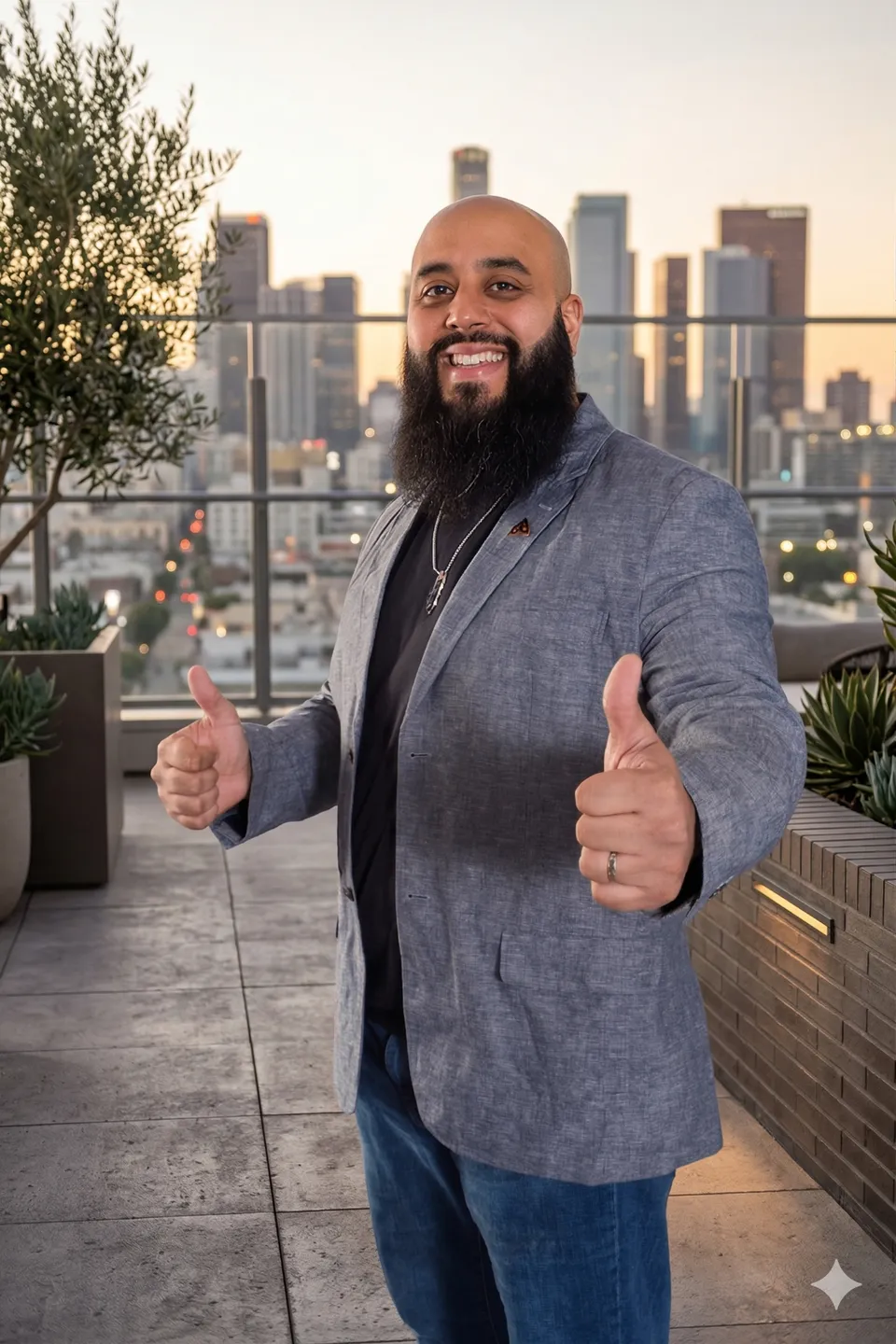
About the Author
Grandmaster Allen DePeña is the founder of ZENTAI Martial Arts, a leadership development academy with 4 New Jersey locations (Belleville, Clifton, Hackensack, and North Arlington) and 1 in the Dominican Republic, which he built alongside his wife and co-founder, Naomy. He grew up in the Bronx, trained under Grandmaster Tony Morales, and is the author of Built to Lead: Develop Character, Master Influence, and Find Your Purpose. ZENTAI was named #1 Child Development Center of the Year by Skillz Worldwide and holds a 5.0 Google rating from more than 500 reviews.
More about Grandmaster Allen →