How Can I Help? Shifting From Judgmental to Curious
The Quick Answer
When a child's behavior is difficult, shift from judging ("He's defiant") to getting curious ("What's making this hard?"). Many kids who seem like they won't are really kids who can't yet: they're stressed, missing a need, or lacking a skill. Ask "How can I help?" Then reduce the stress, meet the need, or teach the skill. Behavior usually improves when kids feel understood.
Early in my leadership, I had a team member who would sometimes disagree with my decisions in meetings. Not rudely. Just honestly. "I think we should try a different approach."
And every time, I felt my chest tighten. I felt defensive. There was an instant spike of emotion.
I could have decided he was disrespectful. That he didn't trust my leadership. That he was undermining me.
Instead, I got curious. Not about him, about me. Why was this bothering me so much?
And I realized that growing up, I had to fight to be heard. So I had formed a belief: if someone disagrees with me, it means they don't respect me. That wasn't true. He disagreed because he cared enough to engage. Once I saw that, everything changed. Now when someone disagrees with me, I don't feel defensive. I feel curious.
I share this in my book, Built to Lead, and I share it with parents all the time. Because the same shift that changed how I lead can change how you see your child.
Is My Child Defiant, or Is Something Else Going On?
When a child refuses, melts down, talks back, or ignores directions, the first word that pops into our heads is often a judgment. Defiant. Lazy. Attention-seeking. Difficult.
But very often, a child who seems like they won't is really a child who can't yet.
They might be tired, hungry, or overwhelmed. They might not understand what's being asked. They might not have the skill yet to do it, like sitting still for twenty minutes, handling a transition, or putting a big feeling into words.
In Built to Lead, I write about this exact situation: your child talks back. If your belief is "talking back means disrespect," you'll feel frustrated and end up in a power struggle. If your belief is "testing boundaries is normal development," you'll feel clear and lead patiently. Same child. Same words. Completely different response.
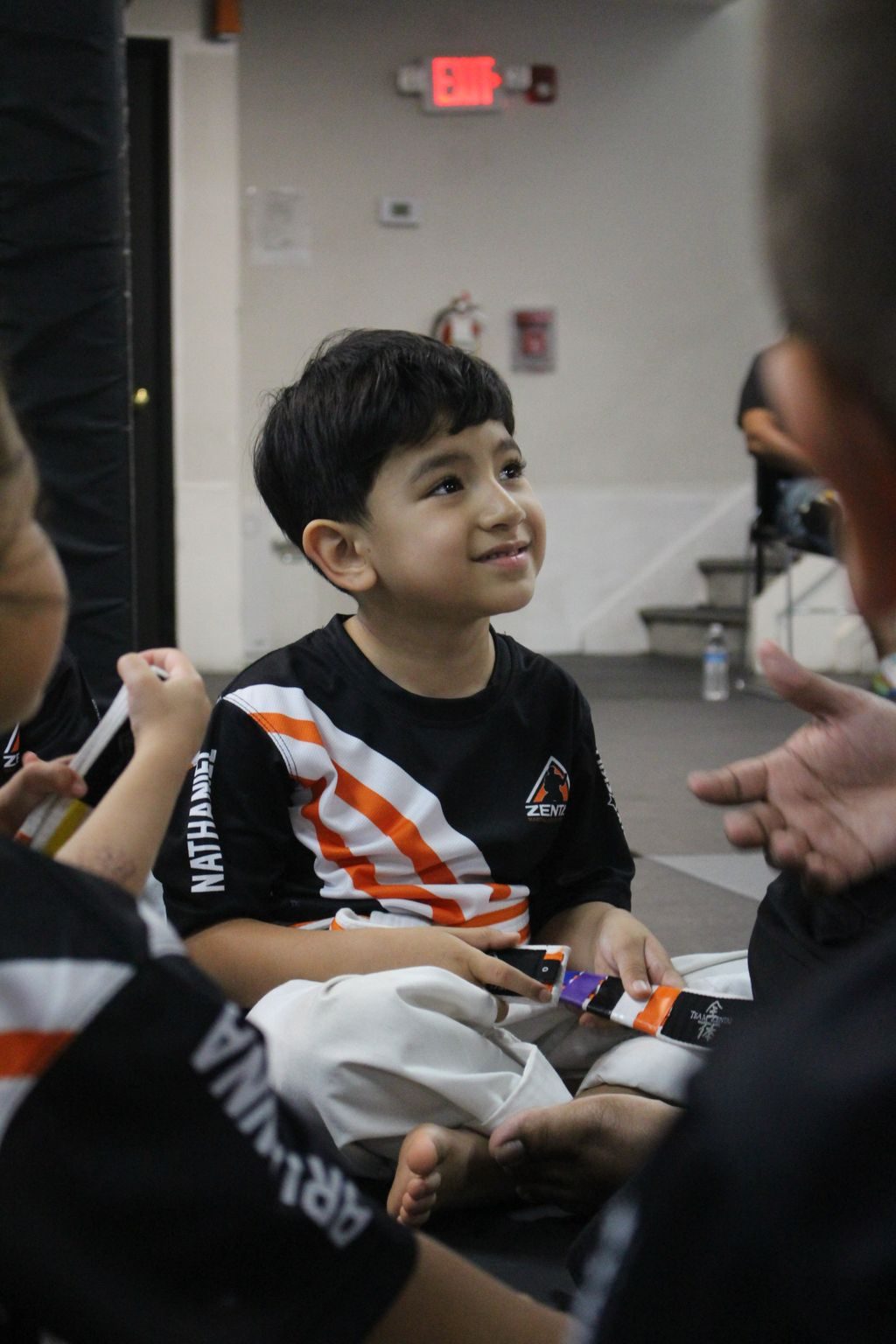
I see a version of this at our schools all the time. A parent tells me, "He can never sit still. He doesn't pay attention." And it's the child's very first class. Meanwhile, that same parent spends the whole session on the bench scrolling through their phone.
I'm not saying that to shame anyone. We all do it. I'm saying it because it shows how quickly we judge in our kids what we excuse in ourselves. A child in a brand-new room, with a brand-new instructor, doing brand-new things, isn't being bad when he gets wiggly. He's being five.
So instead of starting from "something is wrong with my child," we start from "there's a strength here, and there's a skill we're still building."
Children don't usually fall short of our expectations on purpose. When we remember that, we stop fighting our kids and start helping them.
From "Won't" to "Can't Yet"
Here's what the shift can look like in real life.
Try This Reframe
Judgmental: "He won't sit still. He's just trying to get attention."
Curious: "He can't sit still yet. What's making it hard? Does he need to move first? Is he tired?"
Judgmental: "She's so lazy. She never finishes her homework."
Curious: "She's stuck. Is the work too hard? Is she overwhelmed? What part could I help her start?"
Dr. Stuart Shanker, who is known for his work on self-regulation, is often quoted making a similar point: when you see a child differently, you start to see a different child.
How Do I Respond to Difficult Behavior With Curiosity?
Think of yourself as a detective, not a judge. A judge decides what's wrong and hands out a sentence. A detective asks questions until the real story comes out.
- Pause and notice your own reaction. Feel the frustration rising? That's information. Ask yourself, "What belief is getting activated right now?"
- Describe the behavior, not the child. "He's crying and refusing to put his shoes on" instead of "He's being impossible."
- Ask, "How can I help?" Sometimes out loud to your child. Always inside your own head.
- Look for stress and reduce it. Too much noise, too little sleep, a rushed schedule, a hard day at school.
- Look for unmet needs and meet them. Food, rest, connection, a few minutes of your full attention.
- Look for missing skills and teach them. Break it into small steps, practice when everyone is calm, and celebrate progress.
This doesn't mean there are no boundaries. Expectations still matter, and so does follow-through. Curiosity just helps you figure out the right support so your child can actually meet them.
If you've tried this and the behavior is intense, constant, or getting in the way of school and family life, talk with your pediatrician or a licensed child professional. Getting more insight is part of being curious too.
How ZENTAI Instructors Stay Curious
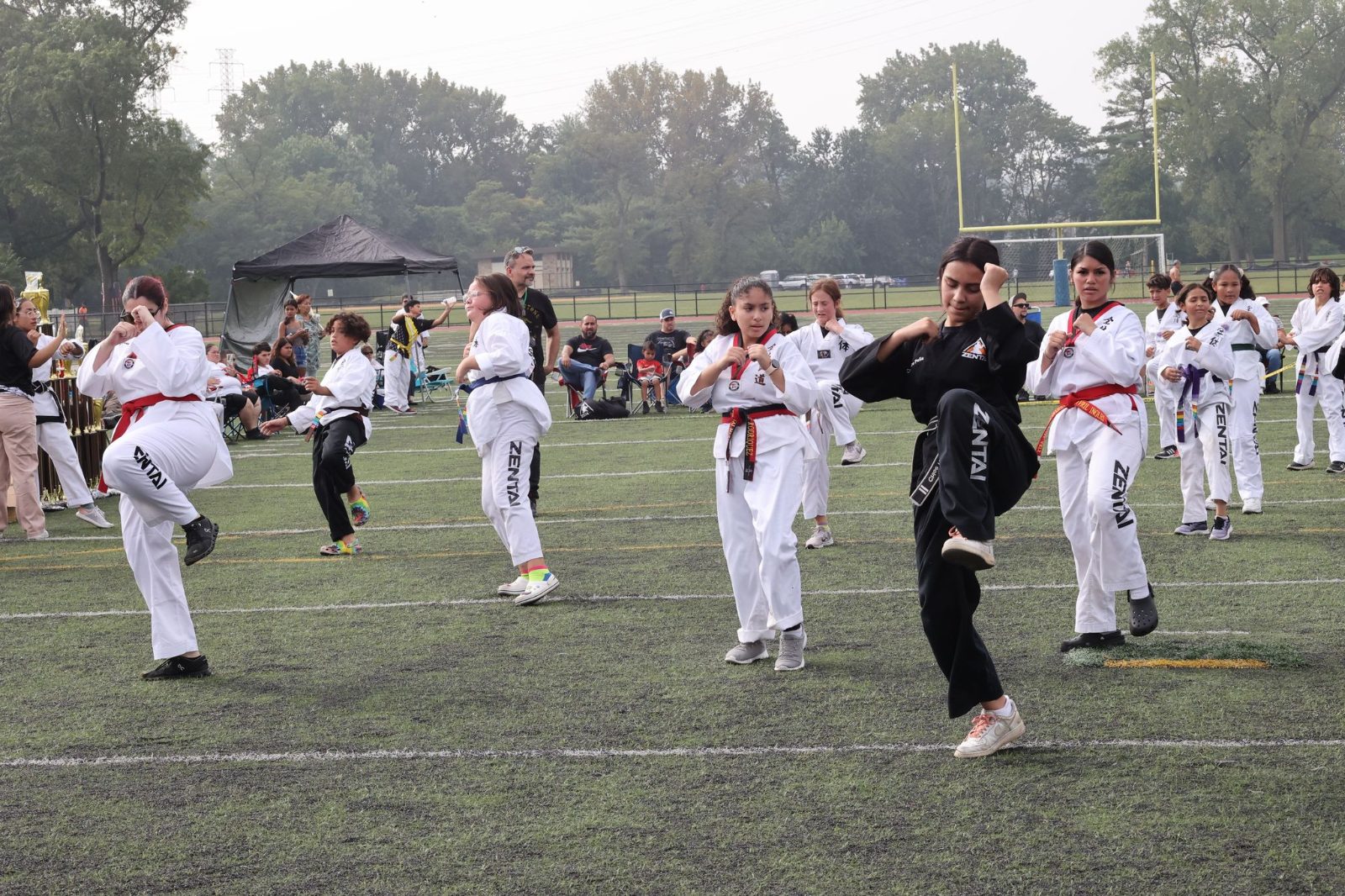
At ZENTAI Martial Arts, we are a leadership development academy that uses martial arts as the vehicle. Our kids classes follow the ZENTAI SKILLZ child development curriculum, which looks at the whole child and what's realistic at each age, from Early Skillz (ages 3 to 4) up through Teens.
Our instructors are trained in child development. They know about age-level expectations, temperament, and different learning styles, so they can act as detectives instead of judges. When a student is struggling, they ask what's getting in the way. And when a student makes a mistake, we ask, "What happened, and what will you do differently next time?" Our instructors coach both character and technique, so kids grow as people and as martial artists.
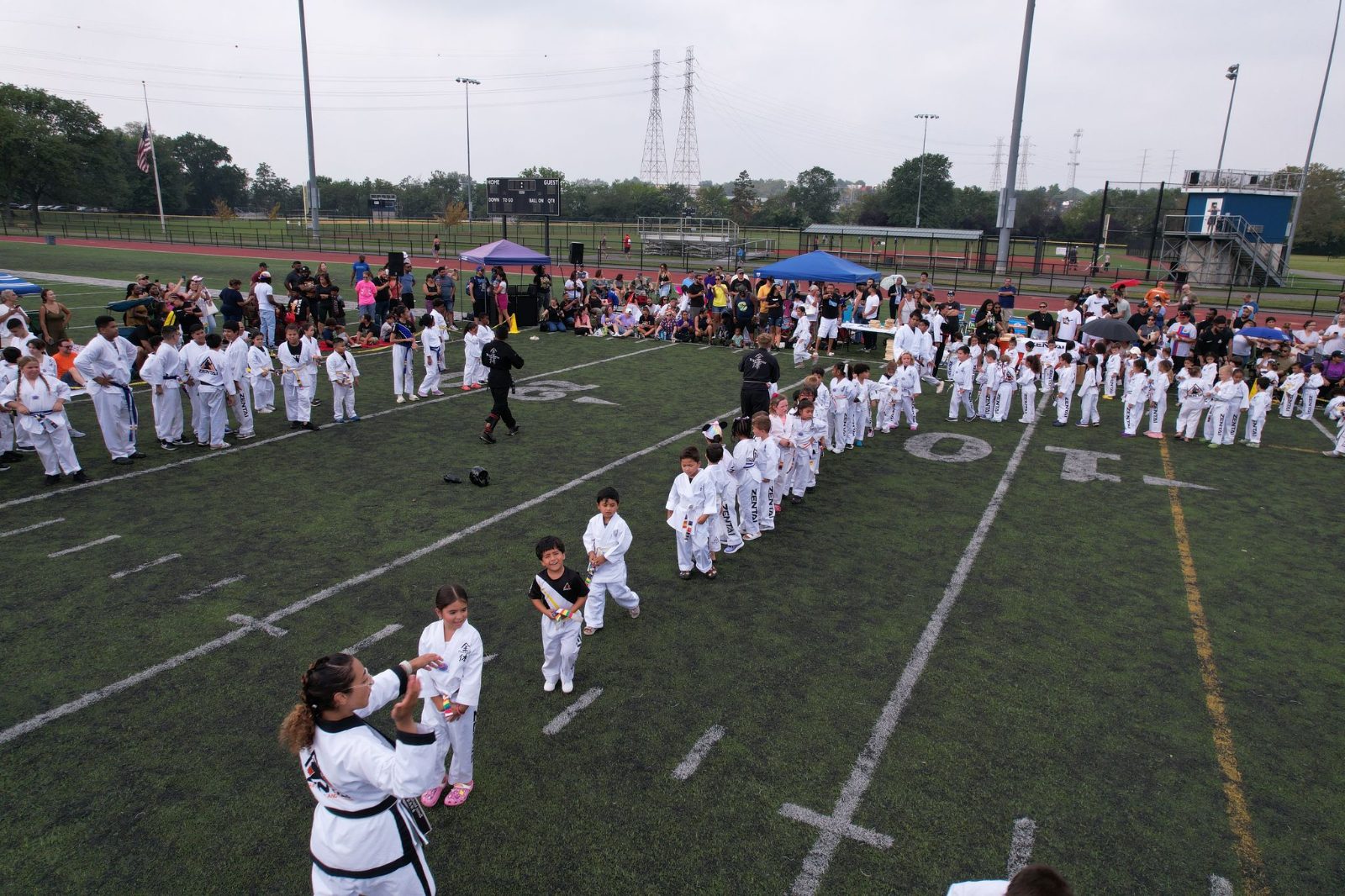
We share this approach with parents too, through Parent SKILLZ, which includes tools like attunement, patience, and adaptability. Because this is more than a martial arts school. It's a village. At our 4 New Jersey locations in Belleville, Clifton, Hackensack, and North Arlington, and our location in the Dominican Republic, we want every family in the ZENTAI SKILLZ program to feel understood, not judged.
Keep Learning With ZENTAI
- Strength-Based Thinking: Seeing the Strength Inside Your Child's Toughest Traits
- Helping a Child With ODD: Staying Calm When They Push Every Button
- Why Kids Have Tantrums: What's Really Happening in Your Child's Brain
Want More? Read Built to Lead
In my book, Built to Lead: Develop Character, Master Influence, and Find Your Purpose, I explain how belief systems shape our reactions, and how to get curious instead of triggered. It's written for parents to read with their preteens and teens.
Get Built to Lead on Amazon. All net proceeds support Heart of ZENTAI, our nonprofit bringing free martial arts and leadership training to children in the Dominican Republic.
Come Meet Our Instructors
We work with kids ages 3 and up, teens, and adults. Visit us in Belleville, Clifton, Hackensack, or North Arlington, NJ.
Book your child's first class at zentai.us or call (201) 431-5425. We'll get to know your child, not just their behavior.
We Rise By Lifting Others.
Frequently Asked Questions
Find a ZENTAI Location Near You

About the Author
Grandmaster Allen DePeña is the founder of ZENTAI Martial Arts, a leadership development academy with 4 New Jersey locations (Belleville, Clifton, Hackensack, and North Arlington) and 1 in the Dominican Republic, which he built alongside his wife and co-founder, Naomy. He grew up in the Bronx, trained under Grandmaster Tony Morales, and is the author of Built to Lead: Develop Character, Master Influence, and Find Your Purpose. ZENTAI was named #1 Child Development Center of the Year by Skillz Worldwide and holds a 5.0 Google rating from more than 500 reviews.
More about Grandmaster Allen →