Conflict Resolution for Kids: Teaching Children to Solve Problems, Not Win Fights
The Quick Answer
To teach kids conflict resolution, stay close but don't rush in for small disagreements. Step in right away if anyone gets physical. Then help kids calm down, name their feelings with "I" statements, own their part instead of arguing about who started it, and brainstorm a fair solution together. Younger kids need more coaching; older kids can handle more on their own.
It was a snowy day in the Bronx. I was in elementary school, and some older kids on the bus had been taunting my best friend Gabriel and me.
When I got off the bus, Gabriel was standing there with his face red and covered in dirty snow. They had jumped him and pushed his face into it.
So we chased them. We were two kids against seven or eight. Gabriel grabbed a stick. I grabbed a brick. And when one of the biggest kids, we called him Big George, stepped toward me, I threw it.
It hit him in the lip. There was blood everywhere. And I stood there trying to look tough, shaking on the inside.
I share that story in the first chapter of my book, Built to Lead, because it wasn't a one-time thing. I got into fights multiple times a week. Not because I was a bad kid. Because I didn't know how not to.
I didn't have communication skills. I didn't have any way to handle conflict except whatever was in my hand. A brick. A stick. My fists. My mouth.
Nobody had taught me another way. And that's exactly why conflict resolution is one of the most important skills we can teach our kids.
Conflict Is Normal. How Kids Handle It Is Learned.
Kids are going to clash. On the playground, at the dinner table, in the back seat. Whose turn it is. Who had the toy first. Who looked at whom.
That's not a sign that something is wrong. It's a normal part of growing up around other people.
The goal isn't to raise kids who never have conflict. It's to raise kids who know what to do when it happens. Kids who can calm down, speak up, listen, and find a way forward. Those are the kids who build strong friendships, and later, strong teams and families.
Should I Step In When My Kids Are Arguing?
Here's a simple rule that works for most families.
- If it's physical, step in immediately. Hitting, pushing, grabbing, or anything unsafe gets stopped right away. Every time.
- If it's a disagreement, give them a moment. Arguing over a toy or a turn? Stay nearby, stay calm, and let them try first.
- If they're stuck, coach, don't rescue. Guide them through the steps instead of solving it for them.
This is hard for parents. When our kids are upset, we want to fix it fast. But if we always jump in, they never learn to find their own solutions. And if kids always run to an adult, they never build confidence in their own judgment.
What to Expect at Each Age
- Ages 3 to 4: Language is still developing, and kids at this age naturally see the world from their own point of view. Conflicts often get physical fast. They need adults to help them find the words: "You can say, 'I'm still using it.'"
- Ages 5 to 6: Kids understand communication better, but they think very concretely. Teach the skills right in the middle of real disagreements, when the lesson makes sense.
- Ages 7 and up: Kids have more tools and can handle more on their own. Encourage them to work it out first and come to you only if they truly can't.
How to Teach Kids Conflict Resolution in 5 Steps
- Calm down first. Nobody solves problems while they're upset. Teach a simple calming tool, like three slow breaths, and practice it when everyone is calm.
- Give each child a chance to feel heard. Show empathy to both sides. "You're frustrated. And you're upset too."
- Use "I" statements. Instead of "You're mean," try "I feel upset when you take my toy." It keeps the focus on feelings, not blame.
- Skip "who started it." It rarely matters. Ask each child, "What was your part?" Owning your part is a sign of respect and responsibility.
- Brainstorm a solution together. "What could we do so this feels fair?" Take turns. Set a timer. Share. Let the kids come up with ideas, and help them pick one they both agree on.
How ZENTAI Teaches Kids to Handle Conflict
When my parents enrolled me in martial arts, I thought I was going to learn how to win more fights. Instead, my instructor, Master Tony Morales, started talking to us about character, discipline, and restraint. That changed my life.
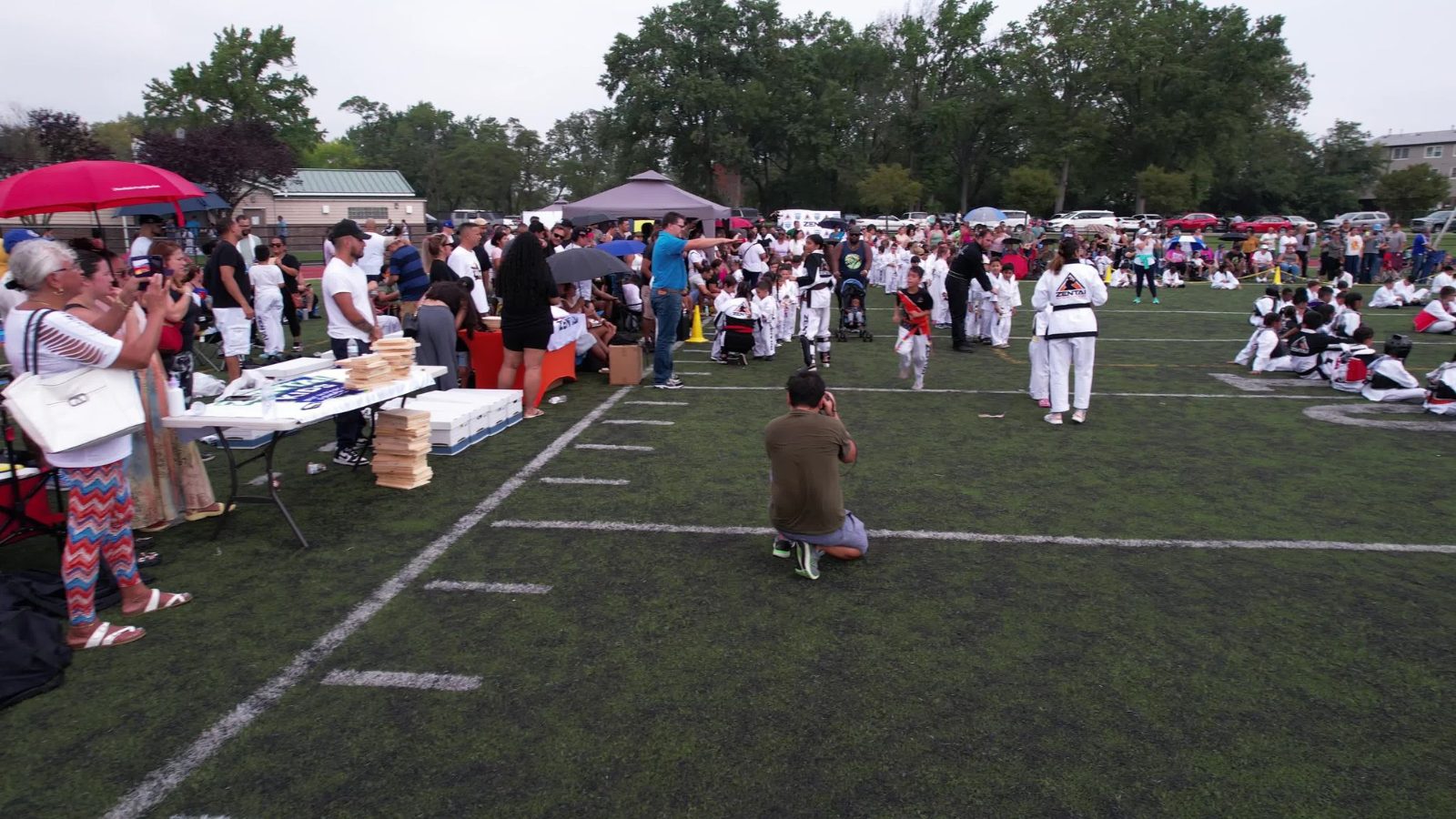
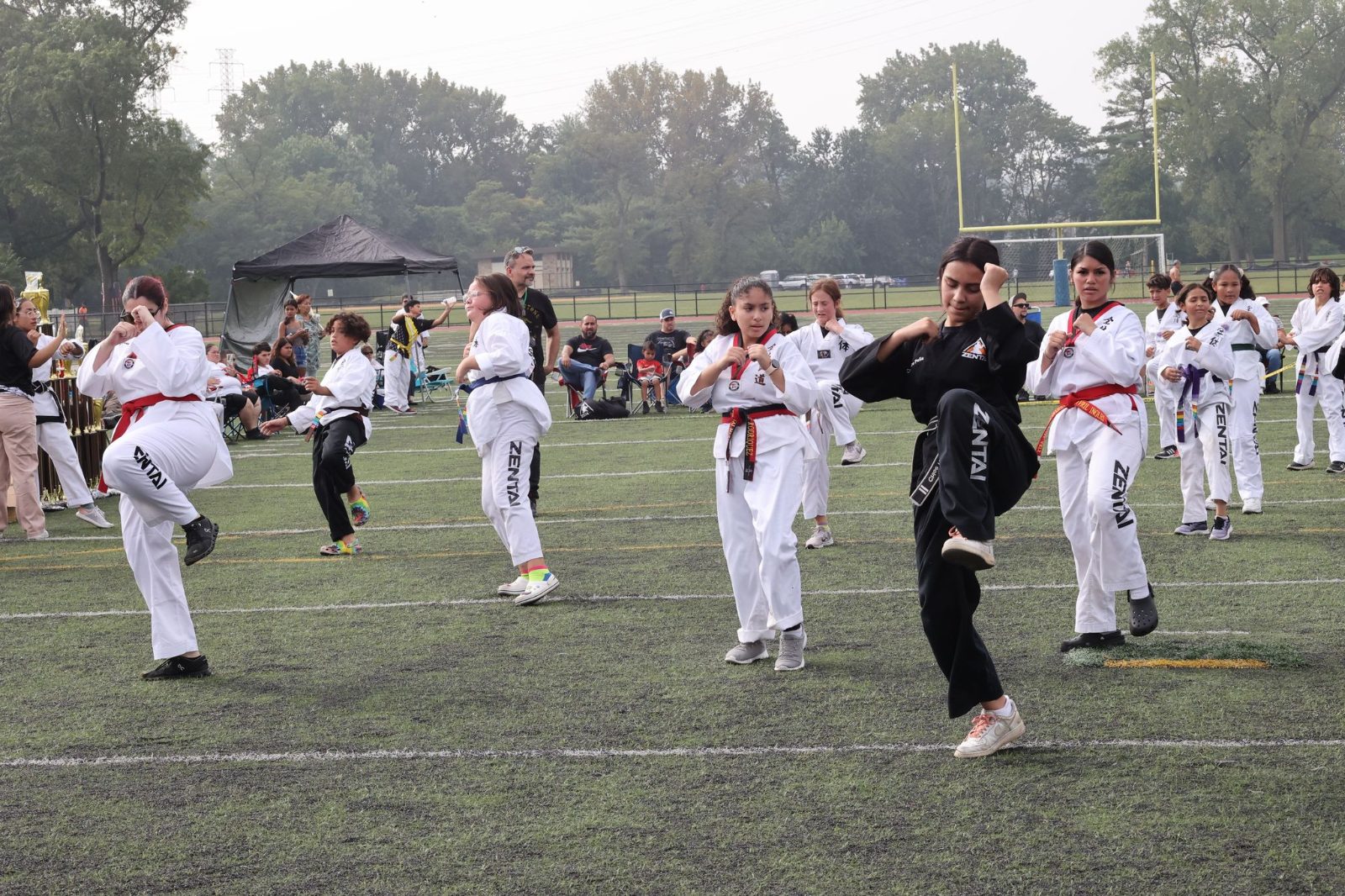
At ZENTAI Martial Arts, we are a leadership development academy that uses martial arts as the vehicle. Our kids classes follow the ZENTAI SKILLZ child development curriculum, and lessons on respect, patience, fairness, and cooperation are built into class for every age group, explained in a way kids can actually understand.
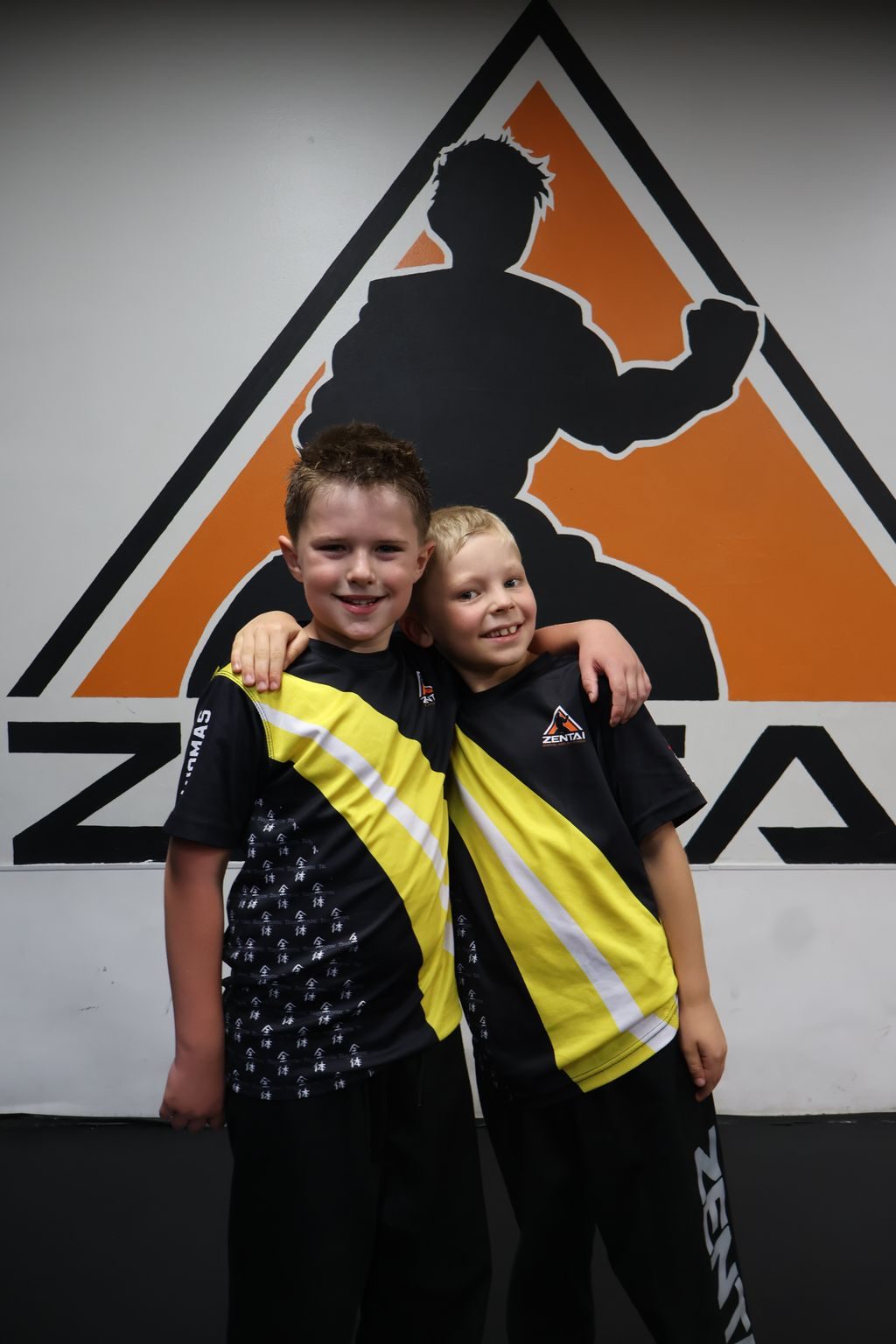
Our instructors coach both character and technique, so kids grow as people and as martial artists. Kids practice with partners, take turns, bow to each other, and learn that the strongest person in the room is the one who stays in control. In the ZENTAI SKILLZ program, respect begins and ends every class.
And at ZENTAI, we believe that leadership is solving problems. A child who can calm down, speak up, and find a fair solution is already a leader.
This is more than a martial arts school. It's a village. At our 4 New Jersey locations in Belleville, Clifton, Hackensack, and North Arlington, and our location in the Dominican Republic, we help kids learn the tools I didn't have growing up.
Keep Learning With ZENTAI
- Is It Rude, Is It Mean, or Is It Bullying?
- Does Martial Arts Make Kids Violent? The Art of Peace
- What Behavior Is Normal for a 5 or 6 Year Old? The "Big Kid" Who Isn't Quite Yet
- Basic Skillz
Want More? Read Built to Lead
In my book, Built to Lead: Develop Character, Master Influence, and Find Your Purpose, I share how a kid who threw bricks in the Bronx learned a better way to handle conflict. It's written for parents to read with their preteens and teens.
Get Built to Lead on Amazon. All net proceeds support Heart of ZENTAI, our nonprofit bringing free martial arts and leadership training to children in the Dominican Republic.
Give Your Child Better Tools
We work with kids ages 3 and up, teens, and adults. Visit us in Belleville, Clifton, Hackensack, or North Arlington, NJ.
Book your child's first class at zentai.us or call (201) 431-5425. Families are welcome to train together.
We Rise By Lifting Others.
Frequently Asked Questions
Find a ZENTAI Location Near You

About the Author
Grandmaster Allen DePeña is the founder of ZENTAI Martial Arts, a leadership development academy with 4 New Jersey locations (Belleville, Clifton, Hackensack, and North Arlington) and 1 in the Dominican Republic, which he built alongside his wife and co-founder, Naomy. He grew up in the Bronx, trained under Grandmaster Tony Morales, and is the author of Built to Lead: Develop Character, Master Influence, and Find Your Purpose. ZENTAI was named #1 Child Development Center of the Year by Skillz Worldwide and holds a 5.0 Google rating from more than 500 reviews.
More about Grandmaster Allen →