One Thing at a Time: Why Multitasking Hurts Your Child's Learning
The Quick Answer
Multitasking usually means rapidly switching between tasks, and it makes learning harder for kids. Each switch costs mental energy, increases mistakes, and can make new information harder to remember and use later. Children learn best by focusing on one thing at a time, in short, distraction-free blocks. Turning off devices and breaking homework into small chunks can make study time faster and less stressful.
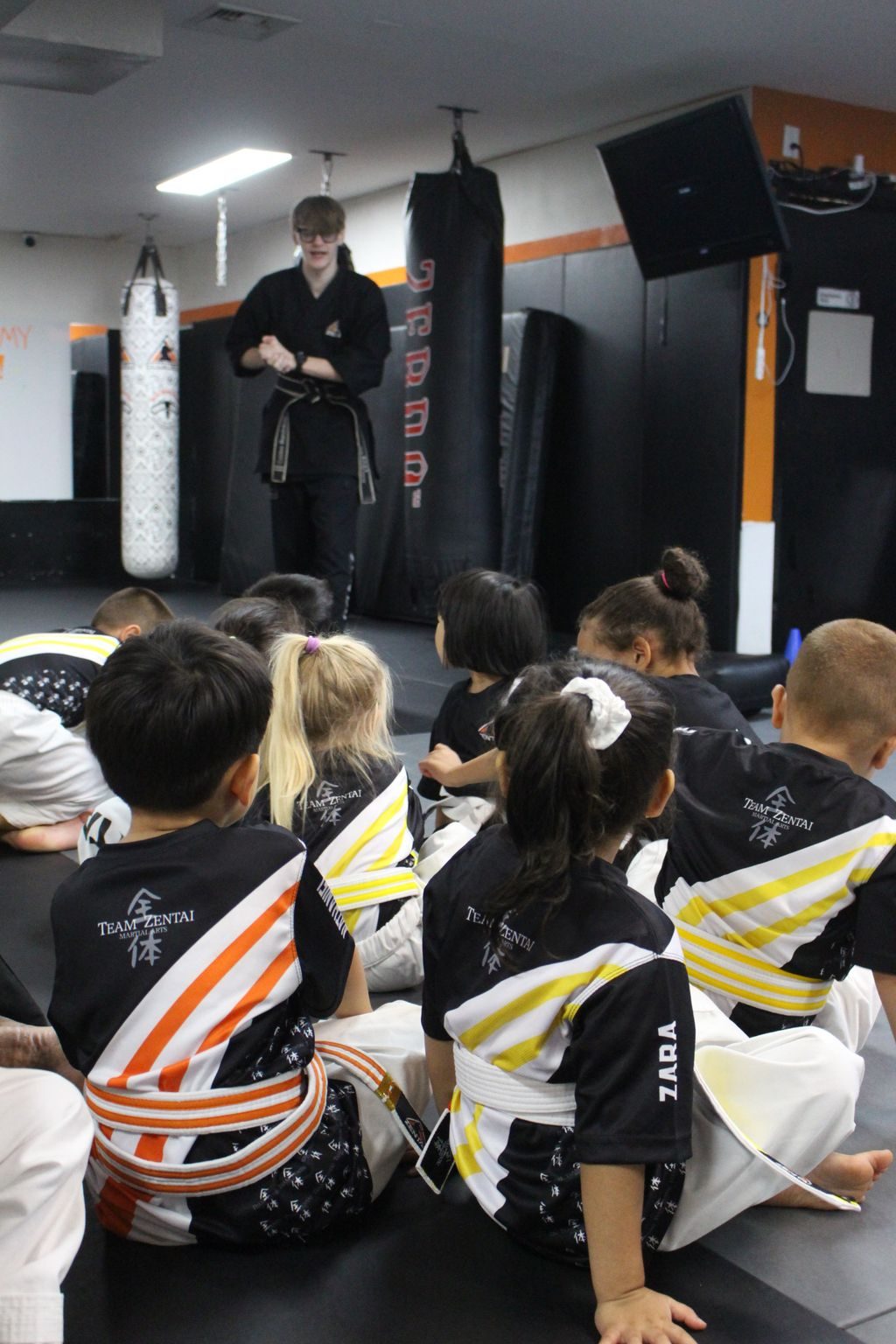
I like to ask the kids at ZENTAI, "What's your favorite subject?"
And I hear some version of the same answer all the time: "I really like math. But I'm not good at writing. I don't like writing."
Listen to what just happened there. That child didn't describe a subject they find hard. They took on an identity. "I'm not a writer."
In my book, Built to Lead, I explain that the best writers became the best writers through repetition. Practice. Doing it over and over, even when the first draft was terrible. When a child says "I'm not good at writing," what they're really saying is "I haven't put in the reps yet."
But here's something I've come to believe as a parent and an instructor: sometimes kids are putting in the time, and still not getting the reps.
Picture it. Your daughter is "doing" her essay at the kitchen table. The TV is on. Her phone buzzes every few minutes. She writes a sentence, checks a message, writes another sentence, watches a video her friend sent.
An hour later, she has a paragraph. She's frustrated. And she's more convinced than ever that she's "just not good at writing."
It might not be the writing. It might be the multitasking.
Can Kids Really Multitask?
Not really. And neither can we.
What we call multitasking is usually task switching: jumping back and forth between things very quickly. It feels productive. But every time the brain switches, it has to stop one mental task, load up another, and then find its place again when it comes back.
Each switch costs time and mental energy. It also makes mistakes more likely. For a developing brain that's still learning how to focus, that cost is even higher.
How Does Multitasking Affect Learning?
It's not just about getting done slower. It's about what sticks.
Psychologist Russell Poldrack and colleagues at UCLA studied what happens when people learn new information while distracted. They found that the brain tends to rely on a different memory system when attention is divided. People could still pick up some of the material, but that learning was harder to use flexibly later.
In plain language: your child might finish the worksheet while half-watching a show, but they may not remember it as well on the test, or be able to apply it to a new problem.
That doesn't mean every break is bad. When a child is truly stuck, stepping away for a few minutes can help the brain reset. The difference is between a planned break and a constant stream of interruptions.
How Can I Help My Child Focus on Homework?
- Clear the space. One table, one assignment, and nothing else. TV off. Tablets away.
- Park the phone. Put it in another room, face down, or in a basket until homework is done. "I'll just keep it next to me" rarely works, for kids or adults.
- Break it into small chunks. Set a timer for a short, focused block, then a quick movement break. Younger kids need shorter blocks than teens.
- One subject at a time. Finish the math before starting reading. Switching back and forth drains energy.
- Start with a clear goal. "Finish problems 1 to 10" is easier to focus on than "Do your math."
- Model it yourself. Sit with them and read a book or pay bills, phone down. Kids copy what they see.
- Celebrate the focus. "You worked for fifteen minutes straight without stopping. That's real focus."
Here's the bonus most families discover: when kids focus on one thing at a time, homework often gets done faster. And that means more time for the things they actually enjoy.
And remember, focus is a skill, not a personality trait. Some kids seem to have it naturally, but most of those kids simply practiced it earlier and more often. If your child struggles today, that doesn't mean they're "not a focused kid." It means they haven't put in the reps yet. Give them a clear table, one task, and a chance to win, and those reps will start adding up.
How the ZENTAI SKILLZ Program Teaches Single-Task Focus
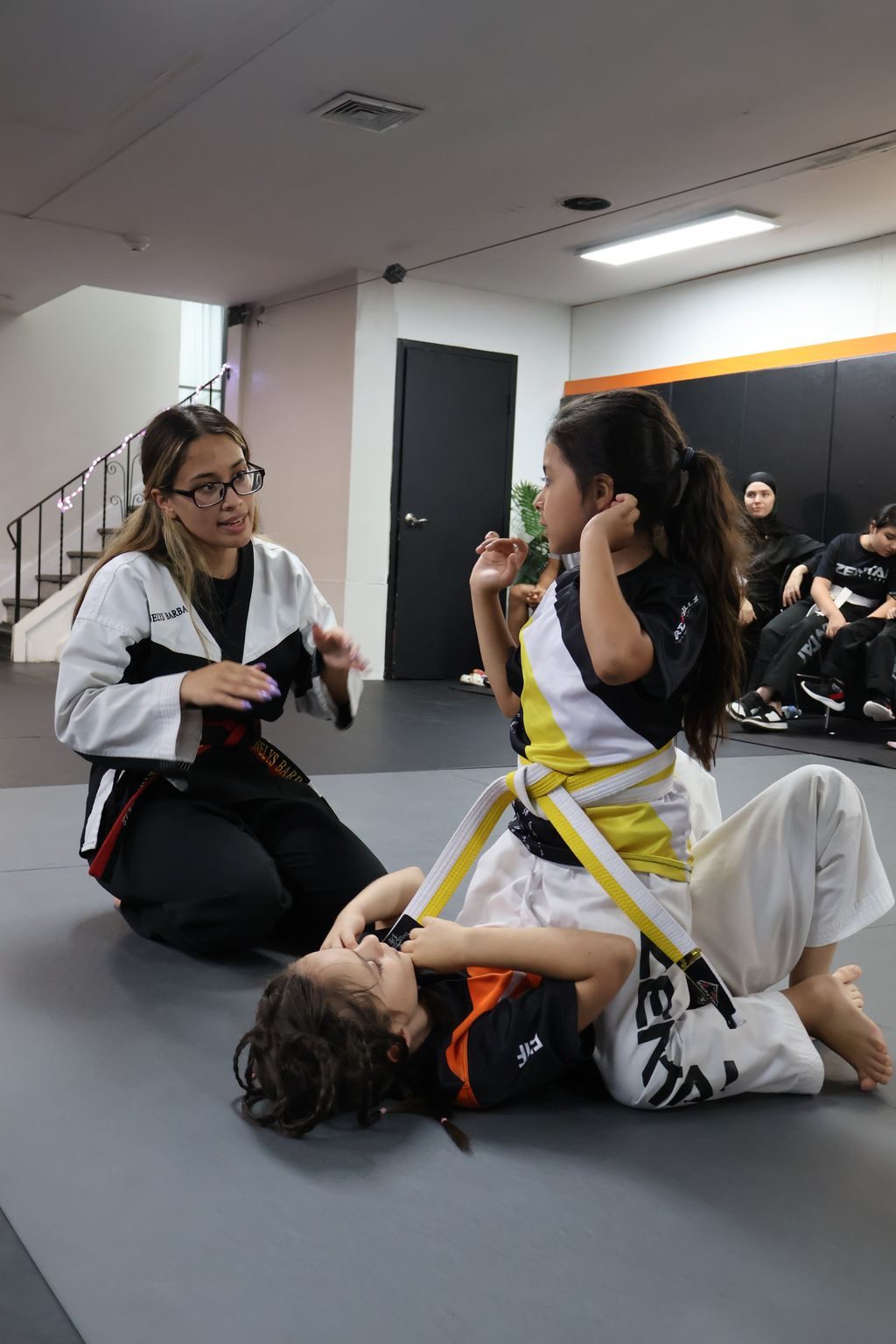
At ZENTAI Martial Arts, we're a leadership development academy that uses martial arts as the vehicle. At our 4 New Jersey locations in Belleville, Clifton, Hackensack, and North Arlington, and our location in the Dominican Republic, every kids class follows the ZENTAI SKILLZ child development curriculum, and it's built around one thing at a time.
- Short, clear sections. Each class moves through warm-up, mat chat, skill drills, and a game. Each part has one job, so kids can give it their full attention.
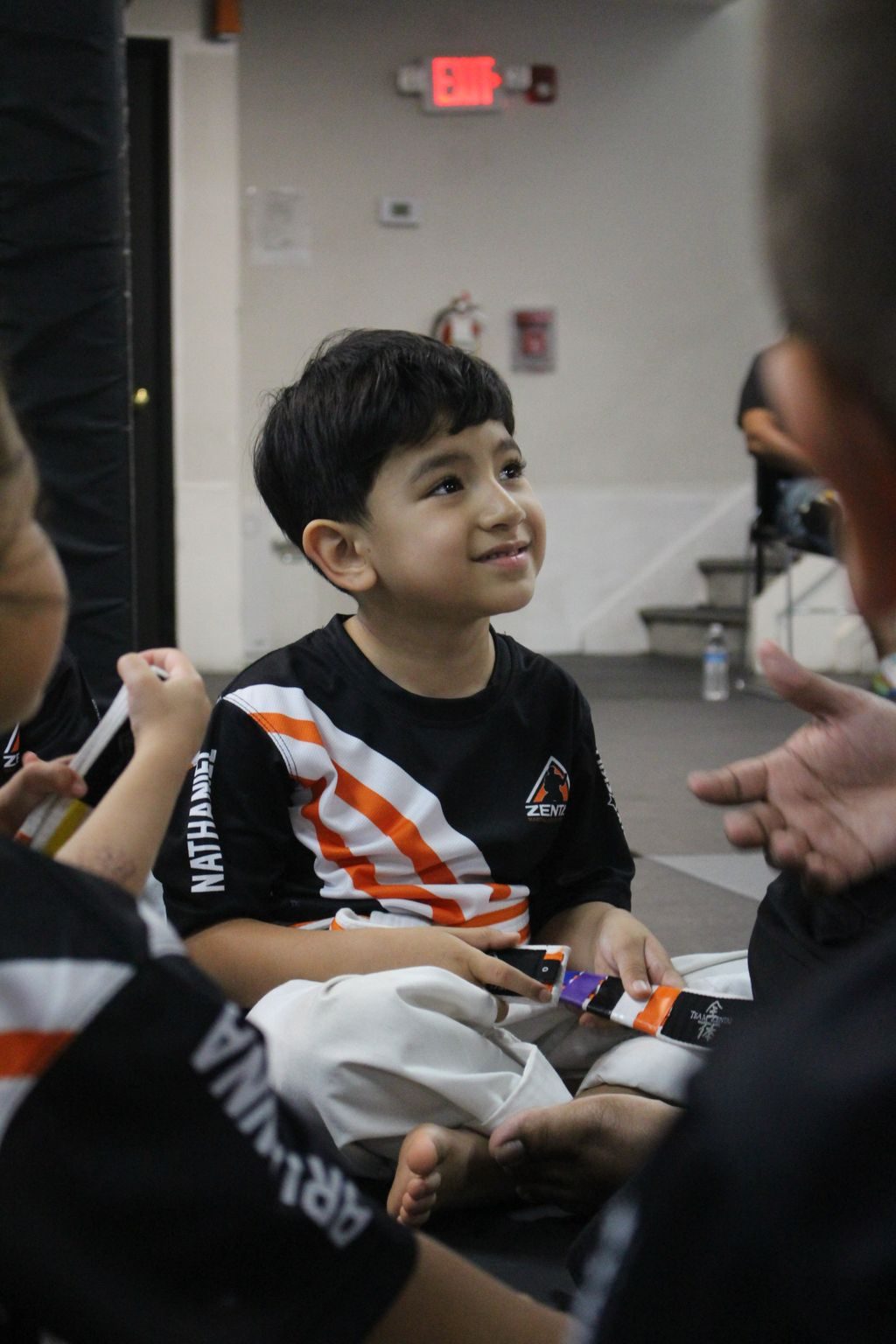
- One skill of the day. Mat chat introduces a single skill, like focus, control, or teamwork, and the drills that follow all practice that one skill.
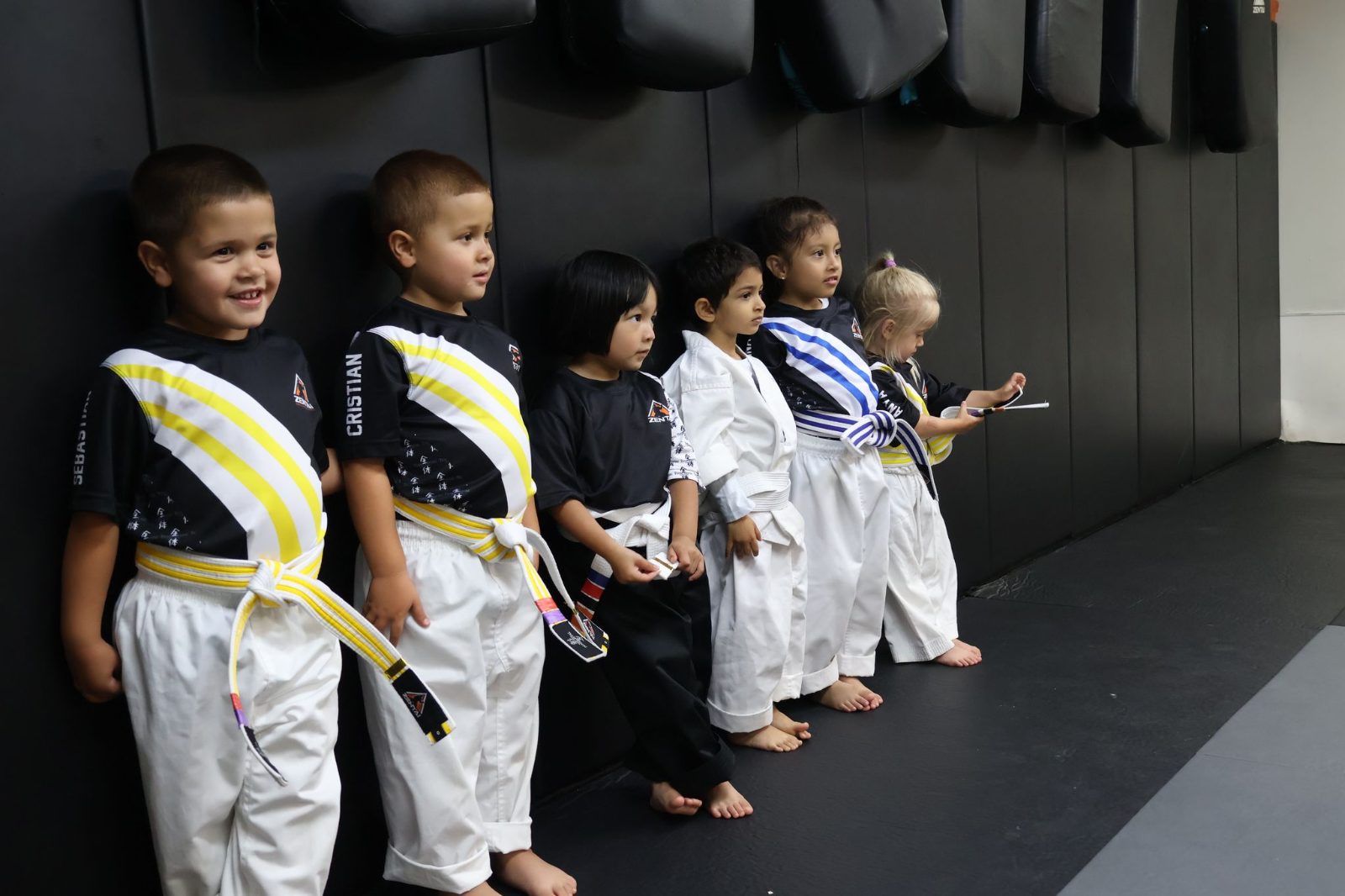
- Focus as a trained skill. Holding a ready stance, keeping eyes on the target, and waiting for the signal are all single-task focus, practiced over and over.
- Positive energy. Game-based learning keeps kids engaged, which makes focus feel good instead of forced.
Our instructors are trained in child development, and they coach both character and technique, so kids grow as people and as martial artists. Our Core Skillz program (ages 7 to 9) focuses on confidence, focus, and teamwork, right at the age when homework starts getting serious.
We share the same tools with parents through Parent SKILLZ, including consistency and prompting. This is more than a martial arts school. It's a village, and we'd love to help your child build focus both on and off the mat.
So the next time your child says, "I'm not good at this," check the table first. Clear it. Give them one thing to do. Then watch how much better they get.
Keep Learning With ZENTAI
- "I Forgot What You Said": How to Build Your Child's Working Memory
- How to Improve Your Child's Attention Span: Make Learning Fun Again
- How Much Screen Time Is Too Much? The Hidden Cost Nobody Warns You About
- Core Skillz
Want More? Read Built to Lead
In my book, Built to Lead: Develop Character, Master Influence, and Find Your Purpose, I share how false identities like "I'm not good at writing" get locked in, and how to rewrite them. It's written for parents to read with their preteens and teens.
Get Built to Lead on Amazon. All net proceeds support Heart of ZENTAI, our nonprofit bringing free martial arts and leadership training to children in the Dominican Republic.
Build Focus That Lasts
We work with kids ages 3 and up, teens, and adults. Visit ZENTAI Martial Arts in Belleville, Clifton, Hackensack, or North Arlington, NJ.
Book your child's first class at zentai.us or call (201) 431-5425. One skill at a time, one class at a time.
We Rise By Lifting Others.
Frequently Asked Questions
Related Programs
Find a ZENTAI Location Near You

About the Author
Grandmaster Allen DePeña is the founder of ZENTAI Martial Arts, a leadership development academy with 4 New Jersey locations (Belleville, Clifton, Hackensack, and North Arlington) and 1 in the Dominican Republic, which he built alongside his wife and co-founder, Naomy. He grew up in the Bronx, trained under Grandmaster Tony Morales, and is the author of Built to Lead: Develop Character, Master Influence, and Find Your Purpose. ZENTAI was named #1 Child Development Center of the Year by Skillz Worldwide and holds a 5.0 Google rating from more than 500 reviews.
More about Grandmaster Allen →