Child Development Center vs. Daycare vs. Sports: What's the Difference?
The Quick Answer
A daycare mainly provides safe care. A youth sport mainly builds one athletic skill set. A child development center is built on purpose to grow a child physically, intellectually, emotionally, and socially, using an age-specific curriculum, learning through play, and staff trained in child development. The best programs also keep parents informed about progress in all four areas.
It's Sunday night. There are three flyers stuck to your fridge.
One is for an after-school program. One is for a soccer league. One is for a martial arts school that calls itself a "child development center."
They all promise your child will have fun. They all cost money. And they all want an answer by Friday.
So how do you choose?
Most parents compare schedules and prices. That's understandable. But the more important question is this: what is this program actually built to develop in my child?
What Is a Child Development Center?
A child development center is a program designed around one goal: helping children grow in every area of development, not just one. It is built on a structured, age-appropriate curriculum. It uses play as a teaching tool. And it's run by people who understand what kids can realistically do at each age.
Child development is usually described in four areas:
- Physical: balance, coordination, strength, and body control.
- Intellectual: focus, memory, listening, and following directions.
- Emotional: handling frustration, managing excitement, and building confidence.
- Social: sharing, taking turns, teamwork, and respect.
A true child development program doesn't hope these things happen by accident. It plans for them, class by class.
How Is a Child Development Center Different From Daycare or Sports?
Let's be fair to everyone here. Good daycares keep kids safe and cared for, and that's a gift to working families. Good youth sports teach teamwork and fitness, and lots of kids love them.
But they're usually built for a different purpose.
- Daycare is primarily about supervision and care. Development may happen, but the day is often not organized around specific developmental goals.
- Youth sports are primarily about the sport. Practice centers on game skills, and kids are often grouped by team, not by developmental stage.
- A child development center is primarily about the child. The activity is the vehicle. The goal is a stronger, smarter, kinder, more confident kid.
That's the difference in one sentence: in a child development center, the activity serves the child. The child doesn't serve the activity.
None of this means you have to pick just one. A child can go to daycare, play soccer, and train martial arts in the same week. The question is whether at least one thing in your child's week is designed, on purpose, to grow the whole child.
The Building That Has to Be Whole
When Naomy and I named our school, we chose ZENTAI because it means "whole" in Japanese. In my book, Built to Lead, I describe the whole self like a building.
Your body is the foundation. Your mind is the framing. Your heart is the blueprint that sets the direction. Your soul is the interior, where you actually live. And your spirit is the purpose the building was designed for.
Take away any one of those, and the building is compromised. You might still be standing, but you're not whole.
That's how I look at any program for kids. A program that only builds the foundation, or only the framing, leaves the rest of the building unfinished. A child development center works on the whole thing.
5 Things to Look for in a Child Development Program
- An age-specific curriculum. A three-year-old and a ten-year-old should not be doing the same class. Ask how groups are divided and what each age works on.
- Learning through play. Kids learn best when they're engaged and having fun. Look for games that have a clear skill behind them, not just games to fill time.
- Staff trained in child development. Ask what training the instructors have and whether it's ongoing. People who know developmental milestones can meet your child where they are.
- Warm, positive relationships. Children learn best when they feel safe. Watch how adults speak to kids, especially when a child is struggling.
- Clear communication with parents. You should hear about progress and areas to work on, in plain language, regularly.
And one more thing. In Built to Lead, I wrote a short section just for parents. I told them to watch how their child changes over months and years. The posture. The eye contact. The way they handle frustration. That's the real curriculum. Whatever program you choose, watch for those changes.
How ZENTAI Works as a Child Development Center
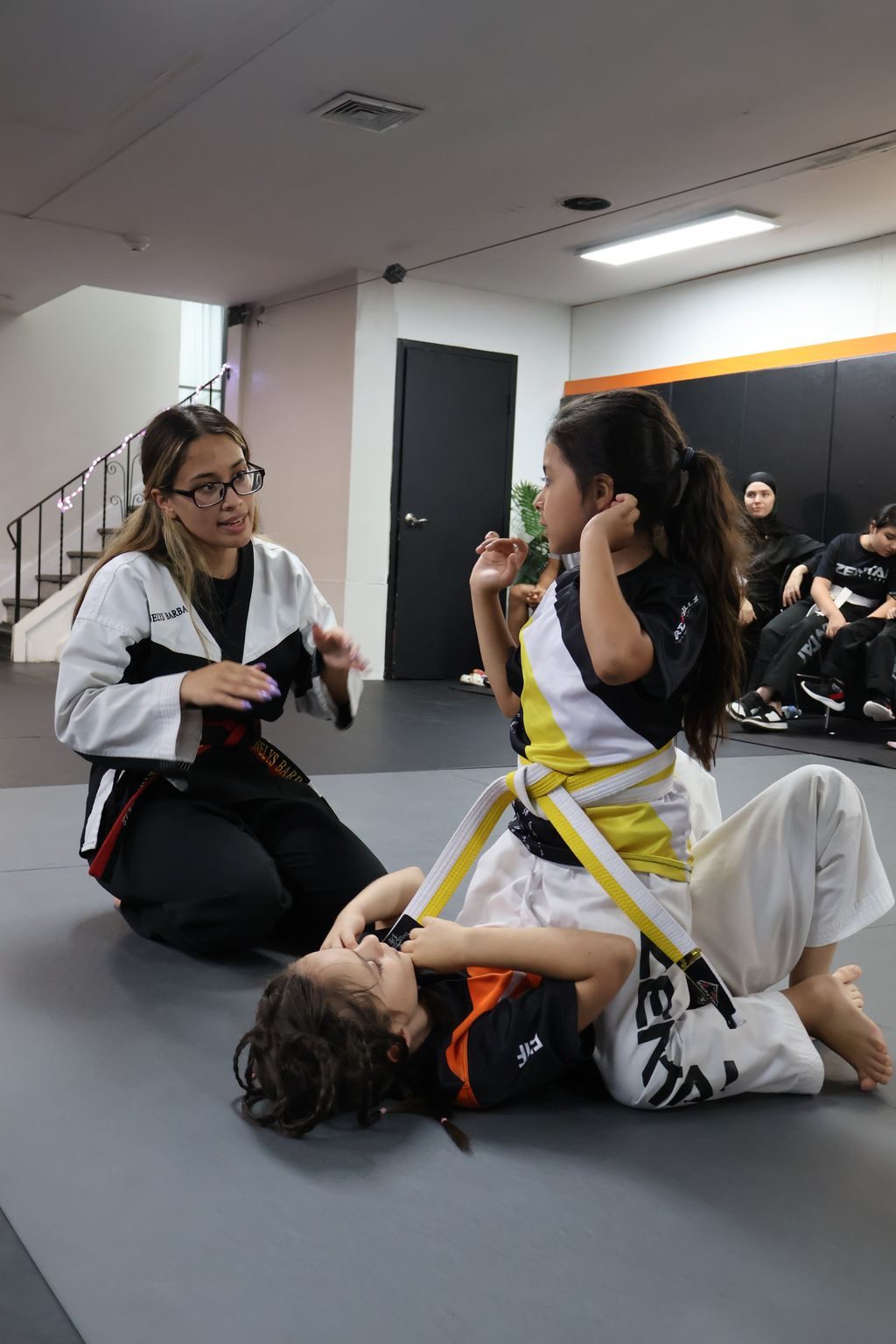
ZENTAI Martial Arts is a leadership development academy that uses martial arts as the vehicle. Every kids class at our schools in Belleville, Clifton, Hackensack, and North Arlington follows the ZENTAI SKILLZ child development curriculum.
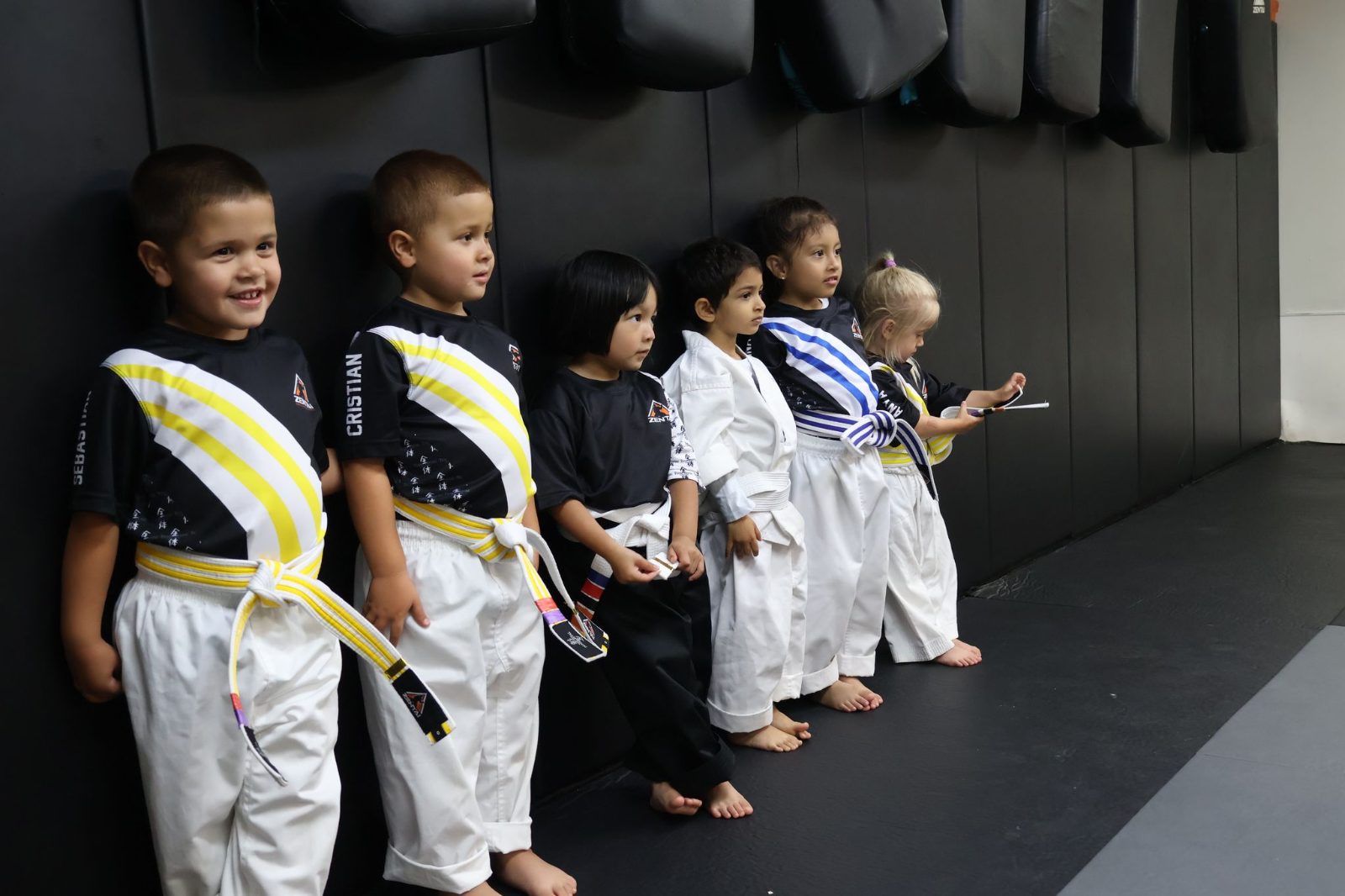
- Age-specific groups: Early Skillz (ages 3 to 4), Basic Skillz (5 to 6), Core Skillz (7 to 9), Extreme Skillz (10 to 14), and Teens (15 to 17), plus classes for adults.
- Game-based drills that turn martial arts techniques into lessons in focus, control, memory, balance, and teamwork.
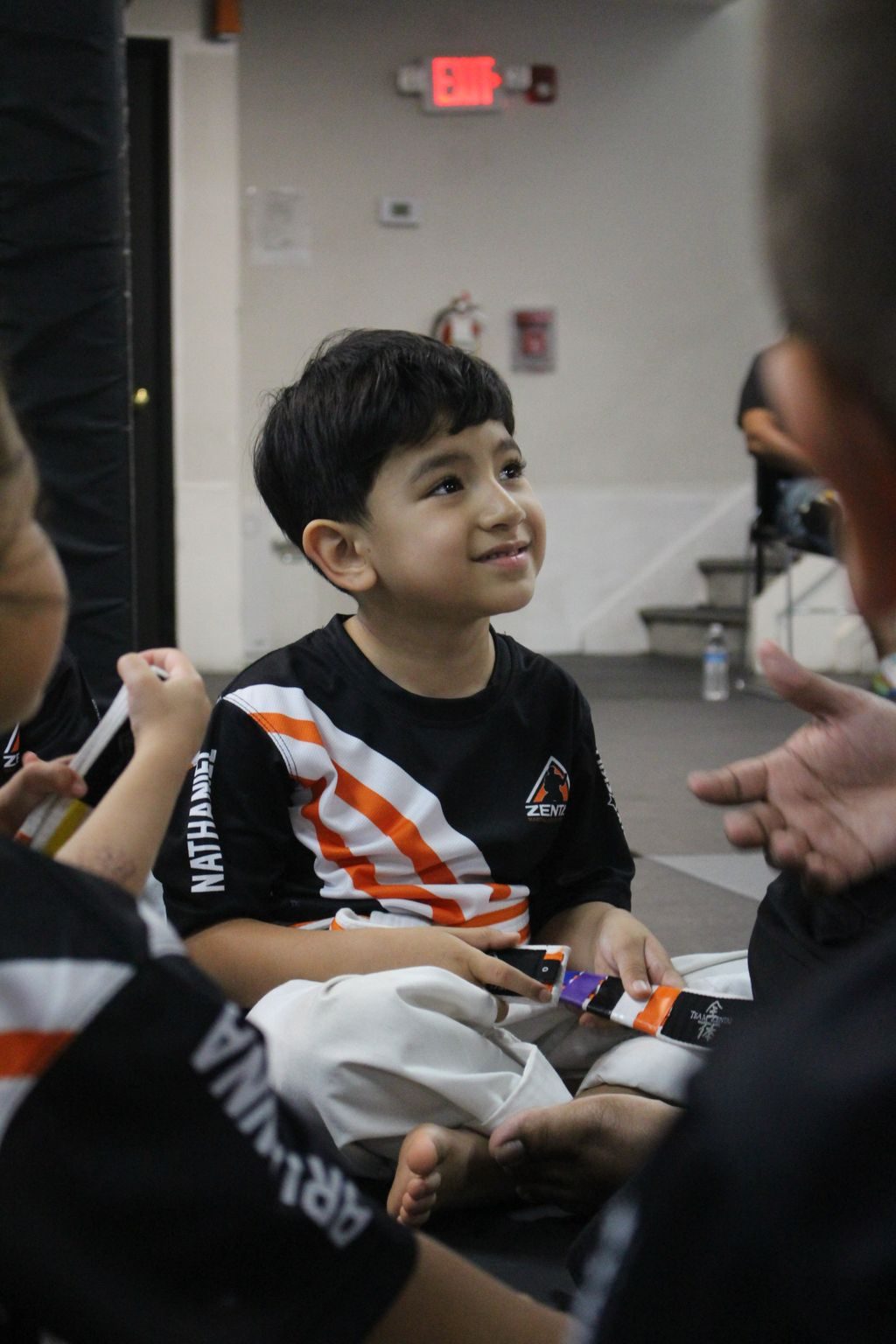
- Skill stripes that give kids visible proof of progress. Students earn them as they attend class and successfully complete technical requirements, and they lead toward the next belt.
- Instructors trained in child development who coach both character and technique, so kids grow as people and as martial artists.
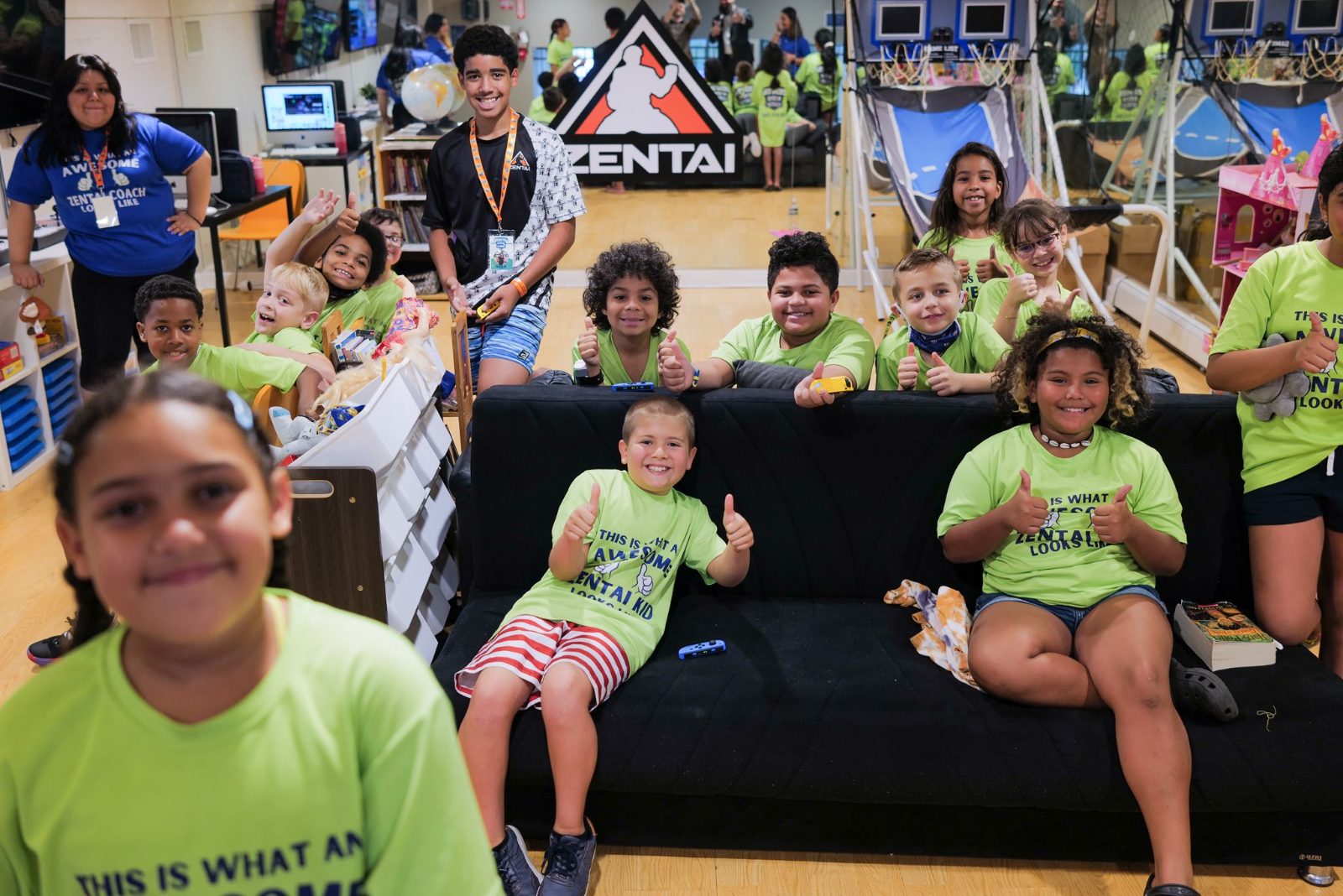
- ZENTAI Kids, our enrichment program for preschools and daycares, which brings the same approach to younger children during their day.
We were honored to be named #1 Child Development Center of the Year by Skillz Worldwide. But the award isn't what we're proudest of. What we're proudest of is the families who tell us their child walks taller, listens better, and treats people with more respect.
This is more than a martial arts school. It's a village. And our ZENTAI family is always ready to welcome one more.
Keep Learning With ZENTAI
- Enrichment Program or Extracurricular Activity? Why the Difference Matters
- Age-Specific Martial Arts Classes: What It Really Means (and Why Most Schools Miss It)
- How to Choose a Martial Arts School for Your Child: Look at the Instructors
Want More? Read Built to Lead
In my book, Built to Lead: Develop Character, Master Influence, and Find Your Purpose, I walk through the five facets of the whole self and how to develop each one. It's written for parents to read with their preteens and teens.
Get Built to Lead on Amazon. All net proceeds support Heart of ZENTAI, our nonprofit bringing free martial arts and leadership training to children in the Dominican Republic.
Visit a ZENTAI Child Development Class
We work with kids 3 and up, teens, and adults at our 4 New Jersey locations in Belleville, Clifton, Hackensack, and North Arlington, plus 1 in the Dominican Republic. Adult classes mean the whole family can train.
Book your child's first class at zentai.us or call (201) 431-5425.
We Rise By Lifting Others.
Frequently Asked Questions
Find a ZENTAI Location Near You

About the Author
Grandmaster Allen DePeña is the founder of ZENTAI Martial Arts, a leadership development academy with 4 New Jersey locations (Belleville, Clifton, Hackensack, and North Arlington) and 1 in the Dominican Republic, which he built alongside his wife and co-founder, Naomy. He grew up in the Bronx, trained under Grandmaster Tony Morales, and is the author of Built to Lead: Develop Character, Master Influence, and Find Your Purpose. ZENTAI was named #1 Child Development Center of the Year by Skillz Worldwide and holds a 5.0 Google rating from more than 500 reviews.
More about Grandmaster Allen →