How to Choose a Martial Arts School for Your Child: Look at the Instructors
The Quick Answer
When choosing a kids martial arts school, look closely at the instructors. Good instructors understand child development, coach both character and technique, adjust to each age, and treat every child with respect, including the ones who struggle. Visit a class, watch how instructors handle mistakes and frustration, ask about their training, and ask how the school handles bullying.
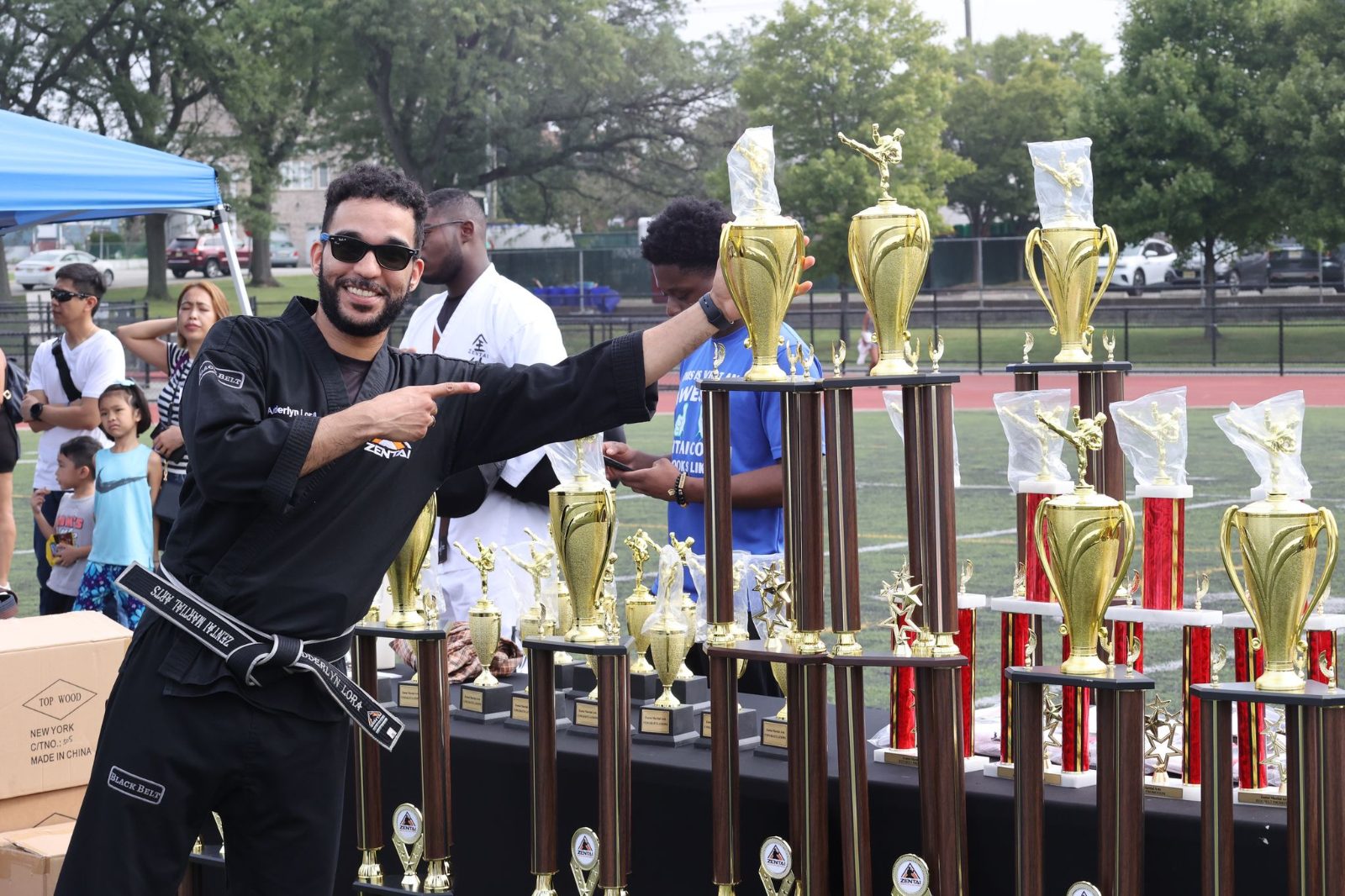
It was black belt testing day. Adults and kids testing together.
There was a thirteen-year-old girl testing who was recovering from a concussion. We had given one of our instructors clear instructions: keep the sparring light, and do not hit her in the head.
He ignored us. He came at her aggressively. She was crying, backing up, trying to escape. When she ducked, he came up with an uppercut and hit her in the face.
Then he stuck his finger in her face and told her it was her fault for ducking.
I removed him from the floor immediately. And when I investigated, I found out other staff members had seen him act this way before and stayed silent because they were afraid of him.
So I fired him. And I fired the entire staff at that location.
I knew it could cost us the location, maybe the business. I did it anyway. We hired an instructor with integrity who truly cared about the students. That location didn't just survive. It grew to twice the size we'd expected.
I tell this story in my book, Built to Lead, because it's the most important thing I can tell a parent choosing a martial arts school: the instructor matters more than anything on the wall.
What Should I Look For in a Kids Martial Arts Instructor?
Skill matters. Your child's instructor should know martial arts well. But for kids, technical skill alone isn't enough. That instructor I fired was charismatic and knew martial arts. What he didn't have was character.
Here's what to look for:
- They understand child development. They know what a four-year-old can do, and what a ten-year-old can do, and they don't expect the same thing from both.
- They coach character and technique. Both, every class, so kids grow as people and as martial artists.
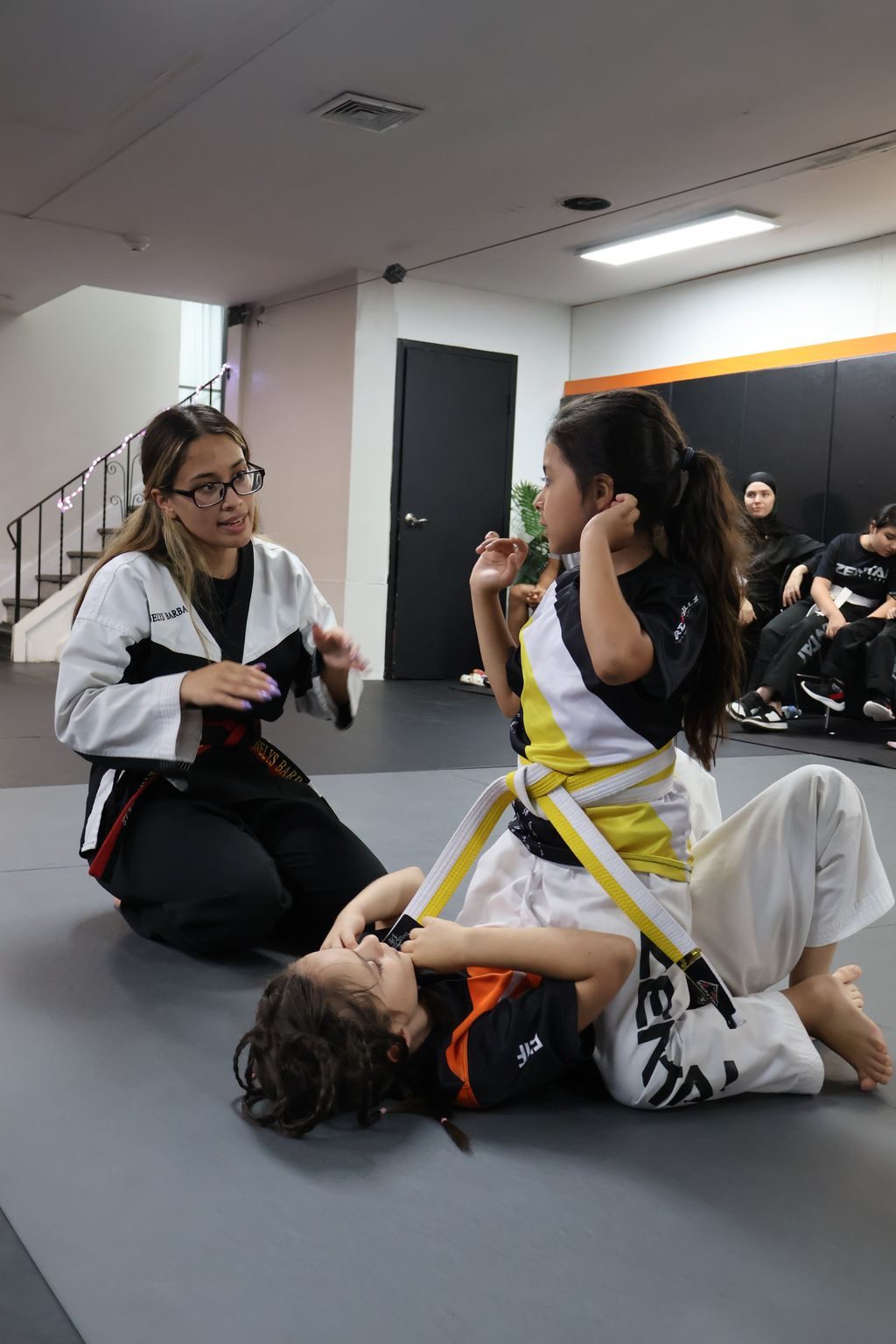
- They get down to the child's level. Literally. Kneeling to eye level with young kids is a good sign.
- They correct without shaming. Mistakes are met with coaching, not sarcasm, yelling, or embarrassment.
- They include every child. Not just the most athletic kids. Watch how they treat the child who's struggling.
- They follow safety instructions. Especially around injuries, sparring, and contact.
Why Child Development Training Matters
When an instructor understands how children grow, everything changes.
They stop reading a five-year-old's wiggles as disrespect. They know a young child might not have the muscle strength yet to hold a technique. They understand that a nervous child needs connection before correction.
That understanding lets them adjust training to each child's ability, create a safe and supportive room, and build life skills like focus, goal setting, and teamwork in a way that actually fits the age.
Without it, even well-meaning instructors can frustrate kids, and kids who are frustrated quit.
Here's a simple test when you visit. Watch what happens when a young child gets something wrong for the third time. Does the instructor get louder? Or do they get curious, break the skill into a smaller step, and try a different way? The second instructor understands kids.
Questions to Ask Before You Enroll
- What training do your instructors have in working with children? Ask whether it's ongoing.
- Are classes grouped by age? A single class for ages 4 to 14 is a red flag for young kids.
- How do you handle a child who's struggling or upset? Listen for patience and a plan.
- What's your policy on bullying? Including instructors. Some instructors hide bullying behind "toughness." A good school has zero tolerance.
- How do you handle injuries and safety during contact drills?
- Can I watch a class? Any school worth choosing will say yes.
- How do you communicate with parents?
Then trust what you see. Watch the faces of the kids in class. Are they engaged? Respected? Having fun? That tells you more than any brochure.
And pay attention to how the staff treat each other and treat you at the front desk. A school's culture shows up everywhere, not just on the mat.
Red Flags to Watch For
- Instructors who yell, belittle, or use fear to control a class.
- A culture that only celebrates the most athletic kids.
- Blaming students for mistakes the instructor made.
- No real answer about bullying policy.
- Pressure to sign up on the spot before you've seen a class.
In Built to Lead, I share that ZENTAI has dismissed students, even black belts, for bullying. No rank is worth more than the safety and dignity of the people in our school.
How ZENTAI Trains Its Instructors
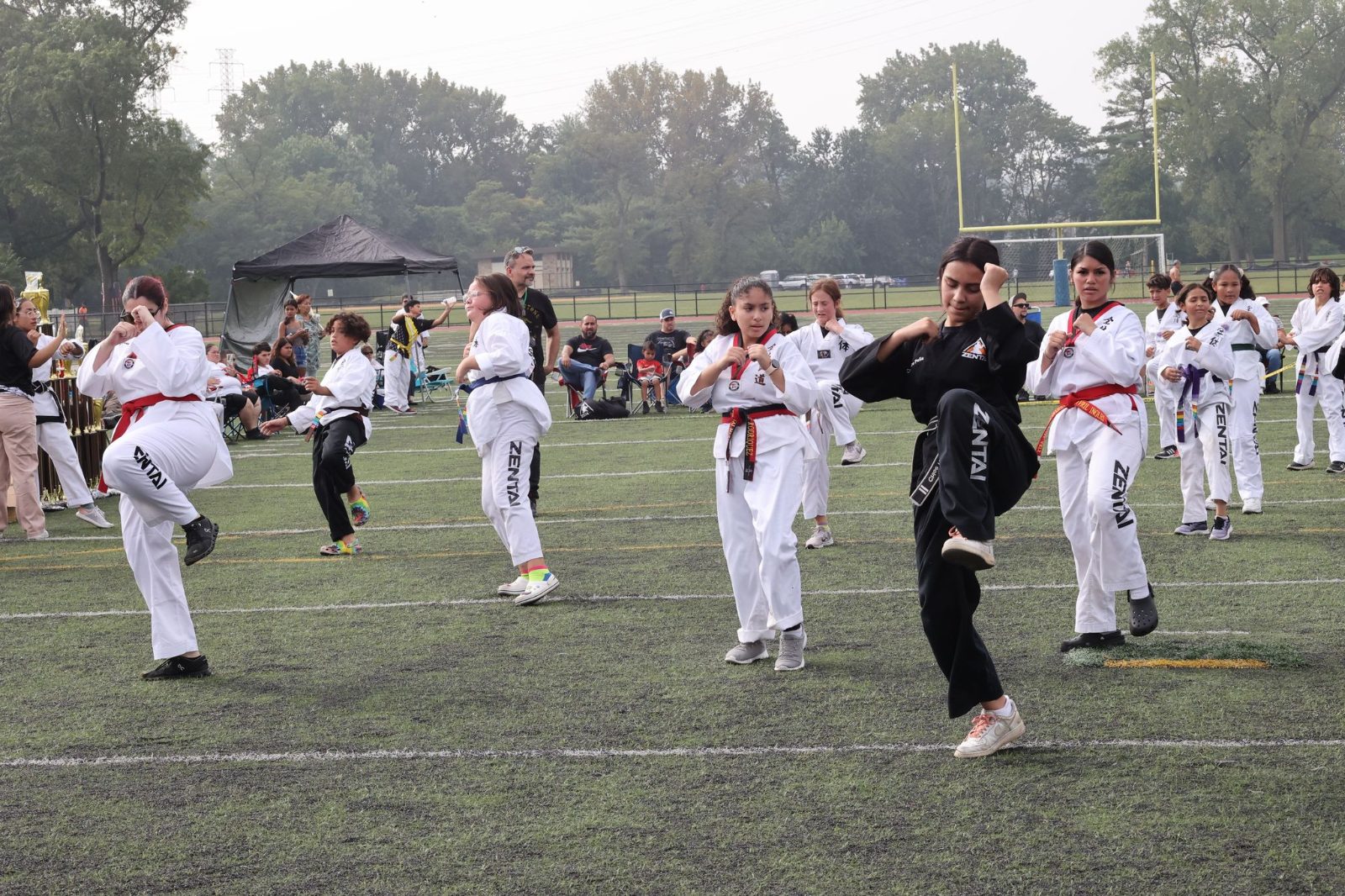
At ZENTAI Martial Arts, we're a leadership development academy that uses martial arts as the vehicle. Our instructors are trained in child development, and they teach the ZENTAI SKILLZ child development curriculum, with classes built for each age: Early Skillz (3 to 4), Basic Skillz (5 to 6), Core Skillz (7 to 9), Extreme Skillz (10 to 14), Teens (15 to 17), and Adults.
Our instructors coach both character and technique, so kids grow as people and as martial artists. And they're held to our Five Core Values: Gratitude, Integrity, Respect, Responsibility, and Growth. Respect is the first thing a student receives when they walk in and the last thing they carry out.
At our schools in Belleville, Clifton, Hackensack, and North Arlington, you're always welcome to watch, ask questions, and meet our team. This is more than a martial arts school. It's a village, and we protect the children in it.
Keep Learning With ZENTAI
- Think Big, Teach BIGGER: How ZENTAI Instructors Make a Deposit in Every Class
- Is It Rude, Is It Mean, or Is It Bullying?
- Age-Specific Martial Arts Classes: What It Really Means (and Why Most Schools Miss It)
- Early Skillz
Want More? Read Built to Lead
In my book, Built to Lead: Develop Character, Master Influence, and Find Your Purpose, I share the full story of the instructor I fired and what it taught me about moral power. It's written for parents to read with their preteens and teens.
Get Built to Lead on Amazon. All net proceeds support Heart of ZENTAI, our nonprofit bringing free martial arts and leadership training to children in the Dominican Republic.
Come Meet Our Instructors
ZENTAI serves kids 3 and up, teens, and adults at our locations in Belleville, Clifton, Hackensack, and North Arlington, NJ. Adult classes are available too.
Book your child's first class at zentai.us or call (201) 431-5425. Watch, ask questions, and see for yourself.
We Rise By Lifting Others.
Frequently Asked Questions
Related Programs
Find a ZENTAI Location Near You
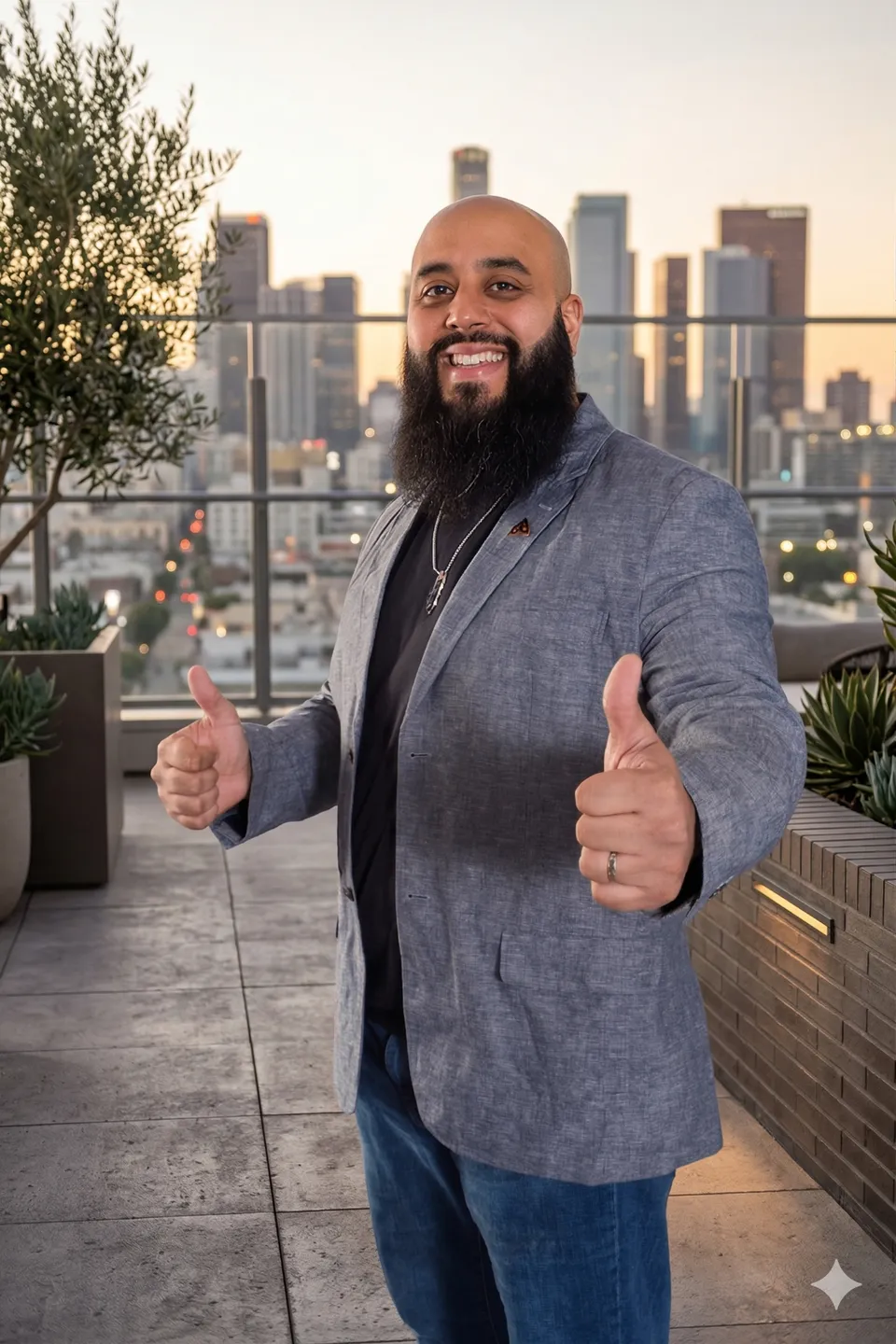
About the Author
Grandmaster Allen DePeña is the founder of ZENTAI Martial Arts, a leadership development academy with 4 New Jersey locations (Belleville, Clifton, Hackensack, and North Arlington) and 1 in the Dominican Republic, which he built alongside his wife and co-founder, Naomy. He grew up in the Bronx, trained under Grandmaster Tony Morales, and is the author of Built to Lead: Develop Character, Master Influence, and Find Your Purpose. ZENTAI was named #1 Child Development Center of the Year by Skillz Worldwide and holds a 5.0 Google rating from more than 500 reviews.
More about Grandmaster Allen →