Is Your Child Real World Ready? Life Skills Every Kid Needs
The Quick Answer
A real-world-ready child can handle everyday tasks, communicate their needs, solve small problems, and own their mistakes. Build these skills gradually by age: self-care and simple chores for little ones, managing belongings and time for school-age kids, and money, cooking, and communication skills for teens. Teach, practice together, then step back as they grow.
I was on a flight from California to New York when a good friend texted me. He asked if I could give him a quick call. I wrote back, "I'm on a plane. I'll call you when I land."
When I got home to New Jersey, I walked into chaos. It was negative fifteen degrees outside and our pipes had frozen. No water. The heat couldn't keep up. I jumped into problem-solving mode, calling plumbers and making sure my family was okay.
And I completely forgot to call my friend back.
About a week later we finally talked, and he told me something I needed to hear. "You said you'd call me back, and you didn't. When you do that, some people may lose trust in you."
My first instinct was to defend myself. The pipes! The water! The heat! But I stopped. He was right. I said I would do something, and I didn't. So I owned it.
I share that story in my book, Built to Lead, because it's a reminder that even adults are still learning real-world skills. Keeping your word. Owning a mistake without excuses. Solving problems under pressure.
Our kids won't learn those things by accident. We have to give them the chance to practice.
What Does It Mean to Be Real World Ready?
Being real world ready doesn't mean your child can survive alone in the woods. It means they can handle the normal demands of life, a little more each year.
- Taking care of themselves: dressing, hygiene, eating, sleep.
- Taking care of their things: packing a bag, keeping track of belongings, cleaning up.
- Communicating: asking for help, saying how they feel, speaking to adults respectfully.
- Solving problems: trying a solution before asking someone else to fix it.
- Owning mistakes: saying "That was me. Here's what I'll do next time."
Author and pediatrician Dr. Mel Levine wrote about young adults who reach their twenties without these skills and struggle to handle work and life on their own. His book, "Ready or Not, Here Life Comes," is a good reminder that independence is learned over many years, not switched on at eighteen.
Why Do So Many Kids Struggle With Life Skills?
It's not because parents don't care. Usually, it's the opposite.
Life is busy. It's faster to tie their shoes than to wait while they try. It's easier to do the laundry than to teach it. And many working parents feel guilty about how little time they have, so doing things for their kids feels like a way to show love.
That love is real. But when kids never face everyday challenges, they miss the chance to build confidence and resourcefulness. The better way to show love is to teach the skill, do it together, and then let them take over.
And here's a bonus: teaching a life skill side by side is some of the best connection time you'll ever have with your child.
Life Skills for Kids by Age
Every child develops at their own pace, so use this as a starting point, not a test.
- Ages 3 to 4: put toys away, dress with a little help, wash hands, carry their own small bag, say please and thank you.
- Ages 5 to 6: make simple choices, get dressed alone, set the table, feed a pet, start learning to tie shoes, say how they feel with words.
- Ages 7 to 9: pack their school bag, make a simple snack, keep their room tidy, help with laundry, call a family member on the phone.
- Ages 10 to 14: manage homework time, do their own laundry, cook a basic meal, handle a small amount of money, own their mistakes without blaming.
- Ages 15 to 17: make appointments, budget, cook several meals, manage a schedule, apply for a first job, and keep their commitments.
The pattern at every age is the same: teach it, practice it together, let them try with you nearby, then step back.
Owning Mistakes Is a Life Skill Too
One skill that doesn't show up on most chore charts is integrity. In Built to Lead, I describe it as being willing to own it when you fall short. Not being perfect. Being honest.
When your child breaks something, forgets something, or lets someone down, resist the urge to make the excuse for them. Instead, help them say three things: "That was me. I'm sorry. Here's what I'll do next time."
A child who can do that at ten is going to be an employee people trust at twenty-five, and a leader people follow at forty.
How ZENTAI Prepares Kids for the Real World
At ZENTAI Martial Arts, we are a leadership development academy that uses martial arts as the vehicle. Our kids classes follow the ZENTAI SKILLZ child development curriculum, with programs matched to each stage of development, from Early Skillz (ages 3 to 4) and Basic Skillz (5 to 6) up to Extreme Skillz (10 to 14) and Teens (15 to 17). We also have adult classes.
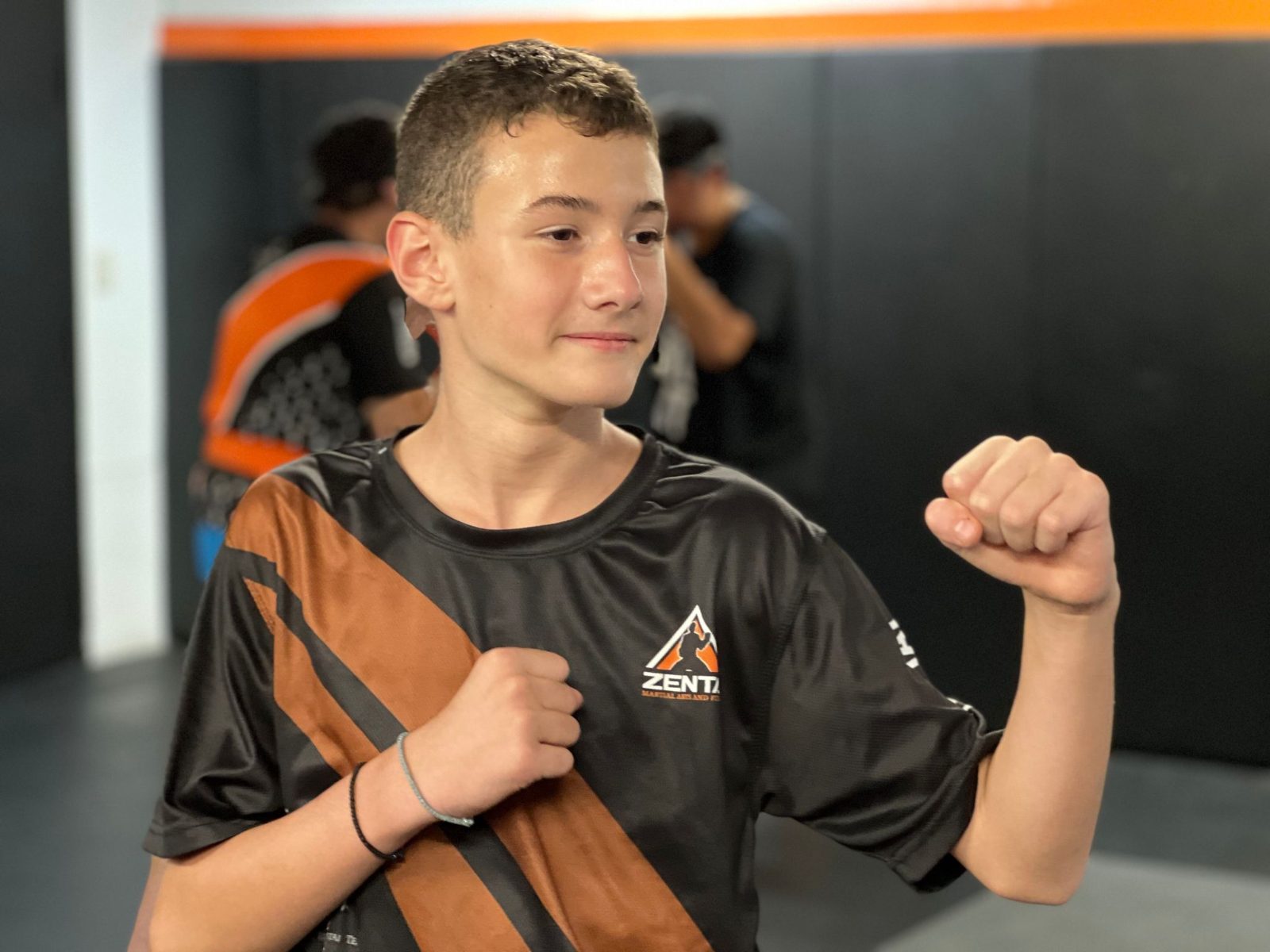
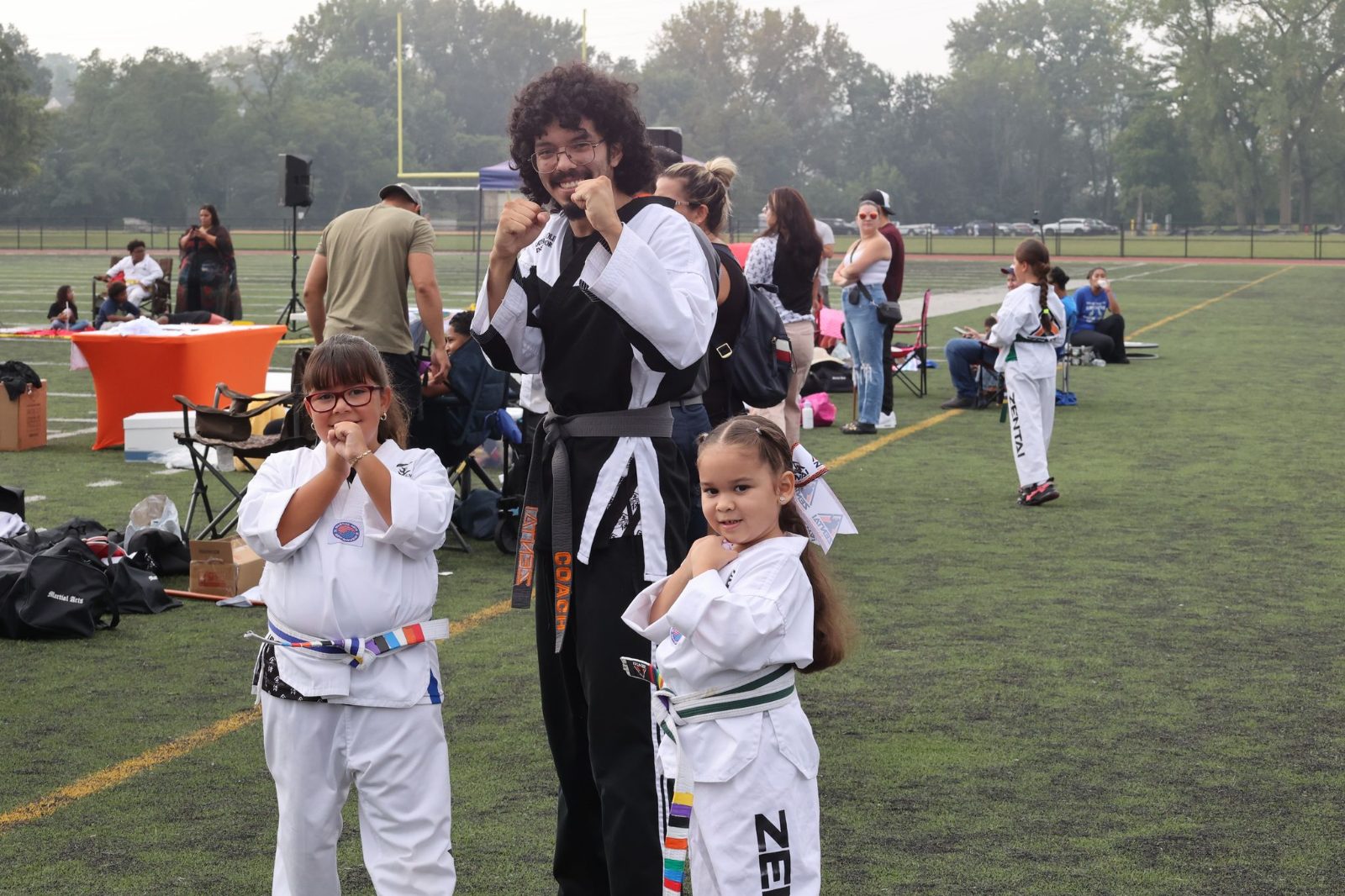
Our instructors coach both character and technique, so kids grow as people and as martial artists. They use Teaching SKILLZ techniques like choices and intrinsic motivation so kids get real practice making decisions, and they help kids get back on track when something doesn't go as planned.
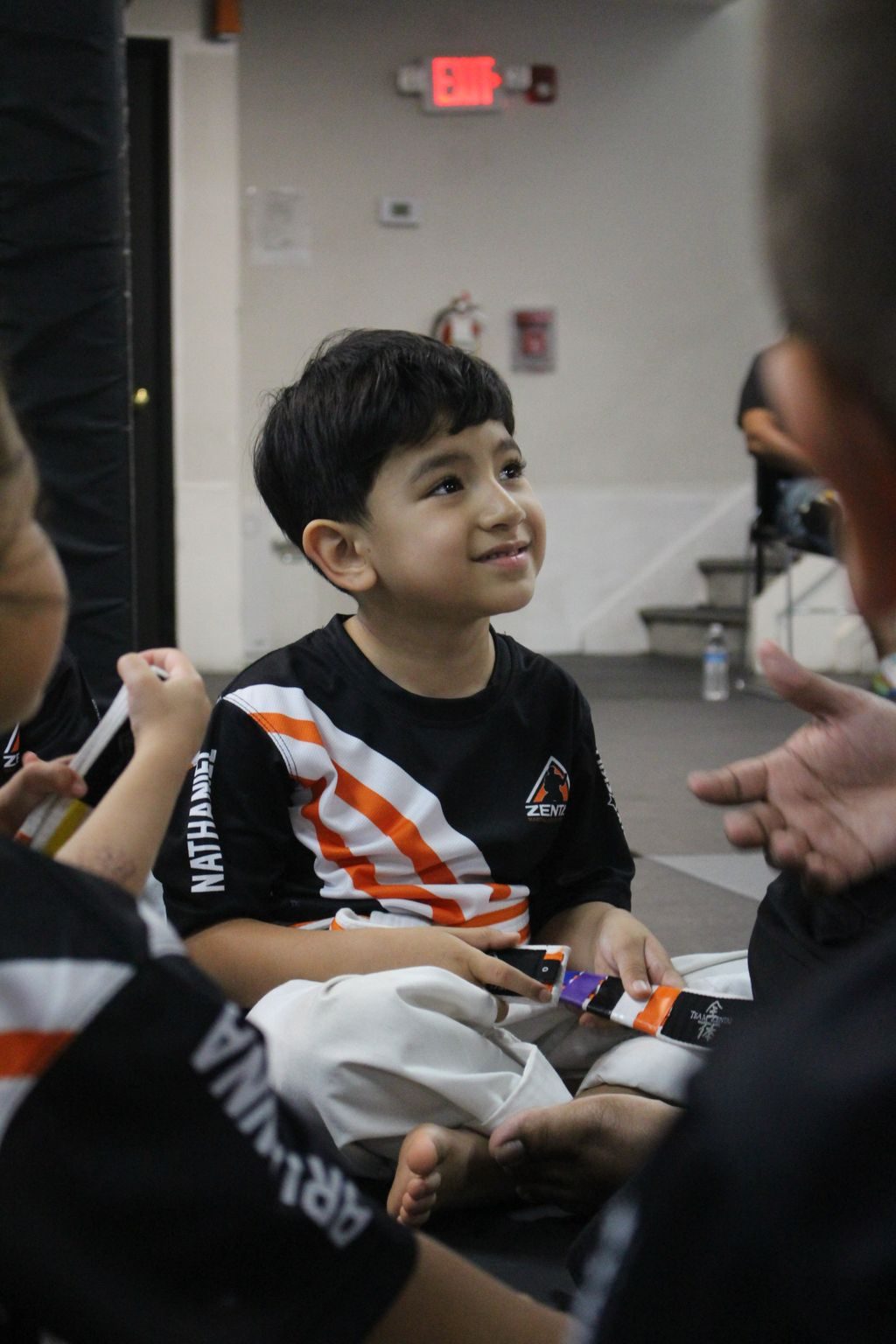
Kids in the ZENTAI SKILLZ program learn to take care of their uniform and gear, greet adults with eye contact, and speak up in front of a group. Students can also grow into our Leadership Academy, ZENTAI's student leadership program, where student leaders learn while supporting classes. And through Parent SKILLZ, we give parents tools to build these life skills at home too.
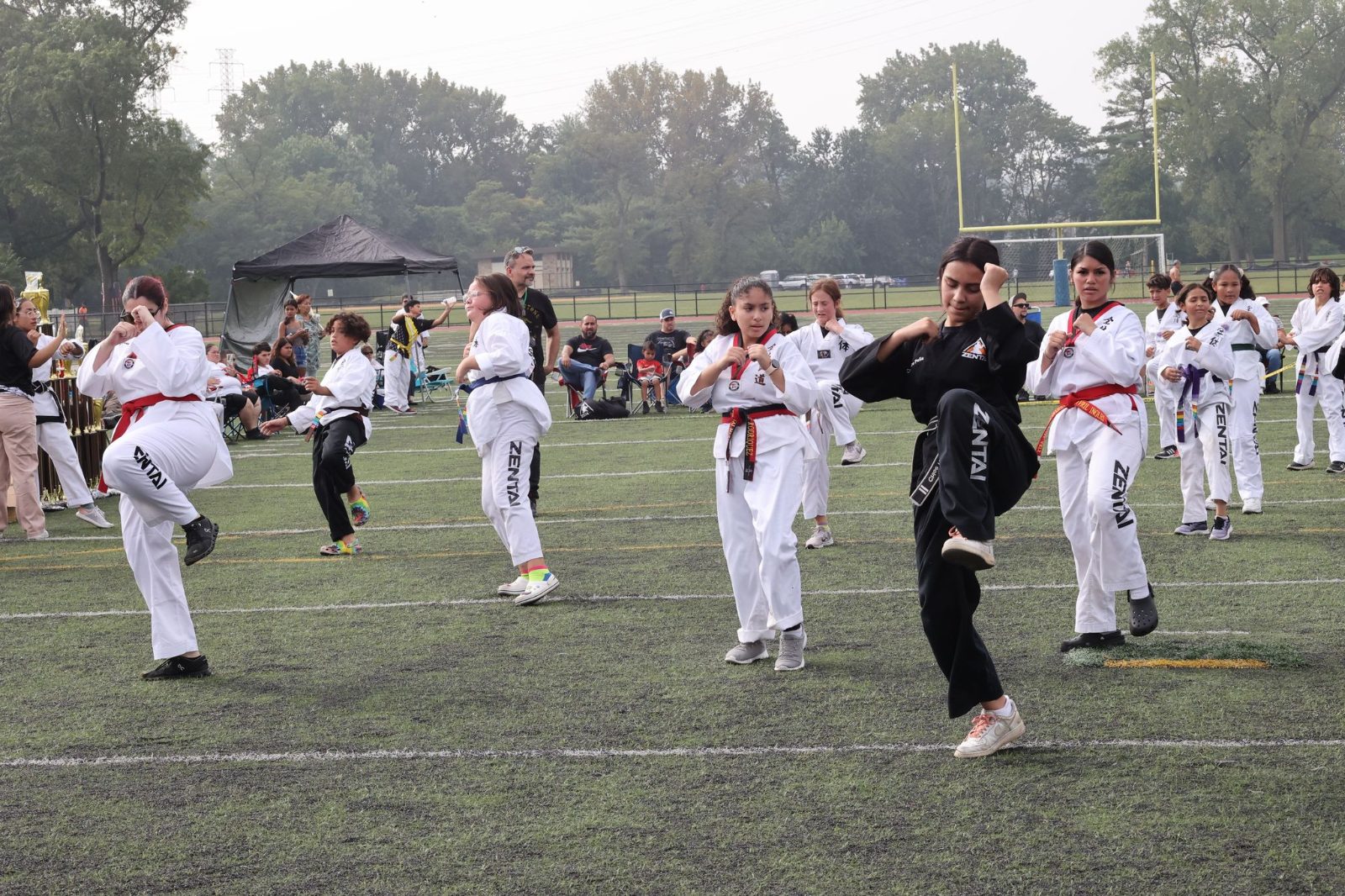
This is more than a martial arts school. It's a village. At our 4 New Jersey locations in Belleville, Clifton, Hackensack, and North Arlington, and our location in the Dominican Republic, we're preparing kids for life, not just for their next belt.
Keep Learning With ZENTAI
- Empowering vs. Enabling: The Fine Line of Parenting
- Nurturing Independence: How to Help a Clingy Child Feel Brave
- Teens Need Structure Too: Why Boundaries Are a Gift to Your Teenager
- Teens
Want More? Read Built to Lead
In my book, Built to Lead: Develop Character, Master Influence, and Find Your Purpose, I share how integrity, responsibility, and leadership are built one small decision at a time. It's written for parents to read with their preteens and teens.
Get Built to Lead on Amazon. All net proceeds support Heart of ZENTAI, our nonprofit bringing free martial arts and leadership training to children in the Dominican Republic.
Get Your Child Real World Ready
We work with kids ages 3 and up, teens, and adults. Visit us in Belleville, Clifton, Hackensack, or North Arlington, NJ.
Book your child's first class at zentai.us or call (201) 431-5425. Life skills start on the mat.
We Rise By Lifting Others.
Frequently Asked Questions
Find a ZENTAI Location Near You

About the Author
Grandmaster Allen DePeña is the founder of ZENTAI Martial Arts, a leadership development academy with 4 New Jersey locations (Belleville, Clifton, Hackensack, and North Arlington) and 1 in the Dominican Republic, which he built alongside his wife and co-founder, Naomy. He grew up in the Bronx, trained under Grandmaster Tony Morales, and is the author of Built to Lead: Develop Character, Master Influence, and Find Your Purpose. ZENTAI was named #1 Child Development Center of the Year by Skillz Worldwide and holds a 5.0 Google rating from more than 500 reviews.
More about Grandmaster Allen →